If you’ve ever wondered how a synth shop can shape an entire country’s club culture, Optoproductions just handed you the blueprint. In this episode, we get a backstage pass to MIDI Amsterdam, the gearhead haven that’s been fuelling Dutch electronic music for over three decades. Expect tales of sleepless nights, classic machines, and the kind of community you only find when you mix obsession with a bit of Dutch stubbornness. Tim Niewenhuis, the shop’s founder, spills the beans on surviving tech revolutions, helping lost producers, and why personal touch still trumps online mega-marts. This isn’t just a shop – it’s a sonic street weapon.
28. March 2026
SPARKY
Optoproductions Digs Deep: MIDI Amsterdam’s 30-Year Rave Bunker Legacy
Akai S1000, Alesis MMT-8, Apple (early models), Atari (early computers), Bitwig, Nord Lead, Roland MC series
Three Decades of Dutch Dancefloor DNA
MIDI Amsterdam isn’t just a shop – it’s a cornerstone of the Dutch electronic scene, and Optoproductions wastes no time making that clear. Founded back in the mid-90s, this place has seen the rise and fall of genres, gear, and probably a few questionable haircuts. The video kicks off with Tim Niewenhuis explaining how he ditched the straight-laced recording world for something a bit more wild: helping producers actually connect their piles of hardware and make music that slaps.
The early vision wasn’t about just shifting boxes – it was about education and building a community. Tim knew the local legends, but most had no clue how to wire up their shiny new toys. MIDI Amsterdam became the go-to rave bunker for anyone needing to bridge the gap between hardware, computers, and the chaos in between. If you wanted to make your studio talk, this was the place to be.
From Akai to Apple: Surviving the Tech Tornado
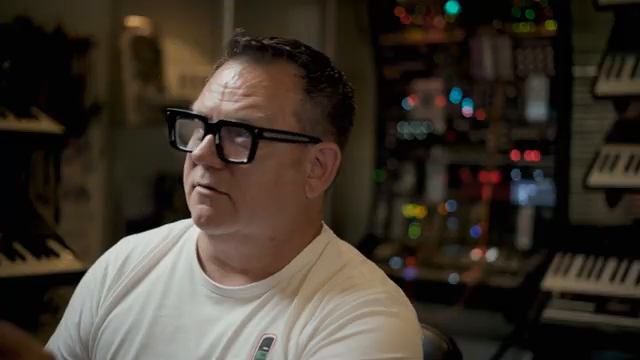
Tim’s journey is a crash course in music tech evolution. He started out hustling Akai samplers and Nord Leads, then watched the whole scene flip as computers muscled in. Remember when an Apple cost 25,000 guilders? Tim does – and he paid it. The shop’s focus shifted from hardware sequencers and tape to Ataris, Cubase, and eventually the VST invasion.
Optoproductions highlights how MIDI Amsterdam didn’t just keep up – they led the charge, helping producers survive the whiplash of new tech. Whether it was syncing boxes or wrangling audio cards, the shop became a lifeline for anyone lost in the digital jungle. And just when you thought everyone was staying in the box, hardware started creeping back in. The cycle never ends, and MIDI Amsterdam rides every wave.
"That was a big evolution from then till now."
© Screenshot/Quote: Optoproductions (YouTube)
No YouTube, No Sleep: The Early Struggle
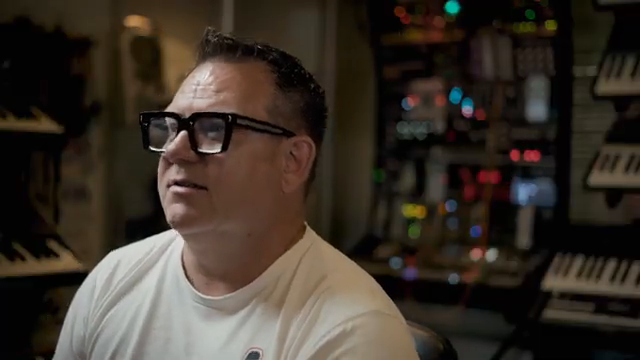
"So the biggest challenge was investing a lot of time and there were only 24 hours in a day."
© Screenshot/Quote: Optoproductions (YouTube)
If you think starting a synth shop is all knob-twiddling and glory, think again. The early days were brutal: no YouTube tutorials, barely any internet, and only a couple of magazines to spread the word. Tim describes working from eight in the morning until two at night, just to keep up with the endless stream of new gear and knowledge.
Optoproductions doesn’t sugarcoat it – this was a grind. The shop had to be a school, a lab, and a community hub all at once. Advertising meant hustling in print, and every bit of expertise had to be earned the hard way. If you wanted to know how to sync your TB-303, you had to ask someone who’d actually done it – and that someone was probably at MIDI Amsterdam.
Synths, Stories, and Street-Level Connections
What really sets MIDI Amsterdam apart isn’t just the gear – it’s the people. Tim’s anecdotes are pure gold: from launching labels to give local talent a shot, to keeping things discreet when big names like Junkie XL drop by. This isn’t a place for star-spotting selfies – it’s about real connections and mutual respect.
Optoproductions captures how the shop’s community vibe creates lifelong bonds. Customers come back after years, and Tim still remembers their names and music. The personal touch is everything here – sometimes he’d rather sell nothing than push the wrong bit of kit. If you want to see how a synth shop becomes a second home, you’ll have to watch the video for the full flavour.
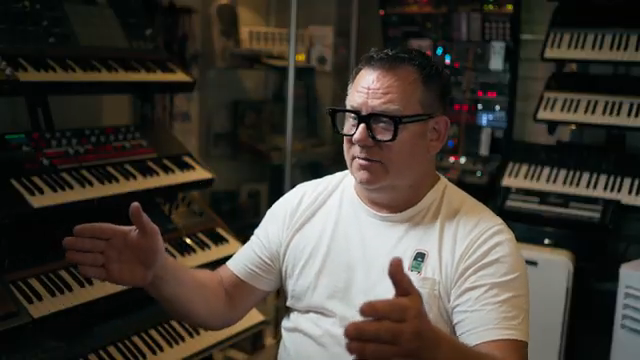
"Most likely, if you want to meet those guys, you have to walk in here."
© Screenshot/Quote: Optoproductions (YouTube)
Hybrid Hustle: MIDI Amsterdam’s Modern Mojo
The video wraps up by showing how MIDI Amsterdam keeps its edge in a world of endless plugins and online mega-stores. Tim’s a self-confessed hybrid guy – certified in Bitwig, deep into modular, and always chasing those happy accidents that make music-making magic. He’s not trying to know everything; he’s focused on what he does best, and that’s helping people connect the dots between hardware and software.
Optoproductions makes it clear: this shop is still a boutique powerhouse, not a faceless gear warehouse. The personal attention, the education, and the hands-on advice are what keep people coming back. And if you want to know what really makes MIDI Amsterdam tick, you’ll have to drop by yourself – or at least hit play and soak up the vibe.
This article is also available in German. Read it here: https://synthmagazin.at/optoproductions-taucht-ab-30-jahre-midi-amsterdam-das-rave-bunker-erbe/
Watch on YouTube:
Latest articles
Watch on YouTube:
Visit the channel:
https://www.youtube.com/optoproductions
https://www.youtube.com/optoproductions
Links from optoproductions:
Instagram: https://instagram.com/optoproductions
Website: https://optoproductions.com
Sponsored links:
If you purchase via these links, we may earn a small commission – at no extra cost to you. The link opens an Amazon keyword search, and results may vary depending on availability.
Akai S1000
🔗 Check price on Amazon
🔗 Check price on Amazon
Alesis MMT-8
🔗 Check price on Amazon
🔗 Check price on Amazon
Apple (early models)
🔗 Check price on Amazon
🔗 Check price on Amazon
Atari (early computers)
🔗 Check price on Amazon
🔗 Check price on Amazon
Bitwig
🔗 Check price on Amazon
🔗 Check price on Amazon
Nord Lead
🔗 Check price on Amazon
🔗 Check price on Amazon
Roland MC series
🔗 Check price on Amazon
🔗 Check price on Amazon