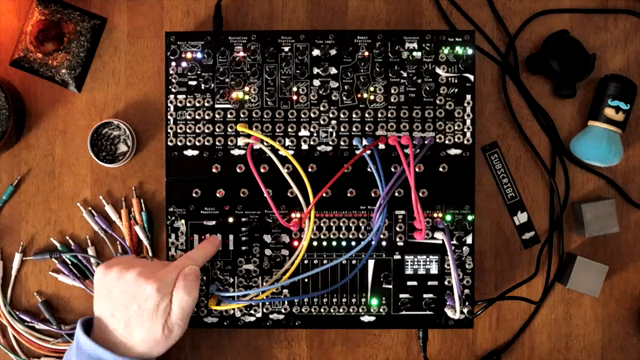
Noise Engineering returns with the Multi Repetitor, a four-channel rhythm and accent sequencer that’s equal parts performance tool and creative playground. Building on the legacy of their Numeric and Zularic Repetitor modules, this latest offering fuses familiar rhythm banks with Euclidean-derived patterns, per-channel modifiers, and a wealth of hands-on control. The official video walks us through the module’s controls, demonstrates its patching potential, and highlights features designed for live tweaking and evolving grooves. For those who crave dynamic, modular rhythms with a twist, Multi Repetitor looks set to become a new staple in the Eurorack ecosystem.
23. January 2026
MILES
Noise Engineering’s Multi Repetitor: Rhythmic Evolution in Four Channels
A New Chapter in Rhythmic Sequencing
Noise Engineering introduces the Multi Repetitor as the next step in their lineage of rhythm sequencers, promising a blend of classic inspiration and new algorithmic twists. The video opens with a nod to the Numeric and Zularic Repetitor modules, making it clear that Multi Repetitor is more than just a rehash—it’s a thoughtful evolution designed for hands-on play.
From the outset, the focus is on immediacy and performance. With four trigger and four accent outputs, the module is clearly aimed at those who want to shape rhythms in real time, whether in the studio or on stage. The interface is laid out for quick access, inviting users to dive straight into patching and tweaking without menu-diving or second-guessing their next move.
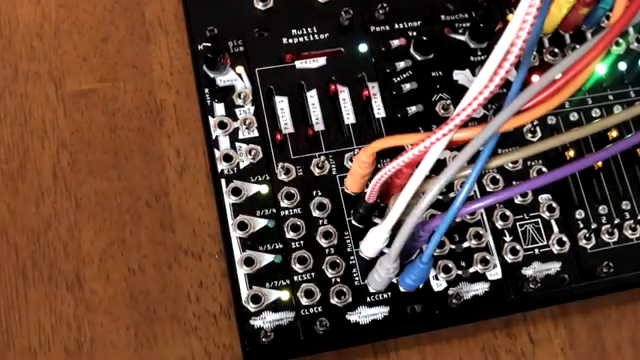
"With four trigger outputs and four accent outputs, Multi-Repetitor is built for performance patching, live tweaking, and rhythmic exploration."
© Screenshot/Quote: Noiseengineering (YouTube)
Four Channels, Familiar Banks, and Euclidean Surprises
"You can also use CV to go between the three modes using the set input."
© Screenshot/Quote: Noiseengineering (YouTube)
Multi Repetitor’s architecture centres on four independent channels, each offering both a trigger and an accent output. This setup encourages complex layering and interlocking patterns, perfect for modular percussion or polyrhythmic experiments. The accent system is not an afterthought—it’s integral to the module’s design, enabling dynamic grooves that can evolve with every tweak.
The rhythm banks draw from Noise Engineering’s earlier modules, but with the addition of Euclidean-derived patterns, the creative palette is noticeably expanded. Users can switch between Numeric, Zularic, and Euclidean modes, either manually or via CV, opening up a spectrum of rhythmic possibilities from traditional to algorithmic. The result is a module that feels equally at home generating classic grooves or more unpredictable, generative sequences.
Prime Faders, Factor Modifiers, and Accent Alchemy
The control scheme is where Multi Repetitor really comes alive. The prime fader sets the foundational rhythm for the module, and it’s CV-controllable for external modulation. This means you can morph your base pattern on the fly, ideal for live sets or evolving studio patches.
Each channel features a factor fader, which modifies its rhythm according to the selected mode. In offset mode, the rhythm is shifted within the measure; in multiply mode, the prime rhythm is multiplied by the factor value; and in select mode, the fader picks a new rhythm altogether. This trio of options gives patchers a toolkit for everything from subtle variations to dramatic rhythmic shifts.
Accents are handled with equal flexibility. Each channel’s accent switch can disable accents, derive them from the next channel’s trigger, or pull from the previous channel’s trigger. The result is a network of interdependent rhythms, where accents respond to the interplay between channels, yielding dynamic and sometimes surprising results. This approach encourages experimentation and rewards those willing to push their patterns beyond the obvious.
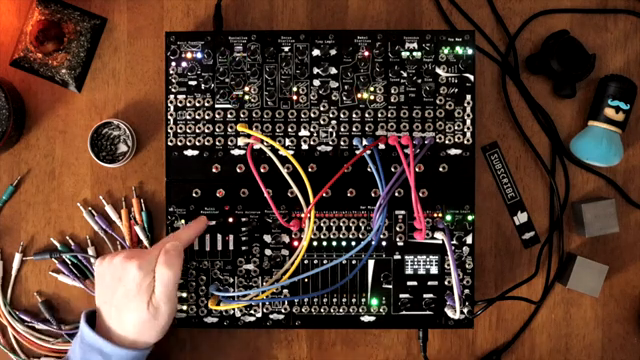
"Accents are computed on the beat and respond to how rhythms interact across channels, creating dynamic and sometimes unexpected results."
© Screenshot/Quote: Noiseengineering (YouTube)
Patchwork: Rhythmic Exploration in Action
The video shifts gears to showcase Multi Repetitor in a series of real-world patches, often paired with other Noise Engineering modules. The hands-on demonstrations highlight how quickly one can move between rhythm banks, layer accents, and inject CV for evolving patterns. The module’s design encourages exploration, with each tweak revealing new rhythmic relationships and textures.
Whether using the Set and Accent switches in tandem or modulating the Factor and Prime faders with CV, the Multi Repetitor proves itself as a flexible centrepiece for complex modular grooves. The examples make it clear that this isn’t just a static pattern generator—it’s a living, breathing sequencer that responds to every nudge, perfect for those who like their rhythms to surprise them as much as their audience.
Flip the Script: Inverted Orientation for Performance Flexibility
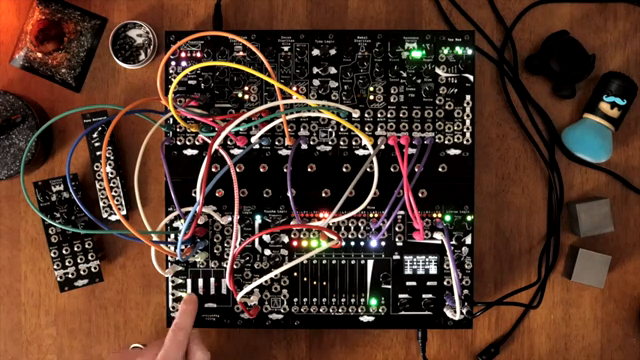
"As you can see, multi-repetitor supports inverted orientation for faders down setups."
© Screenshot/Quote: Noiseengineering (YouTube)
Noise Engineering rounds out the feature set with a nod to live performers: Multi Repetitor supports inverted fader orientation, allowing for faders-down setups. This is a thoughtful addition for those who prefer their modules flipped in the rack or need to accommodate unusual case layouts. The process is straightforward—hold the tap/reset button during power-up, and the module confirms the new orientation with a colour-coded LED. It’s a small but significant detail that underscores the module’s adaptability for real-world rigs.
This article is also available in German. Read it here: https://synthmagazin.at/noise-engineering-multi-repetitor-rhythmische-evolution-auf-vier-kanaelen/
Watch on YouTube:
Latest articles
Watch on YouTube:
Visit the channel:
https://www.youtube.com/NoiseEngineering
https://www.youtube.com/NoiseEngineering
Links from NoiseEngineering:
website: https://noiseengineering.us
instagram: https://instagram.com/noiseeng
twitter: https://x.com/noiseeng
facebook: https://facebook.com/noiseeng
reason: https://bit.ly/noiseeng-reason
Sponsored links:
If you purchase via these links, we may earn a small commission – at no extra cost to you. The link opens an Amazon keyword search, and results may vary depending on availability.
Multi Repetitor
🔗 Check price on Amazon
🔗 Check price on Amazon