Sick of endless headphone debates that go nowhere? Lodewijk Vos (LØ) slices through the noise with a ruthless, practical look at what actually matters for producers. Forget audiophile waffle and price tag flexing—this video is all about which cans survive the studio grind, travel abuse, and late-night mix sessions. Expect honest takes, a few sacred cows slaughtered, and a focus on the $150–$300 sweet spot. If you want to know which headphones slap and which ones are just plastic landfill, this is your pit stop before you drop cash.
14. May 2026
SPARKY
Lodewijk Vos Destroys the Headphone Hype: Real-World Studio Cans Reviewed
Audio-Technica ATH-M50x, Beyerdynamic DT990 Pro, HiFiMAN Sundara, OneOdio Studio Max 2
Cutting Through the Headphone Hype
LØ doesn’t waste time with audiophile fairy tales—he dives straight into the real-world chaos of picking headphones as a producer. The video opens with a punch: the endless debate about open-back, closed-back, and planar cans is mostly hot air unless you know what you’re actually hunting for. Instead of drooling over £2,000 monsters, he sets his sights on the $200 zone, where the gear is tough, affordable, and—crucially—replaceable if you leave it on a plane.
This is a producer’s perspective, not a hi-fi snob’s. LØ’s approach is all about what works in the trenches: headphones that survive travel, late-night sessions, and the occasional existential crisis in a hotel room. If you want to know what actually matters for music production, not just what looks shiny on a forum, you’re in the right rave bunker.
Studio Cans Face-Off: Four Contenders Enter
The main event is a brutal, hands-on comparison between four headphones: Audio-Technica ATH-M50x, Beyerdynamic DT990 Pro, OneOdio Studio Max 2, and HiFiMAN Sundara. LØ doesn’t sugarcoat—he calls the M50x a workhorse that “technically sucks” but still gets the job done if you know its quirks. It’s tough, universal, and you can replace it anywhere from Chiang Mai to your local corner shop. The DT990 Pro gets props for comfort but loses points for its fixed cable and suitcase-busting size—plus, the highs are apparently sharp enough to cut glass.
Then comes the curveball: OneOdio Studio Max 2. LØ admits he’d never heard of them, but their low-latency wireless feature and smart jack design make them a surprise contender. They’re comfortable, flexible, and sound better than the price tag suggests. The HiFiMAN Sundara, meanwhile, is the dark horse—planar, open-back, and delivering a level of detail that leaves the others gasping for air. Each pair gets its moment in the sonic street fight, with strengths and weaknesses exposed for all to see.
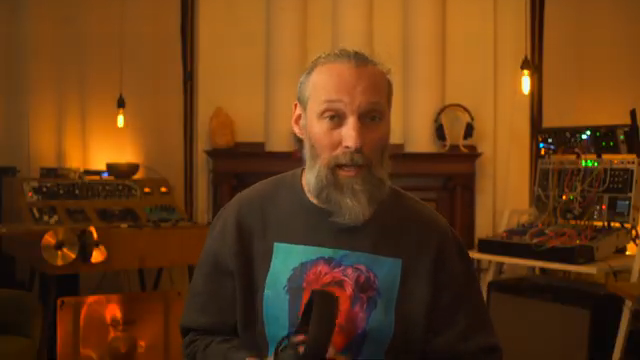
"To be honest, I really, really like them, although they technically suck."
© Screenshot/Quote: Lodewijkvos (YouTube)
Open-Back, Closed-Back, and Planar: The Real Differences

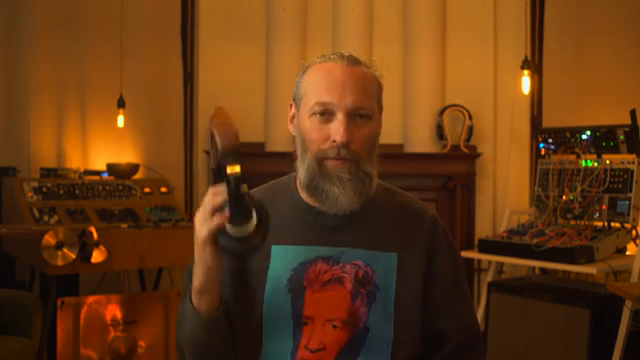
"These are not, by definition, the nicest headphones to listen to. But for critical listening, if you're mixing, these guys absolutely rock."
© Screenshot/Quote: Lodewijkvos (YouTube)
LØ breaks down the open-back versus closed-back war with zero fluff. Open-back cans like the DT990 Pro and Sundara are mixing kings—great for detail, but everyone around you will hear your dodgy basslines. Closed-back options, like the M50x and Studio Max 2, are more versatile for recording and travel, even if they sound a bit boxy. If you can afford both, do it; if not, closed-back is the safer bet for most producers on the move.
Planar headphones get their own moment in the spotlight. The Sundara’s ribbon tech means lightning-fast transients and brutal honesty—perfect for critical listening, not so much for casual Spotify binging. LØ’s take: planars are a revelation for mixing, especially when you need to hear every click, pop, and accidental snare hit. But don’t expect them to flatter your ego or your tracks—they’re here to expose everything.
Wireless and Low-Latency: Studio Freedom or Just Hype?
Wireless cans usually mean lag and heartbreak, but the OneOdio Studio Max 2 shakes things up with a claimed nine-millisecond latency. LØ puts them through their paces, from modular noodling to recording sessions, and finds the freedom genuinely useful—no more cable spaghetti or tripping over your own gear. The wireless setup isn’t perfect: there’s a bit of noise, some phasing, and a fiddly power-on routine that needs a firmware miracle, but for tracking and general studio chaos, it’s a game-changer.
Battery quirks aside, the Studio Max 2 delivers enough punch to make it a legit all-rounder. LØ’s verdict: the sound takes a slight hit in wireless mode, but it’s more than good enough for most tasks, and you can always plug in for critical work. If you want to roam your studio like a caffeinated ferret, these cans might just be your new best mate.
"The low latency is incredibly nice."
© Screenshot/Quote: Lodewijkvos (YouTube)
Which Headphones Actually Slap? The Final Verdict
LØ wraps up with the only advice that matters: headphones are tools, not trophies. There’s no single best pair—just the right one for your situation. For travel and daily grind, the M50x is the indestructible cockroach of the headphone world. Need an all-rounder with wireless swagger? The Studio Max 2 is the surprise MVP. For pure mixing power, the Sundara is the one to beat—planar detail at a price that doesn’t require selling your kidneys.
The real magic is in knowing your gear and how it translates. LØ’s recommendations are brutally honest, and if you want to hear the difference for yourself, you’ll need to watch the video—no article can replicate the sound of a Sundara revealing your mix sins at 2am. In the end, it’s about finding the right street weapon for your workflow and sticking with it until it feels like an extension of your skull.
This article is also available in German. Read it here: https://synthmagazin.at/lodewijk-vos-zerlegt-den-kopfhoerer-mythos-studio-kopfhoerer-im-echten-haertetest/
More articles about these products:
Watch on YouTube:
Latest articles
Watch on YouTube:
Visit the channel:
https://www.youtube.com/lodewijkvos
https://www.youtube.com/lodewijkvos
Links from lodewijkvos:
website: https://lodewijkvos.com
facebook: https://www.facebook.com/lodewijkv
instagram: https://www.instagram.com/lodewijkv/
Sponsored links:
If you purchase via these links, we may earn a small commission – at no extra cost to you. The link opens an Amazon keyword search, and results may vary depending on availability.
Audio-Technica ATH-M50x
🔗 Check price on Amazon
🔗 Check price on Amazon
Beyerdynamic DT990 Pro
🔗 Check price on Amazon
🔗 Check price on Amazon
HiFiMAN Sundara
🔗 Check price on Amazon
🔗 Check price on Amazon
OneOdio Studio Max 2
🔗 Check price on Amazon
🔗 Check price on Amazon