Frap Tools, the Italian maestros of modular sophistication, take us on a deep dive into their Magnolia polysynth—this time, with a mission: conjuring up the classic FM piano sound, but in full-blooded analogue. In this video, Giovanni Grandi walks through every step, from oscillator tuning to expressive modulation, showing how Magnolia’s architecture can mimic and even surpass digital FM icons in tactile, voltage-driven ways. Expect a patcher’s-eye view of modulation routing, velocity tricks, and a smattering of effects, all delivered with Frap’s signature attention to sonic detail. For anyone who’s ever wondered how far you can push analogue FM, this is a must-watch.
15. April 2026
MILES
Frap Tools Magnolia: Analogue FM Piano Synthesis Demystified
Magnolia: Analogue Ambitions and Sound Design Playground
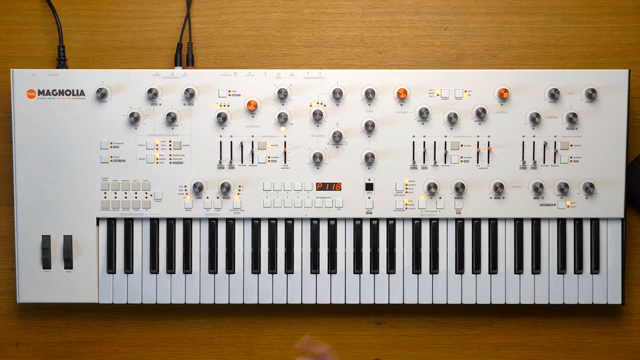
Frap Tools opens the proceedings by positioning Magnolia as a versatile analogue synthesizer, purpose-built for those who crave hands-on sound design. The video wastes no time in establishing Magnolia’s credentials, immediately diving into the process of patch initialization and oscillator setup. There’s a clear sense that this isn’t just about recreating presets, but about understanding and sculpting sound from the ground up—a philosophy that runs deep in Frap Tools’ design ethos.
The focus here is on the tactile, voltage-driven workflow that defines Magnolia. Rather than relying on digital menus or hidden parameters, every modulation and adjustment is made with physical controls, inviting the user to experiment and fine-tune. This approach is especially evident as the patcher dials in oscillator frequencies and explores the nuances of FM interaction, setting the stage for a genuinely expressive synthesis journey.
Building the Cheesy FM Piano: Step by Step
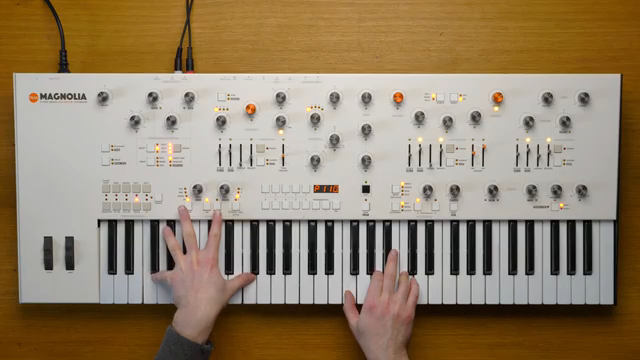
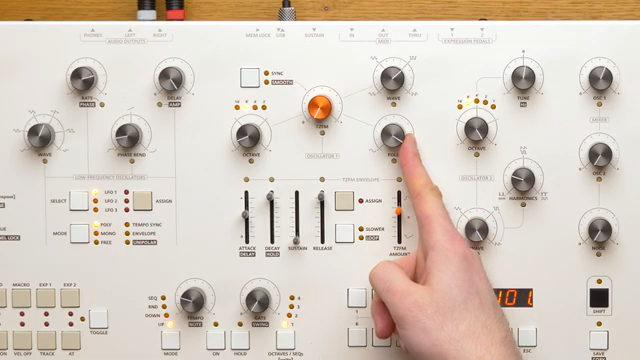
The heart of the video is a methodical, patch-by-patch walkthrough of crafting an FM piano sound—famously associated with digital synths like the DX-7, but here realised with Magnolia’s all-analogue circuitry. The process begins with setting up oscillator 2 as a modulator for oscillator 1, carefully tuning it to achieve the characteristic bell-like timbre. The presenter demonstrates how adjusting the FM envelope and fine-tuning the modulator’s pitch can dramatically shift the sound’s harmonic content, making it possible to dial in everything from subtle chimes to brash, metallic attacks.
A key insight is the use of envelope shaping—decay-heavy, with little to no attack or sustain—to mimic the percussive nature of a piano. The workflow is refreshingly direct: parameters are tweaked in real time, and the results are immediately audible, reinforcing the value of hands-on control. Throughout, there’s an emphasis on personal taste and iterative refinement, with the patcher encouraging experimentation to find the sweet spot for each parameter.
As the sound takes shape, the video highlights the importance of modulation sources in adding expressiveness. The patch is gradually enhanced with velocity sensitivity and key tracking, setting the stage for a more dynamic and responsive instrument. The overall message is clear: Magnolia’s architecture rewards those who are willing to dig in and sculpt their own sonic landscapes, rather than settling for off-the-shelf presets.
Expressive Modulation: Keytracking, Velocity, and Tuning Nuance
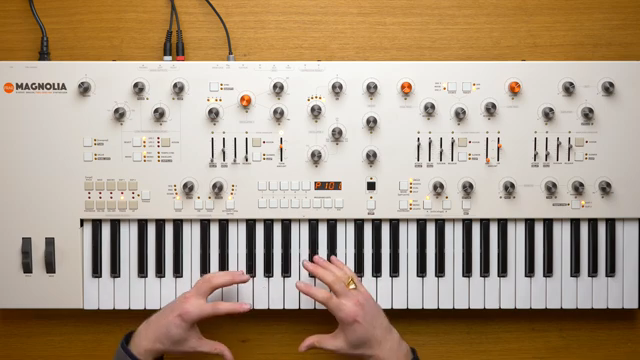
With the basic FM piano structure in place, the video shifts focus to the finer points of expressiveness. Keytracking is cleverly used to modulate the FM amount, mimicking the behaviour of digital FM synths where the modulation index increases with pitch. This ensures that higher notes retain their brightness and punch, while lower notes remain rich and full—a subtle but crucial detail for authentic FM piano emulation.
Velocity routing is also brought into play, allowing the timbre and amplitude to respond dynamically to playing strength. The patcher demonstrates how adjusting velocity modulation can introduce nuanced dynamics, making the sound more lifelike and playable. Fine-tuning, both in terms of oscillator pitch and modulation depth, is shown as an essential step for achieving a convincing and musically satisfying result.
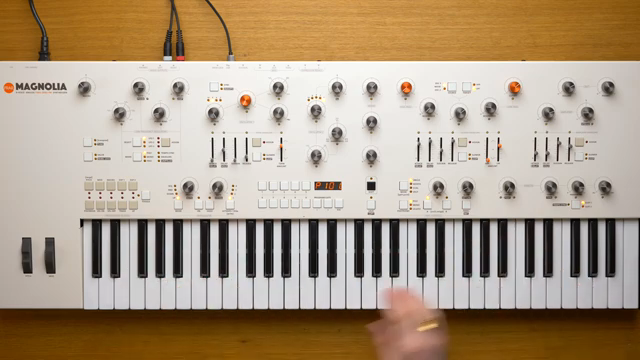
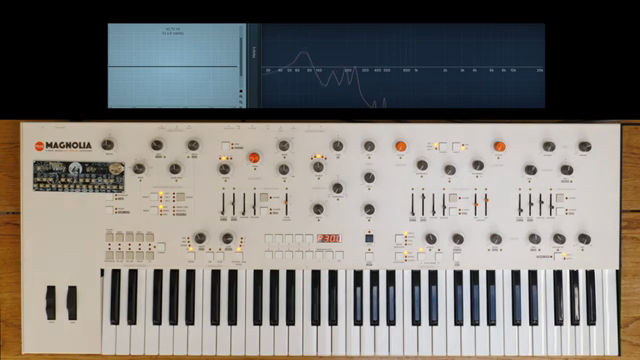
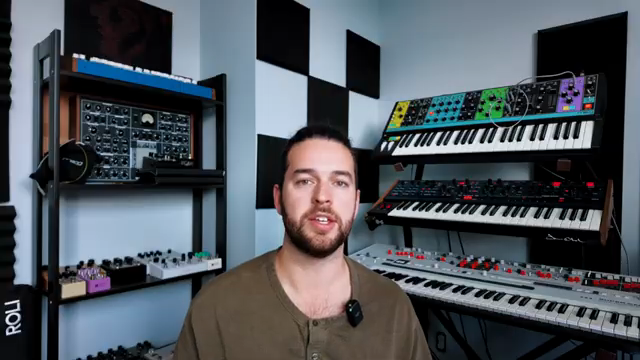
"So we would need to open the modulation amount as the key go up."
© Screenshot/Quote: Fraptools (YouTube)
Performance Polish: Effects and Final Touches
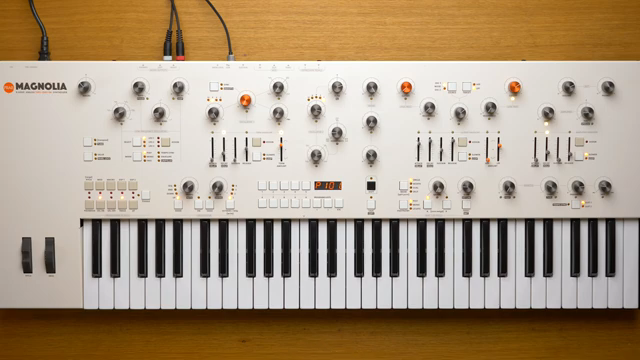
"That would be impossible to achieve on a digital FM synthesizer."
© Screenshot/Quote: Fraptools (YouTube)
No FM piano would be complete without a bit of studio magic, and the latter part of the video is dedicated to performance tools and effects. Tremolo is introduced in three distinct ways—via amplifier, drive, and pan modulation—demonstrating Magnolia’s flexible modulation routing. Each method brings its own flavour, from subtle movement to more dramatic stereo effects, and the presenter encourages users to experiment and find their preferred approach.
The final polish comes courtesy of built-in effects: chorus is used to thicken and widen the sound, while delay adds depth and rhythmic complexity. These effects are not just tacked on, but thoughtfully integrated into the patch, showing how Magnolia can move from raw analogue tones to lush, performance-ready textures. The result is a sound that’s both classic and unmistakably shaped by the hands-on, analogue-centric workflow that Frap Tools champions.
This article is also available in German. Read it here: https://synthmagazin.at/frap-tools-magnolia-analoger-fm-piano-sound-entschluesselt/
More articles about these products:
 Starsky Carr Throws Down: Jupiter-8 vs Magnolia – Who Actually Wins?
 Starsky Carr’s £15,000 Synth Soup: Analog Royalty, Now in Your Serum
 Frap Tools Magnolia: Glitch Drums, Modular Style – A Patch Analysis
 Frap Tools: Four Arpeggio Tweaks That Break the Grid
 Devin Belanger’s Superbooth 2026: Five Synths That Slap (and a Few That Don’t)
 Devin Belanger’s Synth Prophecies: Niche Machines, AI Nightmares, and Brand Mashups
 Frap Tools Magnolia Oscillator 1: Patchable Mysteries Unfolded
 Frap Tools Magnolia: Reverse Engineering Presets Without a Screen
 Frap Tools Magnolia: Precision Meets Patchable Warmth
 Frap Tools Magnolia: Analogue Polyphony with a Modular Mindset
 Superbooth 2025 Highlights with JorbLovesGear: The Hits and Misses
 Superbooth 2025: Devin Belanger’s Synth Picks that Slap!
Watch on YouTube:
Latest articles
Watch on YouTube:
Visit the channel:
https://www.youtube.com/FrapTools
https://www.youtube.com/FrapTools
Links from FrapTools:
website: https://frap.tools
instagram: https://instagram.com/fraptools
facebook: https://www.facebook.com/fraptools
twitter: https://twitter.com/fraptools
soundcloud: https://soundcloud.com/fraptools
Sponsored links:
If you purchase via these links, we may earn a small commission – at no extra cost to you. The link opens an Amazon keyword search, and results may vary depending on availability.
Frap Tools Magnolia
🔗 Check price on Amazon
🔗 Check price on Amazon