Arpeggios might be the bread-and-butter of modular melodies, but nothing kills the vibe quicker than a predictable note treadmill. In their latest video, Frap Tools—those Italian purveyors of design-driven Eurorack elegance—lay out four crafty ways to keep your arps from putting the crowd (or yourself) to sleep. From LFO-driven rhythm skewering to dual-arpeggio layering, chord mode shenanigans, and even fake sidechain thump, this tutorial is a neat study in how to make your modular lines feel alive and unscripted. If you want to push beyond vanilla arpeggiator fare, this is a practical, patch-oriented roadmap.
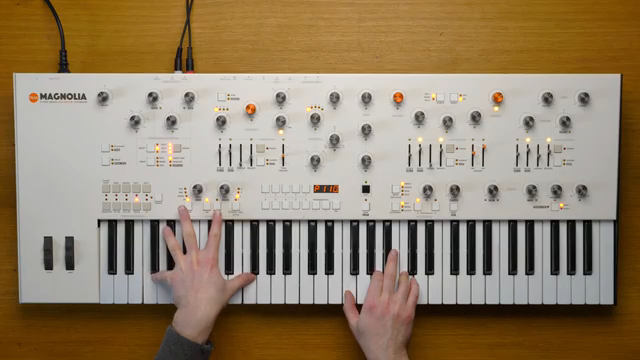
Beyond the Arp Trap: Four Modular Moves
Frap Tools kick things off by addressing a familiar pitfall: arpeggios that are fun to play, but monotonous to hear. The video’s premise is simple—four distinct strategies to escape the mechanical gridlock of default arp patterns. Each technique is presented with a focus on real-time modular manipulation rather than menu-diving or DAW trickery.
This approach is classic Frap Tools: hands-on, musical, and designed for those who want to sculpt evolving patterns without relying on external effects. The methods span from clever LFO patching to rhythmic layering, all demonstrated in a way that invites experimentation rather than rigid imitation.
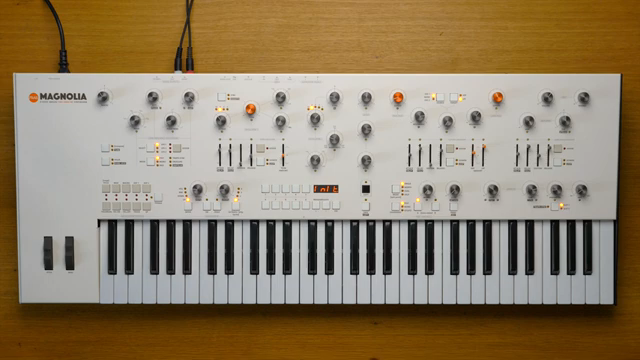
"Today I want to show you four ways to spice up your arpeggios."
© Screenshot/Quote: Fraptools (YouTube)
Syncopation by LFO: Polyrhythmic Filter Play
"By using synchronized LFOs at different rates, I am somehow creating different rhythms in the modulation segment that somehow alters the perception that I have of the classic 16th note pattern of my arpeggiator alone."
© Screenshot/Quote: Fraptools (YouTube)
The first trick in the arsenal exploits tempo-synced LFOs to inject rhythmic motion into arpeggios. By assigning a square wave LFO to modulate the filter cutoff and dialing it to various rhythmic subdivisions (e.g., 4/4, 8th, dotted 8th), the arpeggio’s character shifts from static to dynamic, with alternating open and closed filter states slicing up the note stream. The demo shows how simply changing the LFO’s division or waveform (triangle, saw, etc.) brings out new emphases, making classic 16th-note arps feel syncopated and unpredictable.
The patching doesn’t stop at filters: Frap Tools take the idea further by modulating envelope decay and release times, resulting in animated articulation across the sequence. Layering several LFOs at different rates—even slow, bar-length modulations—creates a complex, evolving rhythm bed, throwing the standard arpeggiator pulse into delightful disarray. It’s a textbook example of how modular modulation invites you to blur the lines between sequencing and timbral variation.
Double the Arps, Double the Trouble
Next up, the video explores stacking two independent arpeggiators, either with contrasting rhythmic divisions or tuned to different ranges. By copying the same sound across two parts and running each arpeggiator at a different time resolution (say, 16th notes versus dotted 8ths), the resulting interplay generates patterns that feel layered and non-repetitive. Swapping out time bases or shifting one part’s octave range introduces further textural complexity, verging on echo or delay territory without any effects in sight.
Frap Tools also highlight the creative potential of tweaking gate and swing settings on just one of the arpeggiators: nudging a single layer off-grid can produce “fake delay” effects or phasey, evolving movement. Pushing the technique further, they show how using divergent sounds—such as morphing one part into an FM patch—can open up a world of interplay between timbres and rhythms, all inside the modular ecosystem.
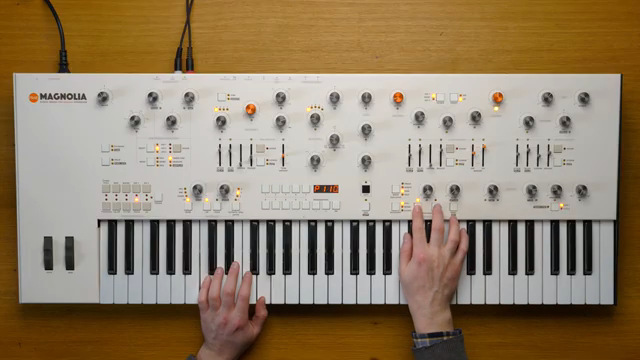
"Even if they are using the same rhythmic pulse, they somehow create a more interesting texture that feels like layering or an echo kind of thing."
© Screenshot/Quote: Fraptools (YouTube)
Chord Mode Antics: Polyphonic Arp Adventures
The third technique shifts from rhythm to harmony, leveraging the module’s chord mode to turn a single arpeggio into a shifting polyphonic cascade. Setting the part to mono and defining a chord (like a suspended voicing), the video then uses ‘polymove’ to modulate each voice’s amplifier independently, so every note in the chord can jump out or recede as the sequence runs. This avoids the static feel of simple stacked chords and adds a breathy, ever-changing presence to the arpeggio.
Further modulation—like spreading the chord over multiple octaves or adding movement to the filter cutoff via keyboard tracking—accentuates the unpredictability. The approach is all about subtlety: instead of a wall of identical hits, each note in the chord can take its own space in the mix, yielding arpeggios that shimmer and pulse rather than march in lockstep.
Kick, Pump, Repeat: Sidechain for Modular Heads
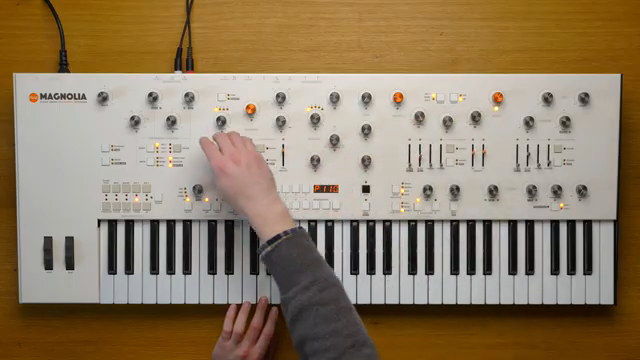
"We will use it to negatively modulate our amplifier."
© Screenshot/Quote: Fraptools (YouTube)
For the final tip, things get percussive: Frap Tools show how to create a classic kick drum from scratch using the high-pass filter’s screaming resonance and a carefully shaped envelope. Once the kick is up and running on a separate part, it’s layered with the arpeggio for instant groove. The real magic, however, comes from patching a tempo-synced LFO—set to match the kick’s pulse—to negatively modulate the arpeggio’s amplifier, mimicking the iconic sidechain pump of dance music.
Adjusting the LFO’s shape and depth lets you dial in anything from a subtle sway to full-on ‘ducking’ that locks the arp to the kick’s energy. The result is a modular patch that grooves and breathes, all without a compressor in sight. Importantly, the video finishes by encouraging viewers to combine these techniques and experiment further, pointing out that the effects section hasn’t even been touched—a nudge to keep patching beyond the obvious.
This article is also available in German. Read it here: https://synthmagazin.at/frap-tools-vier-arpeggio-tricks-die-das-raster-sprengen/
More articles about these products:
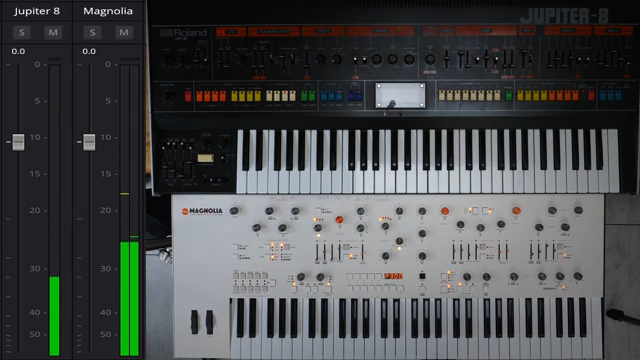 Starsky Carr Throws Down: Jupiter-8 vs Magnolia – Who Actually Wins?
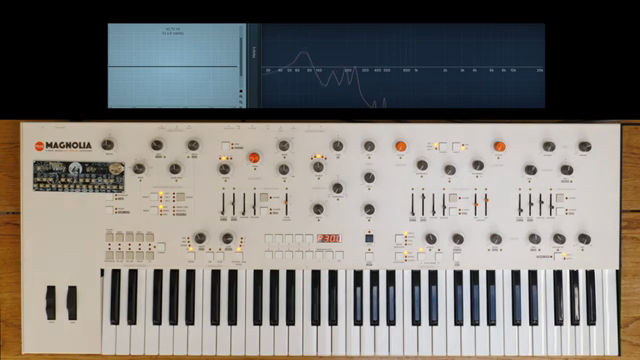 Starsky Carr’s £15,000 Synth Soup: Analog Royalty, Now in Your Serum
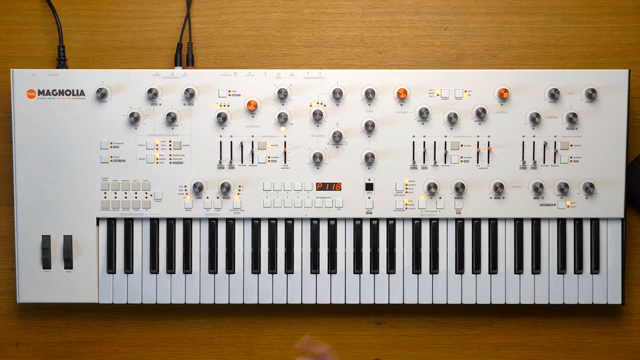 Frap Tools Magnolia: Glitch Drums, Modular Style – A Patch Analysis
 Devin Belanger’s Superbooth 2026: Five Synths That Slap (and a Few That Don’t)
 Devin Belanger’s Synth Prophecies: Niche Machines, AI Nightmares, and Brand Mashups
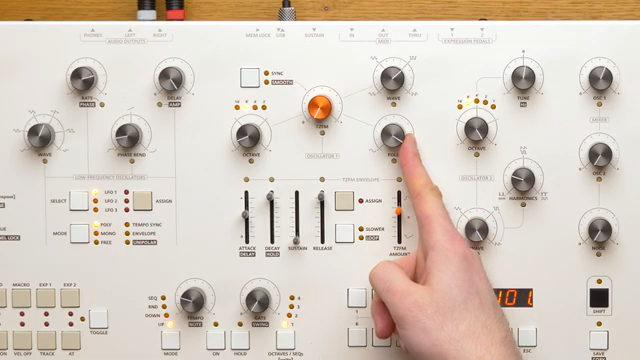 Frap Tools Magnolia Oscillator 1: Patchable Mysteries Unfolded
 Frap Tools Magnolia: Analogue FM Piano Synthesis Demystified
 Frap Tools Magnolia: Reverse Engineering Presets Without a Screen
 Frap Tools Magnolia: Precision Meets Patchable Warmth
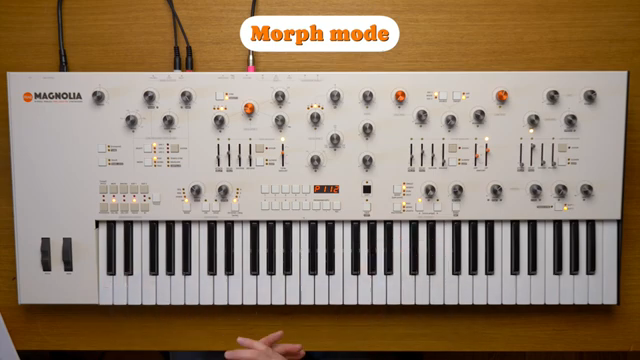 Frap Tools Magnolia: Analogue Polyphony with a Modular Mindset
 Superbooth 2025 Highlights with JorbLovesGear: The Hits and Misses
 Superbooth 2025: Devin Belanger’s Synth Picks that Slap!
Watch on YouTube:
Latest articles
Watch on YouTube:
Visit the channel:
https://www.youtube.com/FrapTools
https://www.youtube.com/FrapTools
Links from FrapTools:
website: https://frap.tools
instagram: https://instagram.com/fraptools
facebook: https://www.facebook.com/fraptools
twitter: https://twitter.com/fraptools
soundcloud: https://soundcloud.com/fraptools
Sponsored links:
If you purchase via these links, we may earn a small commission – at no extra cost to you. The link opens an Amazon keyword search, and results may vary depending on availability.
Frap Tools Magnolia
🔗 Check price on Amazon
🔗 Check price on Amazon