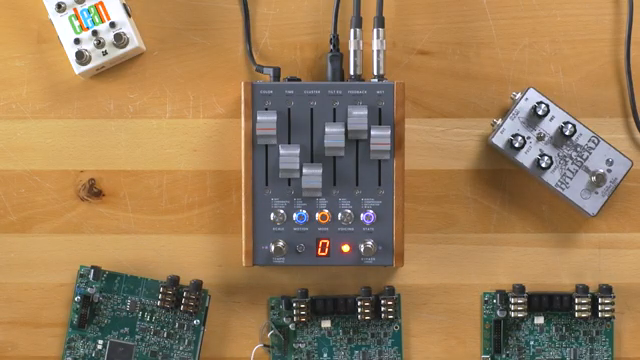
Chase Bliss, the Minnesota pedal alchemists, have a knack for cramming analog soul and digital wizardry into stompboxes that beg to be patched, prodded, and generally misbehaved with. Their latest, Big Time, is no exception—a delay pedal with ten factory presets, each serving as a launchpad for sonic exploration. In this official walkthrough, analog engineer John Snyder takes us on a guided tour through each preset, revealing not just the breadth of delay and modulation effects on offer, but also the underlying circuitry’s character. For those of us who think in feedback paths and filter voicings, this video is a deep dive into how Big Time can twist, smear, and animate your signal in ways both classic and utterly unhinged.
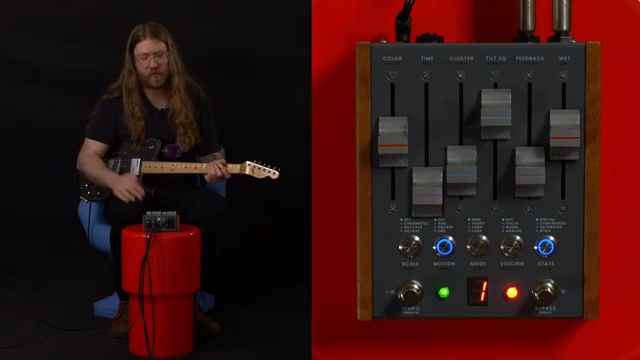
Ten Presets, Infinite Possibilities
Chase Bliss’s Big Time pedal arrives with ten factory presets, each crafted as a distinct entry point into the world of analog delay and modulation. The video opens with John Snyder, the analog engineer behind Big Time, introducing the pedal’s ethos: every preset is a springboard for deeper exploration, rather than a static effect. This approach is classic Chase Bliss—inviting users to treat the pedal as a modular playground rather than a fixed box.
Preset zero sets the tone, offering a straightforward yet lush analog delay. The emphasis here is on the quality of the delay itself, with the analog circuitry providing warmth and subtle saturation. As John demonstrates, even the most basic setting is alive with character, thanks to the interplay of preamp coloration, feedback compression, and limiting. The presets are designed not just as finished sounds, but as starting points for users to tweak, morph, and push into new territories.
"Each one designed to serve as a jumping off point for deeper exploration within the pedal."
© Screenshot/Quote: Chaseblissaudio (YouTube)
Analog Circuitry and Modulation Modes
"In mod mode, the delay times are very short to give you things like chorus and flange and double tracking and weirder stuff besides."
© Screenshot/Quote: Chaseblissaudio (YouTube)
A key ingredient in Big Time’s sound is its intricate analog circuitry, which underpins the pedal’s delay quality and overall sonic character. John highlights how pushing the color control engages more of the analog path, activating the preamp, feedback compression, and saturation circuits. This isn’t just about adding grit—it’s about sculpting the response and dynamic behaviour of the repeats.
Modulation modes are another pillar of Big Time’s design. Entering preset one, the pedal shifts into short delay times, unlocking chorus, flange, and double-tracking effects. The modulation is highly interactive, with dedicated controls allowing users to adjust texture and state, shaping everything from subtle movement to wild, feedback-laden chaos. The video makes clear that these aren’t tacked-on extras, but deeply integrated tools for creative sound manipulation.
From Flange to Loop Diffusion: Creative Use Cases
The video’s heart lies in its hands-on demonstrations of each preset, showcasing the pedal’s versatility. Preset two leans into dirt pedal territory, using short delays, preamp drive, and saturated states to deliver aggressive, blooming attacks—especially when the dry signal is removed and the bias circuit is allowed to sag. This mode shines when feeding loops and evolving textures, hinting at the pedal’s potential for experimental layering.
Preset five is a standout for fans of dynamic flanging and envelope-driven mayhem. Here, envelope motion and bias modulation are used to create broken, warbly textures that respond to playing dynamics. By manipulating feedback and color, users can shift from chaotic destruction to playful vibrato, with delay times dipping as low as three milliseconds for near-instantaneous modulation effects.
Loop-based creativity is further explored in presets like eight and nine. Preset eight removes the dry signal entirely, inviting Frippertronics-style time-lag loops where pitch and feedback can be sculpted in real time. The cluster and diffusion controls allow users to smear, scatter, and reconstitute loops, creating evolving soundscapes that blur the line between delay, reverb, and granular processing. The pedal’s ability to respond to both subtle and extreme input makes it a tool for both traditionalists and sonic adventurers.
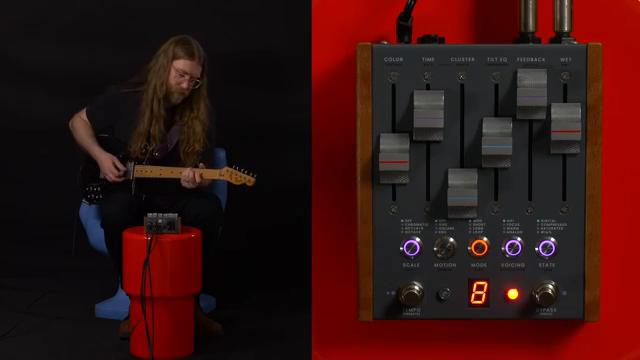
"You can kind of see how I would push texture up to kind of like punch through the loop by causing the bias circuit to sag out completely."
© Screenshot/Quote: Chaseblissaudio (YouTube)
Feedback, Modulation, and the Art of Control
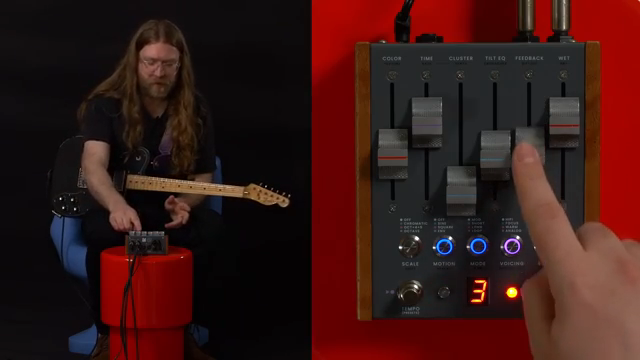
"You can get a sort of buffer replacement, where when you add new material, it fully replaces what was there before."
© Screenshot/Quote: Chaseblissaudio (YouTube)
Throughout the walkthrough, John draws attention to the subtleties of managing feedback and modulation. The placement of compressors and limiters within the feedback path allows for unique behaviours—such as ducking delays that replace old buffer content with new material, or feedback paths that can be frozen to capture a moment of analog chaos. These features are not just technical flourishes; they’re invitations to experiment with the pedal’s internal signal flow.
The interplay between controls like texture, state, and cluster is central to crafting unique auditory experiences. By adjusting these parameters, users can move from tightly controlled, hi-fi repeats to unstable, aliasing-laden clouds of sound. The video demonstrates how Big Time rewards those willing to push its controls to extremes, yet also offers enough nuance for delicate, musical applications. It’s a balancing act between chaos and control—a hallmark of Chase Bliss’s design philosophy.
Analog Warmth Meets Modern Flexibility
In summary, Big Time’s ten presets provide a vast sonic palette, pairing classic analog warmth with the kind of modern, tweakable functionality that Chase Bliss is known for. Whether you’re after pristine delays, evolving loops, or unpredictable modulation, the pedal offers a toolkit for sound designers and musicians eager to explore the boundaries of delay. The walkthrough makes it clear: Big Time isn’t just another delay pedal—it’s a modular playground in stompbox form, ready to be bent, broken, and rebuilt in the service of creative expression.
This article is also available in German. Read it here: https://synthmagazin.at/chase-bliss-big-time-analoge-delay-presets-im-ueberblick/
More articles about these products:
Watch on YouTube:
Latest articles
Watch on YouTube:
Visit the channel:
https://www.youtube.com/ChaseBlissAudio
https://www.youtube.com/ChaseBlissAudio
Links from ChaseBlissAudio:
website: https://www.chasebliss.com
instagram: https://www.instagram.com/chasebliss
facebook: https://www.facebook.com/chasebliss
twitter: https://twitter.com/chaseblissaudio
discord: https://discord.gg/chasebliss
Sponsored links:
If you purchase via these links, we may earn a small commission – at no extra cost to you. The link opens an Amazon keyword search, and results may vary depending on availability.
Chase Bliss Big Time
🔗 Check price on Amazon
🔗 Check price on Amazon