Ever wondered if those crusty old VSTs from your dad’s Pentium II could actually lay down a fat house groove? Bthelick, the pragmatic groove mechanic, hurls himself headfirst into the pixelated past, wrangling 30-year-old plugins to bash out a dance track. Expect bugs, weird envelopes, and a healthy dose of British sarcasm as vintage software gets dragged into the 2020s. Spoiler: limitations get rinsed for all they’re worth.
18. October 2026
SPARKY
Bthelick Goes Retro: 30-Year-Old Plugins, Modern House Mayhem
Cajeras Classic Chorus, Nuendo EQ, Ohmboys Fromage, Steinberg CS-40, Steinberg Karlette, Steinberg LM7, Steinberg Magneto, Steinberg Neon, Steinberg VB1, TC Works Native Reverb Plus, Weedersoft DX Reverb Lite
Nostalgia or Nightmare? The 30-Year-Old Plugin Challenge
Bthelick takes a swing at the sort of challenge only a true masochist (or synth nerd) would attempt: making house with plugins old enough to rent a car. Inspired by a Red Means Recording video and Steinberg’s re-release of their classic VSTs, he sets the rules—no modern toys, just the digital dust of 1999 and before. The result? A self-imposed limitation that’s half museum tour, half rave bunker experiment.
Instead of moaning about what’s missing, Bthelick leans into the era’s quirks. The approach is less about retro worship and more about squeezing every drop of funk from tools that barely qualify as functional by today’s standards. It’s a tightrope walk between nostalgia and outright frustration, and you can almost smell the CRT burn-in.

"If I limit myself to just the plugins of this era, can I actually make something decent?"
© Screenshot/Quote: Bthelick (YouTube)
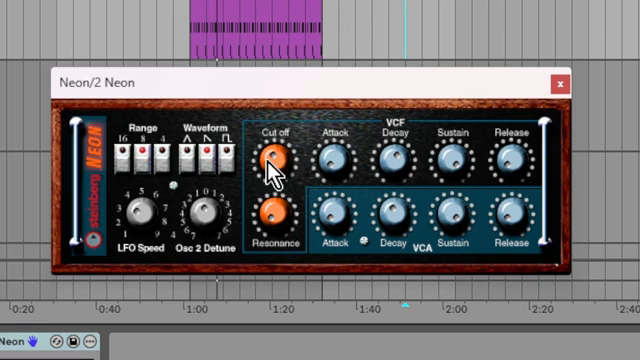
Neon Nights and Plugin Oddities
"If the filter is always spiked by the envelope, how on earth do you turn the filter down?"
© Screenshot/Quote: Bthelick (YouTube)
First up is Neon, the synth that apparently walked so Serum could run—if Serum had to run with a club foot. Filter cutoff barely works, envelopes are hardwired, and you get three whole waveforms (don’t get greedy now). The interface is so tiny you’ll be squinting, and the filter behaviour is, let’s just say, unique. But there’s a strange charm to its limitations—like dancing in a phone box with your mates.
After Neon comes a parade of plugin fossils. Detuning is surgical (read: touchy), LFO routing is fixed, and everything feels a bit delayed, like a toaster-fight on dial-up internet. Bthelick doesn’t sugar-coat the experience, but he does show that there’s still creative juice left in these primordial VSTs if you’re willing to wrestle them.
VB1 and CS-40: Bass and Brains of the Operation
The VB1 is up next, and it’s about as subtle as a brick: basic bass, a shape knob that morphs from saw to something resembling FM, and a damper that’s basically a sustain killer. If you want 90s video game slap bass, congrats—you’ve found it. For anything else, you might be out of luck, but that’s half the fun.
Then there’s the CS-40, which finally gives you the controls Neon forgot. Multiple oscillators, actual filter modulation, and even a mono mode for those classic lead and bass lines. The sliders are fiddly, but you can at last sculpt sounds with a bit of nuance. It’s still a far cry from modern synth luxury, but paired with a dry sense of humour, it gets the job done—sometimes even with a bit of accidental brilliance.
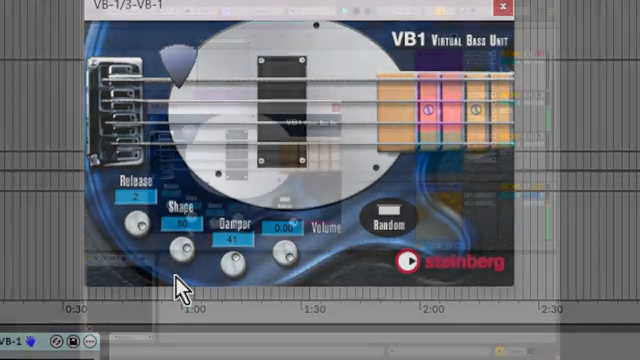
"Is it good for bass other than early video games emulating bass guitars type bass? I'm not sure."
© Screenshot/Quote: Bthelick (YouTube)
Cooking Up a Track: Creativity on a Shoestring
With the ancient arsenal assembled, Bthelick slices together a house track that nods to Mr. Fingers but keeps its tongue firmly in cheek. Pads are layered with doubled-up CS-40s, Neon gets detuned for bass, and the LM7 delivers a classic 909 thump. Effects like Karlette delay, crusty old reverbs, and legendary Fromage filter are all wrangled to inject life into the mix.
The process is less about showing off technical wizardry and more about clever workaround—doubling synths for thickness, abusing modulation, and automating whatever is left standing. It’s proof that you don’t need a spaceship to make people dance. Some moves are best seen and heard, so if you want the full impact of these pixelated relics, the video’s the only place to get that proper rave-in-the-museum vibe.
Nostalgia: Creative Fuel or Sonic Handbrake?
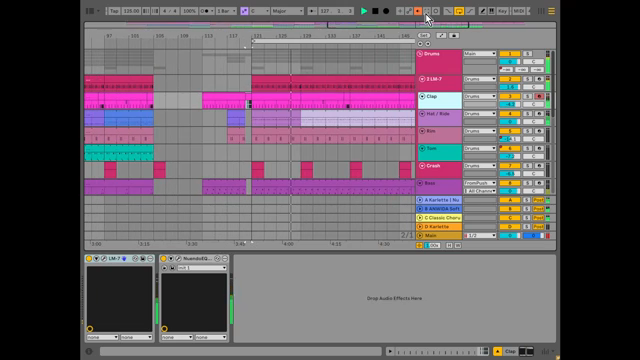
"When you have less, you try to make more of what you do have."
© Screenshot/Quote: Bthelick (YouTube)
The big question looms: are we celebrating these old plugins because they’re secretly amazing, or are we just suckers for nostalgia? Bthelick doesn’t give a straight answer, and that’s sort of the point. The gear is limited and sometimes trash, but those very limits push you into new creative corners—assuming you don’t rage-quit first.
It’s a reminder that boundaries, whether imposed by old software or self-inflicted, can spark ideas you’d never get with endless options. The verdict? If you want to test your creativity (and patience), a bit of digital archaeology might be just what your workflow needs. Or you might just want to watch someone else fight the toaster so you don’t have to.
This article is also available in German. Read it here: https://synthmagazin.at/bthelick-im-retro-modus-house-produktion-mit-30-jahre-alten-plugins/
Watch on YouTube:
Latest articles
Watch on YouTube:
Visit the channel:
https://www.youtube.com/Bthelick
https://www.youtube.com/Bthelick
Links from Bthelick:
Instagram: https://instagram.com/bthelickmusic
SoundCloud: https://soundcloud.com/bthelick
Ko-Fi: https://ko-fi.com/bthelick
facebook: https://facebook.com/bthelick
Twitter: https://twitter.com/BtheLick
Sponsored links:
If you purchase via these links, we may earn a small commission – at no extra cost to you. The link opens an Amazon keyword search, and results may vary depending on availability.
Cajeras Classic Chorus
🔗 Check price on Amazon
🔗 Check price on Amazon
Nuendo EQ
🔗 Check price on Amazon
🔗 Check price on Amazon
Ohmboys Fromage
🔗 Check price on Amazon
🔗 Check price on Amazon
Steinberg CS-40
🔗 Check price on Amazon
🔗 Check price on Amazon
Steinberg Karlette
🔗 Check price on Amazon
🔗 Check price on Amazon
Steinberg LM7
🔗 Check price on Amazon
🔗 Check price on Amazon
Steinberg Magneto
🔗 Check price on Amazon
🔗 Check price on Amazon
Steinberg Neon
🔗 Check price on Amazon
🔗 Check price on Amazon
Steinberg VB1
🔗 Check price on Amazon
🔗 Check price on Amazon
TC Works Native Reverb Plus
🔗 Check price on Amazon
🔗 Check price on Amazon
Weedersoft DX Reverb Lite
🔗 Check price on Amazon
🔗 Check price on Amazon