Behringer embarks on an ambitious journey: remaking Michael Jackson’s immortal ‘Thriller’ using modern, wallet-friendly synths and drum machines. This first episode sets the scene, revealing how the iconic track’s rhythm is rebuilt with a focus on hands-on drum programming and crafty sonic tweaks. Expect a patch-by-patch breakdown, dry wit, and a clear-eyed look at what these accessible tools can really do in the studio. For modular heads and synth tinkerers, it’s a chance to see classic sounds reimagined—no vintage museum required.
18. October 2026
MILES
Behringer’s Thriller Remake: Affordable Synths, Legendary Grooves
Behringer JN80, Behringer JT2, Behringer LM Drum, Behringer Poly D, Behringer RD8, Behringer WAVE
Setting the Scene: Reimagining Thriller on a Budget
Behringer opens the episode with a nod to ‘Thriller’ as the definitive 80s anthem, shaped by a host of legendary session players and studio wizards. The video quickly addresses the elephant in the room: while the original track leaned on rare and now extremely pricey vintage synths, this remake aims to get eerily close using accessible modern gear. The setup promises to spare your bank account, avoiding the usual parade of collector’s items.
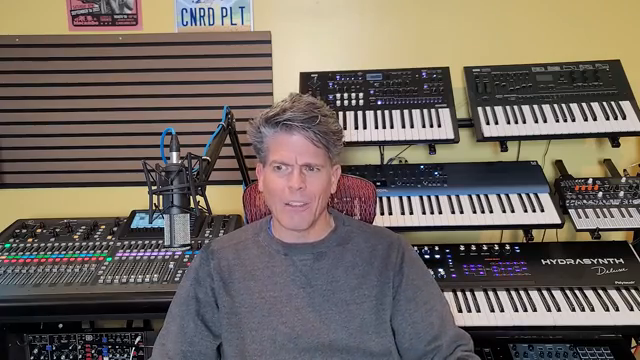
Importantly, every sound and sequence is tracked, mixed, and assembled in a modest home studio—not a plush pro facility. The host spells out his weaponry: Poly D, LM Drum, JT2, Wave, and the JN80, all from the Behringer stable. It’s a clear statement of intent: this isn’t a museum piece, but a hands-on, pragmatic approach. The video sets the tone for a series focused on demystifying classic pop production with kit that mere mortals can actually afford.
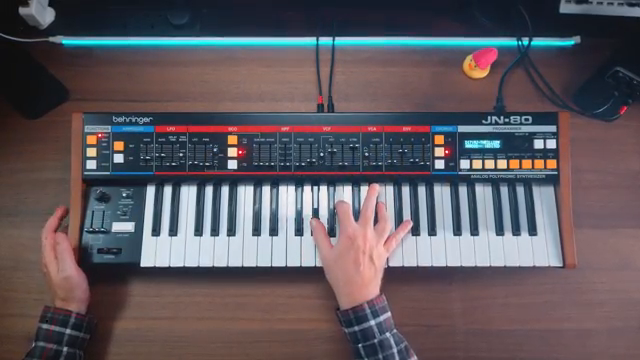
"I thought, hey, it'd be really interesting to see how close I could get with synths that are just a bit more affordable for us mere mortals."
© Screenshot/Quote: Behringer (YouTube)
LM Drum in the Spotlight: Patching the Thriller Beat
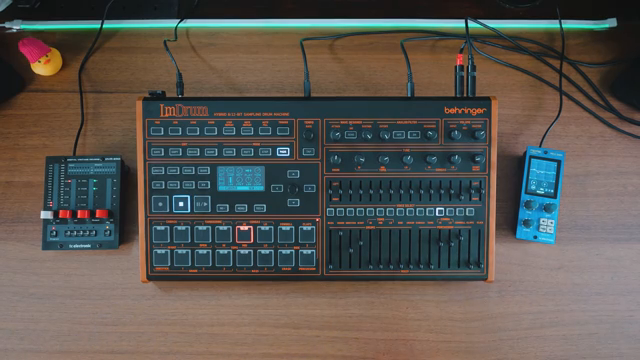
"I've got the LM Drum set up right here with all channels feeding into the stereo output, apart from the kick and clap, which are routed separately for more control in the mix."
© Screenshot/Quote: Behringer (YouTube)
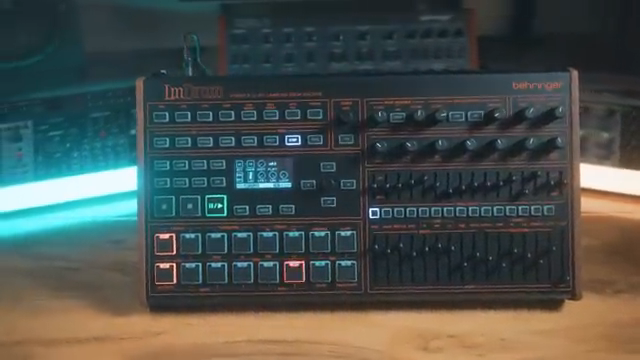
Diving into the main course, the LM Drum takes centre stage, with the host routing all channels to the stereo output—except for the kick and clap, which are split out for mix control. This is a classic move for anyone wanting to sculpt the backbone of a rhythm track. The video highlights a subtle but crucial tweak: swapping the default congas for LM1 conga samples and loading a custom clap sound from the RD8. These modifications are aimed squarely at nailing the original’s groove.
Step mode drum sequencing follows, with tempo set to 118 BPM and a 32-step pattern length. The programming is meticulous: four-to-the-floor kick, closed hats throughout, open hats alternating between bars, cowbell on the offbeat, low and high congas precisely placed, plus snare and clap to round out the pattern. Each element is dialled in with an ear for the nuances that make ‘Thriller’ instantly recognisable.
From Boxy to Bouncy: Drum Programming, EQ, and Mix Tricks
Once the pattern is laid down, attention shifts to shaping the sound. The kick drum gets a surgical EQ treatment: carving out boxy low-mids, restoring punch in the lows, boosting the click around 4kHz, and gently rolling off the extreme highs. The comparison A/B is subtle but effective—a nod to the careful balance needed for 80s-style drum tones.
Next, the stereo drum bus is refined: the hats are smoothed by scooping upper mids, a touch of high-frequency roll-off is applied, and the lows are trimmed to leave sonic space for the kick. The result is a more polished, less shrill drum mix. The clap gets a dash of reverb and is mixed back for a natural space, while the full drum bus is given a final EQ pass for cohesion.
Throughout, the workflow is methodical but musical—a reminder that getting close to classic sounds is about iterative tweaks, not just slavish sample choices. The process, as shown, is all about using what’s at hand, listening critically, and knowing when to stop fiddling.
No Compression Needed: Channeling Swedeen’s Spirit
True to Bruce Swedeen’s legendary engineering philosophy, the host purposefully avoids compression on the LM-style drums. The aim is to preserve the natural punch and clarity, rather than squash the life out of the groove. This choice is both a technical and aesthetic nod to the original production values.
For modular fans and purists, it’s a refreshing reminder: sometimes the best trick is knowing when not to reach for another tool. The result is a drum section that feels lively and open, ready to underpin the rest of the remake.
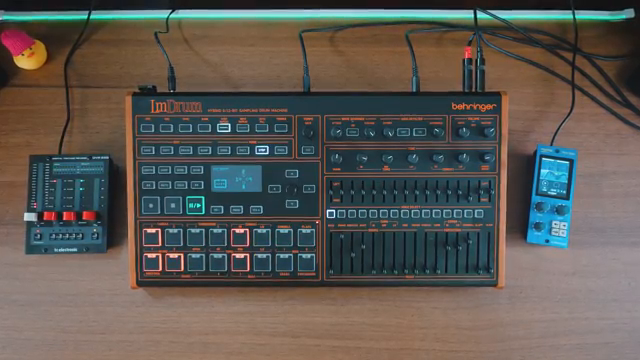
"I purposely kept it clean here, to stay true to Bruce Swedean's philosophy of not using any compression if it can be avoided."
© Screenshot/Quote: Behringer (YouTube)
Looking Ahead: Synth Bass and Beyond
The episode wraps by hinting at what’s to come—next up, the all-important synth bass. With the drum bedrock now in place, the series promises to peel back further layers, tackling each element of ‘Thriller’ in future instalments. For those of us obsessed with signal chains and patching philosophy, it’s a tasty prospect.
This article is also available in German. Read it here: https://synthmagazin.at/behringers-thriller-remake-legendaere-grooves-mit-guenstigen-synths/
More articles about these products:
 NAMM 2026: Molten Music Technology Drops the Gear Gauntlet
 Tonepusher Illuminates the Sonic Ghosts of ‘Pretty Hate Machine’
 Scott’s Synth Stuff Storms Sweetwater: 2025’s Top 20 Synths Get the Rave Bunker Treatment
 StarskyCarr Takes on the Behringer WAVE with Prophet VS Magic
 StarskyCarr Dives Deep into the Behringer WAVE Firmware Update
 Behringer LM Drum: Reimagining Iconic Drum Machines for the Modern Studio
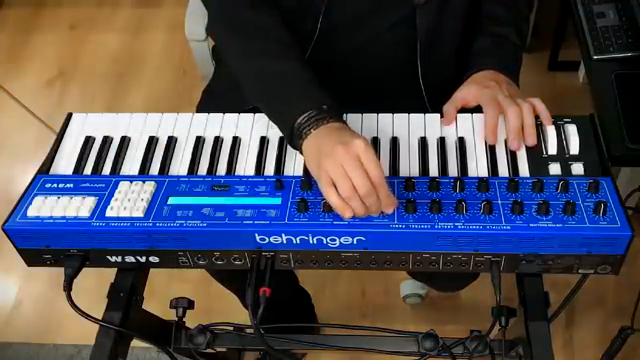 Behringer Wave: Digital Wavetable Power with Vintage Attitude
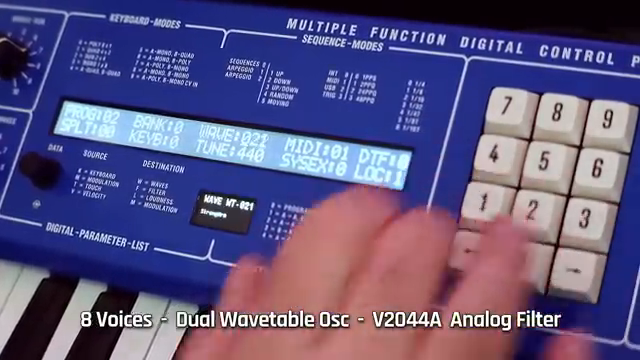 Behringer’s Wave: Digital Wavetables Meet Analog Warmth in a Modern Hybrid Synth
Watch on YouTube:
Latest articles
Watch on YouTube:
Visit the channel:
https://www.youtube.com/behringer
https://www.youtube.com/behringer
Links from behringer:
website: https://www.behringer.com
facebook: https://www.facebook.com/Behringer
twitter: https://twitter.com/BEHRINGER
instagram: https://instagram.com/Behringer
Sponsored links:
If you purchase via these links, we may earn a small commission – at no extra cost to you. The link opens an Amazon keyword search, and results may vary depending on availability.
Behringer JN80
🔗 Check price on Amazon
🔗 Check price on Amazon
Behringer JT2
🔗 Check price on Amazon
🔗 Check price on Amazon
Behringer LM Drum
🔗 Check price on Amazon
🔗 Check price on Amazon
Behringer Poly D
🔗 Check price on Amazon
🔗 Check price on Amazon
Behringer RD8
🔗 Check price on Amazon
🔗 Check price on Amazon
Behringer WAVE
🔗 Check price on Amazon
🔗 Check price on Amazon