Arturia’s official walkthrough of the MiniFreak 49 puts its hybrid synthesis architecture front and center. This keyboard combines dual digital sound engines with a six-voice analog filter, aiming to bridge classic analog warmth and contemporary digital versatility. The video systematically explores engine types—from wavetables to granular sampling—and demonstrates how engine-specific controls and innovative modulation options enable both familiar and experimental sound design. It’s a showcase of what happens when digital flexibility meets analog character in a tightly integrated performance keyboard.
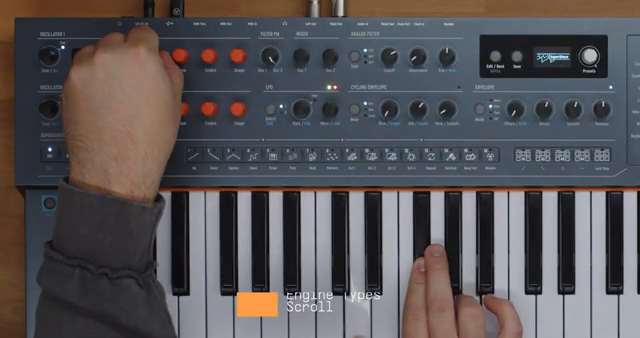
Hybrid Foundations: Digital Engines, Analog Edge
Arturia presents the MiniFreak 49 as a hybrid instrument, merging two independent digital sound engines with a true analog filter path. Right from the start, the focus is on versatility: the dual-engine architecture allows users to combine different synthesis types in parallel or stacked configurations, unlocking a broad palette of sonic potential.
The video positions the MiniFreak 49 as equally adept at classic timbres and daring, experimental soundscapes. The analog filter is not just a legacy nod—it’s actively integrated into the digital workflow, making it possible to sculpt digital signals with analog warmth and resonance. The approach is unapologetically modern, with an emphasis on immediate hands-on control and creative routing.
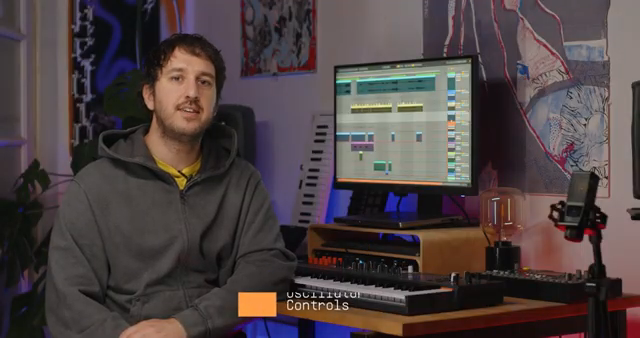
"Follow Alex through MiniFreak 49’s dual digital engines and analog filter, from classic synthesis and wavetables to sampling, granular textures and oscillator processing."
© Screenshot/Quote: Arturiaofficial (YouTube)
Engine Controls: From Wavetable to Granular, at Your Fingertips
"Dedicated engine controls allow users to explore various synthesis methods, including wavetables, sampling, and granular textures."
© Screenshot/Quote: Arturiaofficial (YouTube)
A key highlight of the MiniFreak 49 is its dedicated engine control section, which provides direct, tactile access to the parameters of each digital oscillator. Arturia demonstrates how users can fluidly switch between synthesis engines—including classic virtual analog, wavetable, sample playback, and granular—without menu-diving or slowing down the creative process.
This section of the video shows that each engine type is more than a preset swap; it’s a gateway to a unique sonic universe, with knobs and controls mapped to the most relevant parameters for that mode. The result is a workflow that encourages active exploration and real-time tweaking, making it easy to sculpt everything from crystalline textures to glitchy, fractured sounds in a performance-friendly context.
Analog Filter and Audio-Rate FM: Shaping with Precision
The analog filter in the MiniFreak 49 is more than just an afterthought—it’s a fully integrated component that interacts seamlessly with the digital oscillators. Arturia demonstrates how the filter can be modulated at audio rates, introducing complex harmonic content and dynamic movement into the sound. This is particularly effective when paired with the digital engines’ diverse tonalities, resulting in a hybrid sound that’s both rich and unpredictable.
With six voices of polyphony available through the analog filter, the MiniFreak 49 supports lush chord voicings and intricate sound layers. The video emphasizes that users can push the instrument into both traditional analog territory and more experimental sonic zones simply by manipulating the filter and FM depth, all in real time.
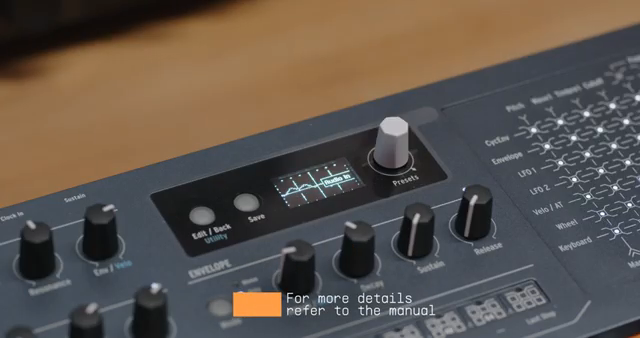
"Audio-rate Filter FM and the six-voice analog filter open up new possibilities for sound shaping."
© Screenshot/Quote: Arturiaofficial (YouTube)
Oscillator Processing Engines: Crafting Complex Soundscapes
The MiniFreak 49’s oscillator processing engines are showcased as powerful tools for building layered and evolving textures. Arturia walks through how each engine can process and modulate the other, enabling feedback loops, cross-modulation, and creative sound mangling that go far beyond standard subtractive synthesis.
This workflow-centric approach is designed for musicians who want to push boundaries: the ability to route, process, and morph sounds on the fly gives rise to deeply complex patches. Whether you’re stacking wavetables with granular fragments or feeding processed samples through the analog filter, the system encourages experimentation and rewards those willing to explore its architecture.
This article is also available in German. Read it here: https://synthmagazin.at/arturia-minifreak-49-duale-digitale-engines-treffen-auf-analoge-tiefe/
Watch on YouTube:
Latest articles
Watch on YouTube:
Visit the channel:
https://www.youtube.com/ArturiaOfficial
https://www.youtube.com/ArturiaOfficial
Links from ArturiaOfficial:
website: https://www.arturia.com
instagram: https://instagram.com/arturia_official
twitter: https://twitter.com/ArturiaOfficial
soundcloud: https://soundcloud.com/arturia-official/albums