Arturia’s Memory V steps into the spotlight as a software instrument designed to channel the lush, unstable polyphony of classic analog synths—without ever needing to dust off a vintage unit. In this official video, Arturia’s Matt Paull walks us through building three foundational patches: a shimmering 80s pad, a responsive analog bass, and a sharp, moving lead. The focus is on layered oscillators, vintage drift, and modulation techniques that inject genuine movement and depth into each sound. If you’re interested in how digital design can capture vintage spirit, this workflow-centric session is a deep dive into the Memory V’s architecture—direct from the manufacturer’s lab.
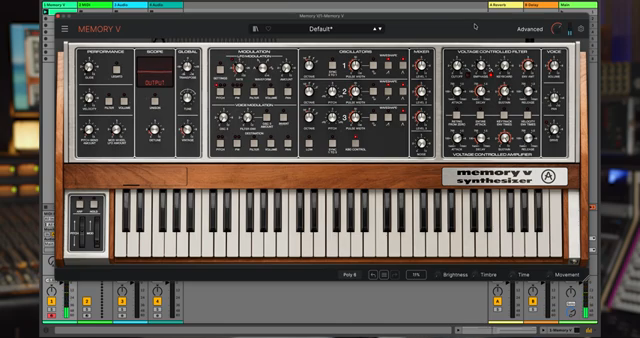
Memory V: Digital Classicism With Depth
Arturia positions Memory V as a versatile virtual instrument, meticulously recreated to emulate the analog powerhouse it’s inspired by. The emphasis is on delivering the huge polyphonic sound, thick oscillator presence, and endearing vintage instability that defined the original’s sonic signature. The video makes it clear that Memory V aims to offer both classic analog character and modern control, serving as a sonic bridge between eras.
Right from the introduction, the focus is on how Memory V combines harmonic richness with subtle organic drift, making it suitable for sounds with depth and movement. This approach promises not just static analog emulation but a living, breathing digital instrument primed for both studio and stage workflows.
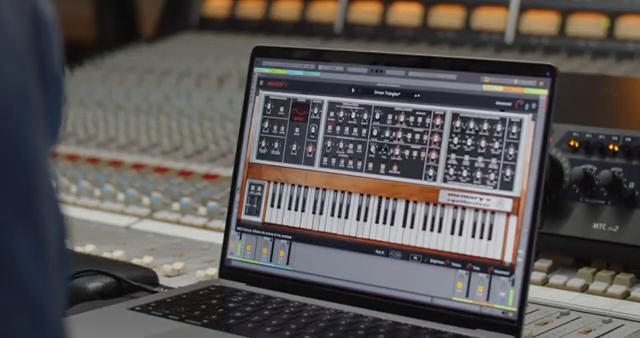
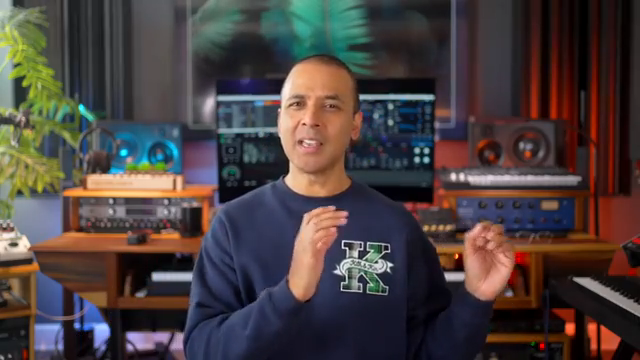
"a recreation of the analog powerhouse known for its huge polyphonic sound, thick oscillators and that understacable vintage instability."
© Screenshot/Quote: Arturiaofficial (YouTube)
Three Patches, Three Characters: Pad, Bass, and Lead
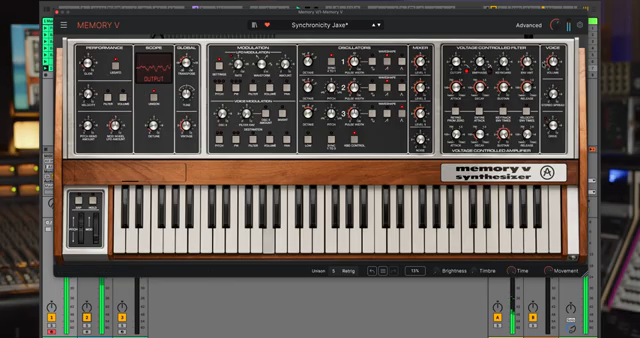
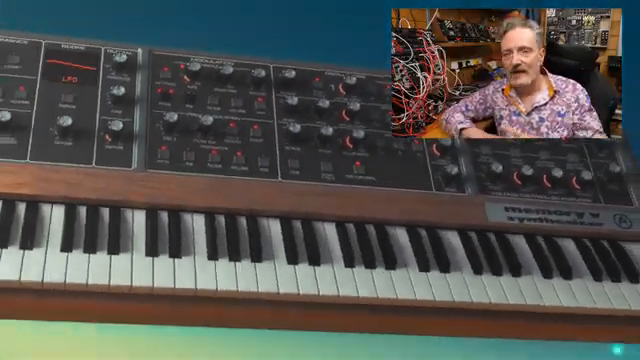
"And that's how you can quickly build 3 classic, analogue inspired sounds inside Memory V."
© Screenshot/Quote: Arturiaofficial (YouTube)
The video is structured around building three distinctive patches that showcase Memory V’s range. First up is the cinematic polyphonic pad, described as warm, wide, and slightly unstable. Here, the walkthrough demonstrates stacking multiple oscillators with varied waveforms, creating a harmonically rich and blooming sound ideal for lush chordal work. Techniques like slow attack envelopes and gentle filter movement are used to highlight the pad’s evolving texture, while effects such as chorus and reverb add width and depth.
Next, the focus shifts to a punchy, expressive bass, and finally to a cutting synced lead. Each patch is designed to spotlight different aspects of the synth engine: the bass leverages square waves for a hollow yet weighty low end, with keyboard tracking enabled on the filter for expressive playability. The synced lead showcases oscillator sync and unison detuning to create a forward, animated tone. This trio of sounds provides a clear demonstration of Memory V’s ability to shift from smooth polyphony to aggressive monophonic lines.
Stacked Oscillators, Drift, and Modulation: The Sound Palette
One of the central techniques throughout the video is the stacking of oscillators with different waveforms—saw, square, and triangle—to build complex, layered sounds. For the pad, combining two oscillators with saw and triangle shapes and adding a third triangle oscillator results in a sound that is both full and smooth. The bass patch similarly exploits square and triangle waves to achieve depth and punch, while the lead relies on oscillator sync for harmonic ‘bite.’
Vintage drift is applied to introduce a subtle, organic instability, spreading voices and imbuing each patch with analog-like motion. Modulation is woven in through envelope shaping and keyboard tracking, ensuring that each sound is not only rich but also responsive to performance gestures. Effects like chorus, reverb, and delay are used not as afterthoughts but as integral parts of the sound design process, expanding the sonic footprint of each patch.
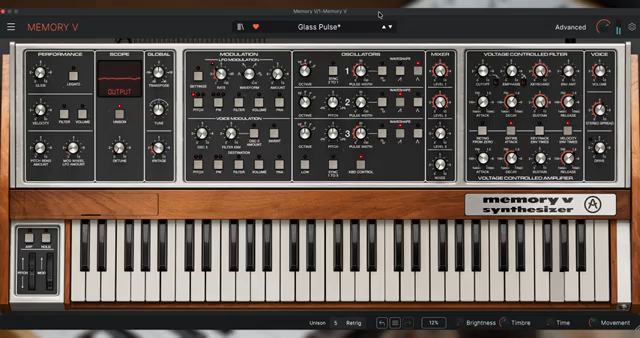
"Bring in a small amount of vintage drift, just enough to spread the voices and add that organic analogue motion."
© Screenshot/Quote: Arturiaofficial (YouTube)
Workflow: Layering, Filtering, and Parameter Play
The workflows demonstrated emphasize a hands-on approach to sculpting sound. Layering is at the heart of each patch, whether it’s thickening the pad with stacked oscillators or grounding the bass with an extra triangle wave. The video highlights how these layers interact, and how each oscillator’s role is defined within the texture.
Parameter adjustment is shown as a creative tool: filter cutoff and resonance are actively shaped to control brightness and movement, while envelopes influence articulation and bloom. The consistent use of effects—chorus for movement, reverb for space, ping pong delay for width—shows an integrated mindset where modulation and spatial processing are core to the workflow. Overall, Memory V’s UI and architecture appear designed to encourage experimentation with layering and parameter interplay, though the video stops short of exploring deeper menu structures or advanced modulation routing.
This article is also available in German. Read it here: https://synthmagazin.at/arturia-memory-v-digitale-nostalgie-analoger-charakter/
More articles about these products:
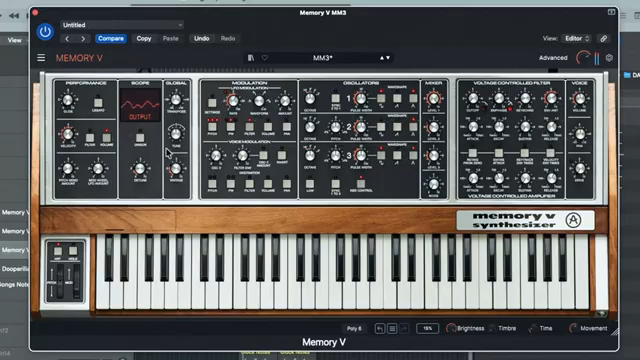
Watch on YouTube:
Latest articles
Watch on YouTube:
Visit the channel:
https://www.youtube.com/ArturiaOfficial
https://www.youtube.com/ArturiaOfficial
Links from ArturiaOfficial:
website: https://www.arturia.com
instagram: https://instagram.com/arturia_official
twitter: https://twitter.com/ArturiaOfficial
soundcloud: https://soundcloud.com/arturia-official/albums
Sponsored links:
If you purchase via these links, we may earn a small commission – at no extra cost to you. The link opens an Amazon keyword search, and results may vary depending on availability.
Arturia Memory V
🔗 Check price on Amazon
🔗 Check price on Amazon