Strap in, mates—Andrew Huang’s gone fossicking in the gear graveyard and dug up the DHM89B2, a vintage French oddball that’s as unpredictable as a BBQ in a hailstorm. In this episode of Weird Gear, Andrew’s playful, genre-hopping style meets a digital delay and pitch shifter from the late ‘70s that’s more chaos box than studio tool. With its companion KB2000 keyboard and a buffet of glitchy tricks, this beast is perfect for anyone who loves their sounds wild, warped, and a bit unhinged. If you’re into experimental jams and sonic curveballs, this one’s a ripper—just don’t expect it to play nice!
16. May 2026
TAS
Andrew Huang Goes Full Glitch Wizard with the DHM89B2: Vintage Weirdness Unleashed
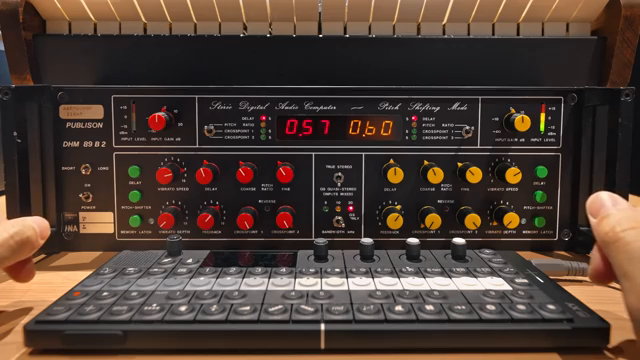
Meet the DHM89B2: Vintage Mayhem in a Box
Andrew Huang kicks things off in true Weird Gear fashion, introducing the DHM89B2—a stereo audio digital computer from the late ‘70s, built by Parisian legends Publison. This thing isn’t just a relic; it’s a full-blown time machine for audio chaos, packing delay and pitch shifting into a box that looks like it survived a disco-era dust storm. Andrew’s residency at the GRM in Paris gave him the perfect playground to unleash this beast, and you can tell he’s smitten from the get-go.
The DHM89B2 isn’t your average delay pedal. It’s got two channels (red and yellow, because why not?), a mirrored-but-not-really layout that’ll have you grabbing the wrong knob more often than a kangaroo at a fruit market, and a personality that’s equal parts brilliant and bonkers. Andrew wastes no time showing off its unpredictable memory glitches—switch a mode or flick off the keyboard, and you’re treated to a burst of sonic haywire. This is vintage gear with a wild streak, and it’s clear Andrew’s ready to wrangle it for all it’s worth.
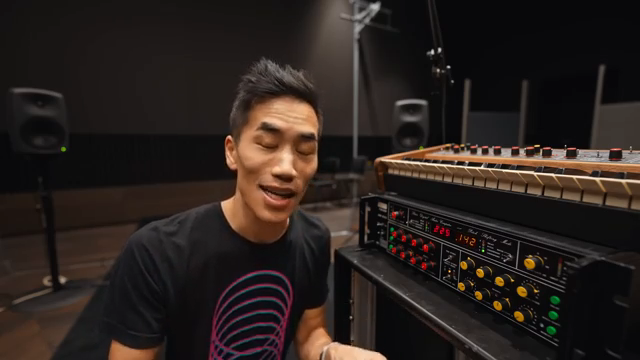
"It's a very early digital delay and pitch shifter, and it sounds wild, and it's designed so weird."
© Screenshot/Quote: Andrewhuang (YouTube)
Glitchy Delays and Pitch-Shifting Pandemonium
"Messing with these time settings often affects the buffer in less predictable ways than what we now typically hear in modern digital delays."
© Screenshot/Quote: Andrewhuang (YouTube)
Diving into delay mode, Andrew demonstrates how the DHM89B2 takes a simple synth sound and turns it into a swirling mess of echoes, feedback, and lo-fi grit. There’s a switch for short and long delay times, plus a bandwidth toggle that messes with the sample rate—meaning your buffer playback speed and delay time go walkabout together. The result? Glitchy, unpredictable textures that modern digital delays can only dream of after a big night out.
Crank the input gain and you’ll get a tasty distortion, but don’t expect clinical precision—this box is all about happy accidents. Flick over to pitch shifter mode and things get even more unhinged. Vibrato, coarse pitch controls, and the ability to mangle your audio with different length and sample rate settings make this a playground for sonic mischief. If you’re the type who loves pushing gear until it breaks (sonically, not literally), the DHM89B2 is your new best mate.
Keyboard Antics: Mic Input and Memory Latch Madness
Now for the real party trick: the KB2000 keyboard controller. Andrew shows how sampling a synth or even his own voice into the buffer lets you play it back chromatically, with options for vibrato and glide that’ll have your samples sliding around like a surfboard in a rip. The keyboard isn’t just a note trigger—it’s a full-on performance tool that accepts a mic input, letting you mangle live audio on the fly.
Memory latch mode is where things get truly bonkers. You can set independent start and end points for each stereo channel, and if you flip them, playback goes in reverse—perfect for those moments when you want your sounds to moonwalk. The biphonic mode lets you alternate notes between channels, creating unpredictable stereo antics that’ll keep even the most jaded sound nerds on their toes. It’s a playground for anyone who loves a bit of chaos in their workflow.
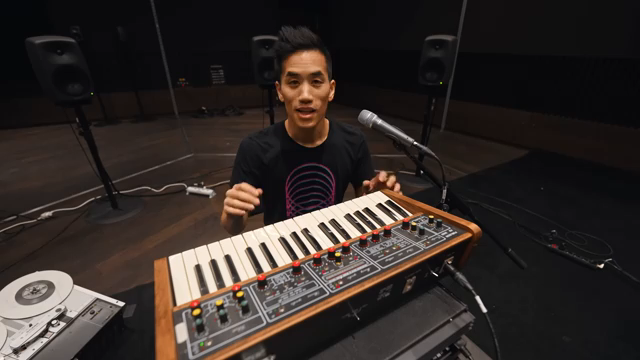
"The keyboard is so cool, so weird, first of all it accepts a mic input, and I gotta keep talking into it as well, so that there's stuff that the keys can play, because this buffer is continually refreshing, unless I use the memory latch mode."
© Screenshot/Quote: Andrewhuang (YouTube)
Quirks, Clicks, and Sonic Surprises: Andrew’s Deep Dive
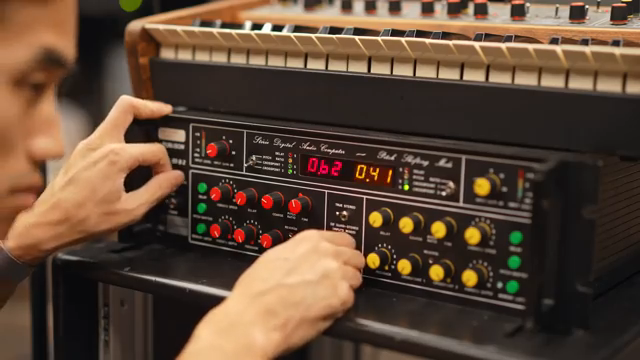
"Some of the noise just seems to be from the switches being old and dirty, the internals of the machine definitely end up in the buffer and that's actually some of my favorite stuff."
© Screenshot/Quote: Andrewhuang (YouTube)
Andrew digs into the quirks that make the DHM89B2 a true oddball. The memory synchro section lets you desynchronise loops between channels, and the old-school crosspoint controls (now called start and end) give you hands-on control over your buffer slices. There’s even a bit of vintage trivia: the original engineers scratched off all the component labels inside so nobody could copy their secret sauce—a move as cheeky as a possum in your picnic basket.
Clicks and noise from crusty switches aren’t just tolerated—they’re celebrated. Andrew reckons some of the best sounds come from the machine’s own internal chaos, and honestly, who are we to argue? Watching him layer mouth sounds and synth blips into a track, you get the sense that the DHM89B2 isn’t just a tool—it’s a collaborator with a mind of its own. But let’s be real: you’ll want to watch the video to hear just how wild this thing gets when Andrew puts it through its paces.
Don’t Just Read—Listen!
To truly cop the madness of the DHM89B2, you’ve got to hear it in action. Andrew’s just dropped a new track, “DHM 89 B2,” showing off what this vintage monster can do when let loose in the studio. Trust me, mate—words can’t do justice to the sonic mayhem. Hit those links, crank the volume, and let your ears go on a bender.
This article is also available in German. Read it here: https://synthmagazin.at/andrew-huang-entfesselt-den-dhm89b2-vintage-glitch-auf-voller-lautstaerke/
Watch on YouTube:
Latest articles
Watch on YouTube:
Visit the channel:
https://www.youtube.com/andrewhuang
https://www.youtube.com/andrewhuang
Links from andrewhuang:
Instagram: https://instagram.com/andrewismusic
Facebook: https://facebook.com/andrewismusic
Bandcamp: https://andrewhuang.bandcamp.com
My plugin: https://babyaud.io/transit
My book: https://andrewhuang.com/book
My online class: https://studio.com/andrew
Flip Sampler: https://flipsampler.com
Join my Patreon: https://patreon.com/andrewhuang
Join my Discord: https://discord.gg/Fu8zwbFQAa
Sponsored links:
If you purchase via these links, we may earn a small commission – at no extra cost to you. The link opens an Amazon keyword search, and results may vary depending on availability.
Publison DHM89B2
🔗 Check price on Amazon
🔗 Check price on Amazon
Publison KB2000
🔗 Check price on Amazon
🔗 Check price on Amazon