Woody Piano Shack takes the CRUMAR SORRENTO organ for a spin – and not just with the rotary sim. This isn’t your nan’s church organ: we’re talking deep-dive territory, with drawbars, vibrato, and enough tonewheel leakage to make any Hammond snob twitch. Woody’s trademark style is part tutorial, part playful roast, and all about wringing the most out of this digital beast. If you’re after a no-nonsense breakdown of what makes the SORRENTO tick, and whether it can actually scratch that B3 itch, you’re in the right rave bunker.
5. November 2025
SPARKY
Woody Piano Shack’s CRUMAR SORRENTO Organ: Hammond Dreams or Digital Daydream?
Digital Organ, Analogue Attitude
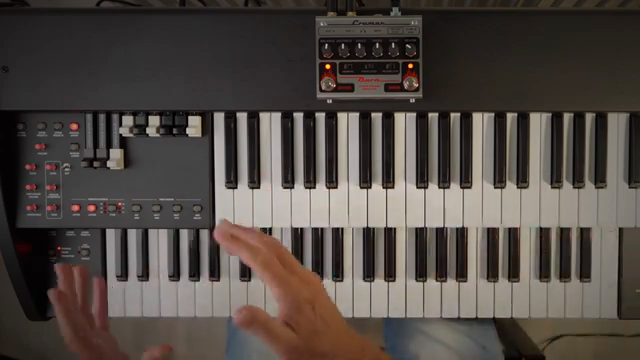
Woody Piano Shack wastes no time: the CRUMAR SORRENTO is on the slab for a forensic Hammond autopsy. This isn’t just another plasticky clonewheel – the SORRENTO promises advanced organ modelling, aiming for the holy trinity of B3, A100, and C3. Woody’s approach is hands-on, with overhead cams and a focus on the real meat: the sound engines and controls.
Right from the off, it’s clear this box is about more than presets. The SORRENTO’s modelling dives deep, offering not just surface-level emulation but a shot at the quirks and grime that make a Hammond sing. Woody’s not here to coddle – if the SORRENTO flops, he’ll say so. But if it slaps, you’ll know it. The vibe is: let’s see if this digital street weapon can actually bring the heat.
Three Engines, One Groove
The SORRENTO packs three distinct organ sound engines: drawbar, spinit, and a Farfisa for the brave (or the masochistic). Woody’s not fussed about the Farfisa – he’s here for the Hammond flavours. The drawbar engine gets the spotlight, with classic 838 settings and that all-important rotary sim. Woody toggles between slow, fast, and stopped Leslie speeds, showing how each setting shapes the vibe.
The real magic? It’s in the details. You get two drawbar presets per manual, quick access for full-on gospel or subtle comping. Woody points out the subtlety in the engine’s overtones, foldback, and even the simulated leakage – all the stuff that separates a proper organ emulation from a cheap preset. And yes, the rotary sim can be bypassed, revealing the digital and spring reverb options. It’s not just about nailing the Hammond sound; it’s about capturing the weirdness and warmth that make it legendary.
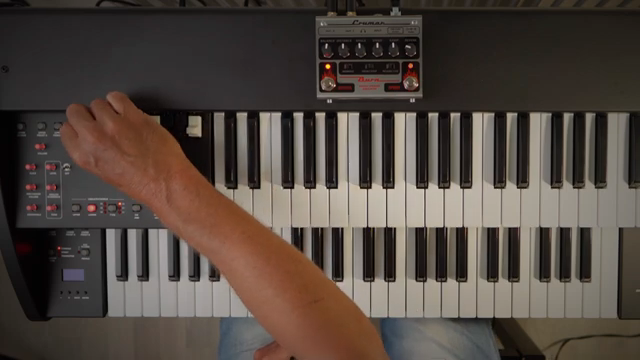
"Can you hear there's a lot of hum and overtones there?"
© Screenshot/Quote: Woodypianoshack (YouTube)
Vibrato, Percussion, and the Cheesy Bits
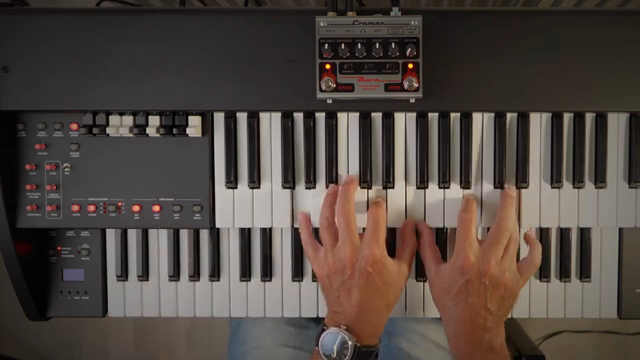
"Very cool. And it kills this drawbar. This has no effect, though. That's actually quite nice."
© Screenshot/Quote: Woodypianoshack (YouTube)
No Hammond emulation is complete without vibrato and percussion, and Woody’s not shy about calling out what works and what doesn’t. The vibrato chorus circuit is switchable per manual, adding that lush, pulsing swirl – or, if you’re unlucky, a dose of cheese straight from the 1970s. Woody admits some vibrato settings make him seasick, but C3 is the sweet spot for most.
Percussion is where things get spicy. Engage it, and you get that classic ping – but it also kills the relevant drawbar, just like the real deal. Woody demonstrates how you can flip between whistly and percussive tones at the press of a button, giving you two sounds for the price of one. The SORRENTO lets you tweak decay, harmonics, and even play percussion solo. It’s all about those expressive touches that separate a lifeless clone from an actual performance tool.
Pro Tips from the Shack
Woody doesn’t just twiddle knobs – he drops knowledge bombs for getting the most authentic Hammond tones. Want more click? Kill the rotary sim and crank the key click. Need to tame the harshness? Roll off the tone on the overdrive circuit. He even points out that the SORRENTO’s assignable knob defaults to ring mod (which he’ll never use), but you can map it to more useful organ parameters if you’re not into sci-fi soundtracks.
There’s a menu for everything: generator boost, crosstalk, vibrato mix, percussion decay – you name it. Woody’s advice? Dive into the manual if you’re a tweak-head, but most players will find the essentials right on the panel. It’s a proper performance rig, not just a studio ornament.
Spot the Difference – SORRENTO’s Secret Sauce
Here’s where Woody throws down the gauntlet: can you actually hear the difference between the console and spinit models? He swaps between them, showing off the subtle shifts in tonewheel emulation and percussion behaviour. The spinit’s percussion works differently, with harmonics you can switch individually – a nice nod to the original hardware’s quirks.
Woody encourages viewers to listen close for the nuances: the leakage, the foldback, the way the vibrato and percussion circuits interact. He’s honest – without a real B3 in the bunker, it’s up to you to judge how close the SORRENTO gets. If you want to catch all the subtlety, you’ll need to watch (and listen to) the video. Some things just don’t translate to text – especially when it comes to organ mojo.
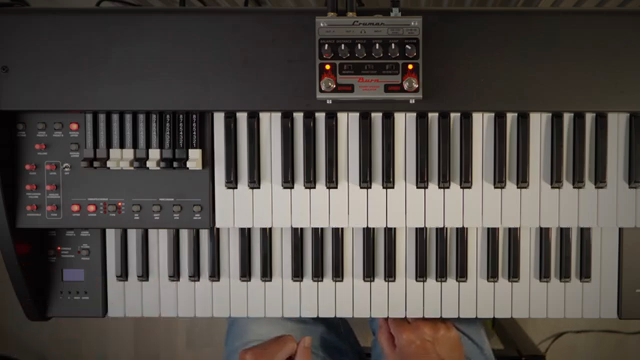
"You be the judge for yourself, how realistic that is, and faithful to the original Hammond organs."
© Screenshot/Quote: Woodypianoshack (YouTube)
This article is also available in German. Read it here: https://synthmagazin.at/woody-piano-shack-und-die-crumar-sorrento-hammond-traeume-oder-digitales-wunschkonzert/
Watch on YouTube:
Latest articles
Watch on YouTube:
Visit the channel:
https://www.youtube.com/WoodyPianoShack
https://www.youtube.com/WoodyPianoShack
Links from WoodyPianoShack:
Website: https://woodypianoshack.com
Patreon: https://patreon.com/woodypianoshack
Twitter: https://twitter.com/woodypianoshack
Instagram: https://instagram.com/woodypianoshack
Facebook: https://facebook.com/woodypianoshack
Sponsored links:
If you purchase via these links, we may earn a small commission – at no extra cost to you. The link opens an Amazon keyword search, and results may vary depending on availability.
CRUMAR SORRENTO
🔗 Check price on Amazon
🔗 Check price on Amazon