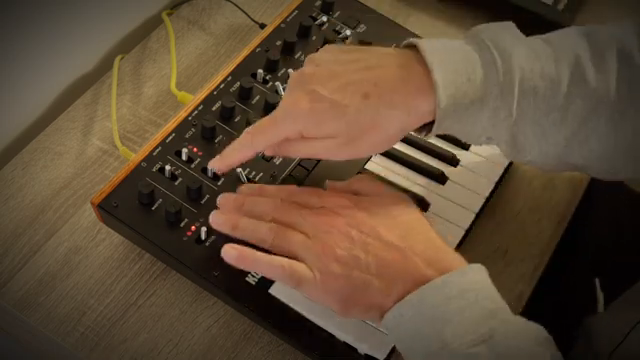
Think you know the Korg Monologue? Think again. Woody Piano Shack dives headfirst into this budget analog monosynth and comes up grinning, fists full of filthy waveforms and subby surprises. In his trademark playful-yet-precise style, Woody rips into the Monologue’s oscillators, exposing tricks that’ll make even seasoned synth heads raise an eyebrow. If you’re after a synth that punches above its weight and don’t mind a few plastic quirks, this one’s for you. Strap in for a ride through morphing shapes, filter voodoo, and sounds that could shake the walls of your local rave bunker.
8. March 2026
SPARKY
Woody Piano Shack Unleashes the Korg Monologue: Small Box, Big Beef
Tiny Box, Massive Attitude
Woody Piano Shack wastes no time getting stuck into the Korg Monologue, calling out its deceptively simple looks and mono output. Don’t let the size or price tag fool you—this thing is all about big, brash analog energy. Right from the off, Woody’s clearly impressed by the Monologue’s ability to churn out massive sounds, even with just a hint of external reverb to keep things from getting too dry.
The Monologue might look like a toy, but Woody’s approach is anything but childish. He’s all about squeezing every drop of character from the oscillators and filter, showing that you don’t need a wall of modular to get some serious sonic muscle. If you’re listening on headphones (and you should), you’ll catch every detail of this synth’s surprisingly hefty output.
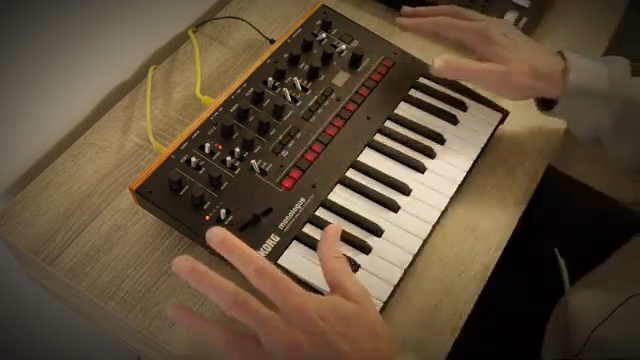
"You can get some massive sounds from this thing."
© Screenshot/Quote: Woodypianoshack (YouTube)
Oscillator Mayhem: Morphing Shapes and Sub Surprises
"Surprisingly amazing variety of sounds you can get from VCO1, even though there's just two controls."
© Screenshot/Quote: Woodypianoshack (YouTube)
The Monologue’s dual voltage controlled oscillators are the stars here, and Woody dives deep into their shape-shifting antics. VCO1 alone offers sawtooth, triangle, and square waves, but the real trick is the shape control—morphing between variations and even sneaking in a sub oscillator for extra weight. It’s the kind of feature that makes you wonder how Korg crammed so much into such a cheap box.
Woody’s not shy about calling out the lack of white lines on the knobs (seriously, Korg?), but he’s quick to forgive when the sounds start flowing. Whether it’s a meaty triangle or a pulse wave that vanishes into silence, the Monologue’s oscillators keep serving up fresh flavours. And with both VCOs in play, you’re looking at a recipe for instant analog chaos.
Filter Voodoo: Resonance as a Secret Weapon
Here’s where Woody gets crafty: using the filter resonance to conjure up extra pitches, almost like adding another oscillator to the mix. Crank the resonance and the Monologue starts singing a new note—sometimes an octave below, sometimes a fifth above, sometimes just pure subby filth. It’s a classic trick, but the Monologue pulls it off with style, especially when you dial in some drive for extra grit.
Woody’s filter explorations are a reminder that sometimes the best sounds come from abusing the basics. With filter tracking maxed and the resonance howling, you can turn this synth into a sub-bass monster or a shimmering lead—no menu diving required. If you’ve never played the filter like an instrument, this section alone is worth a watch.
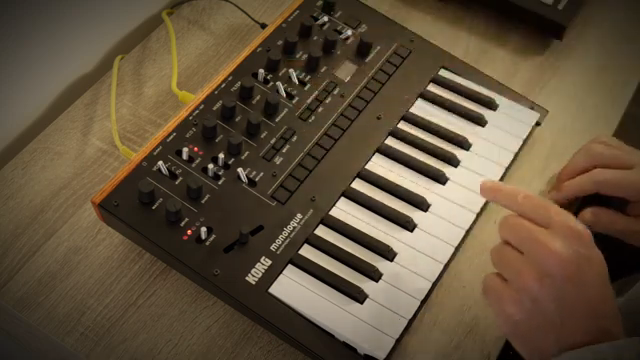
"Let's add a ton of resonance till we start hearing an extra pitch in the sound."
© Screenshot/Quote: Woodypianoshack (YouTube)
Demo Time: Beefy Tones for Every Genre
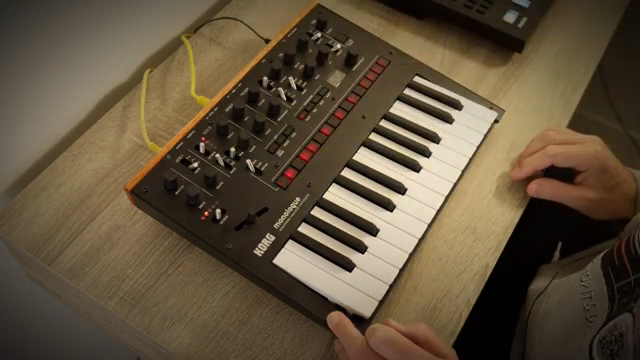
"It amazes me what this little thing can do. The sound is so beefy and the sequencer is a lot of fun as well."
© Screenshot/Quote: Woodypianoshack (YouTube)
The demo section is where the Monologue really flexes. Woody layers up both oscillators, tweaks the shape controls, and lets the filter rip—delivering a barrage of thick, gnarly sounds that would sit just as well in techno as in synthwave. The subs are massive, the leads cut through, and the drive circuit adds just the right amount of dirt.
It’s not just about raw power, though. Woody shows how the Monologue’s sequencer and slidey keyboard add performance flair, making it a proper street weapon for live jams or studio sketching. If you’re after a synth that can go from smooth to savage in a heartbeat, this demo proves the Monologue’s got the goods.
Why You Need to Watch: Secrets in the Sound
Woody wraps up with a nudge to check out the full video—because let’s be honest, words can only take you so far. The real magic is in the sound, and there are patching tricks and performance moves here that just don’t translate to text. If you want to hear how beefy, weird, or downright fun the Monologue can get, you’ll need to plug in your headphones and dive in.
For anyone on the fence about this little Korg, Woody’s hands-on style and cheeky commentary make the case better than any spec sheet ever could. Don’t sleep on the Monologue—watch the video and get inspired to cook up your own analog mischief.
This article is also available in German. Read it here: https://synthmagazin.at/woody-piano-shack-entfesselt-den-korg-monologue-kleine-kiste-fetter-sound/
Watch on YouTube:
Latest articles
Watch on YouTube:
Visit the channel:
https://www.youtube.com/WoodyPianoShack
https://www.youtube.com/WoodyPianoShack
Links from WoodyPianoShack:
Website: https://woodypianoshack.com
Patreon: https://patreon.com/woodypianoshack
Twitter: https://twitter.com/woodypianoshack
Instagram: https://instagram.com/woodypianoshack
Facebook: https://facebook.com/woodypianoshack
Sponsored links:
If you purchase via these links, we may earn a small commission – at no extra cost to you. The link opens an Amazon keyword search, and results may vary depending on availability.
Korg Monologue
🔗 Check price on Amazon
🔗 Check price on Amazon