Roland’s Juno D6 isn’t just another plastic-fantastic synth—Woody Piano Shack dives in and shows us why its Scenes and sequencer are more than just menu-diving faff. If you’re after instant groove, layered textures, and a few happy accidents, this is your kind of playground. Woody’s style is as playful as ever, breaking down the workflow without the usual snooze-fest. Stick around for live jams, real talk about limitations, and a few classic Roland sounds that still slap. If you think you know the Juno D6, think again—this one’s got more tricks up its sleeve than you’d expect.
18. December 2025
SPARKY
Woody Piano Shack Unleashes the Juno D6: Scenes, Sequencer, and Sonic Mischief
Scene of the Sonic Crime
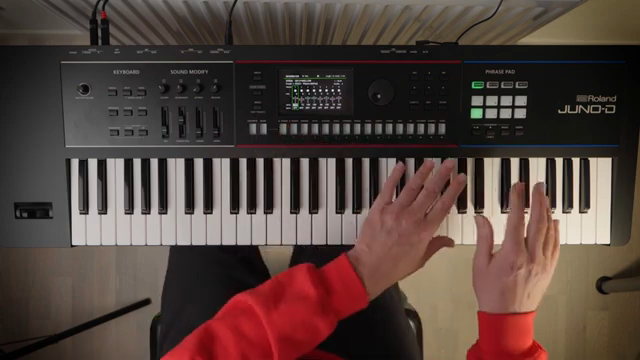
Woody Piano Shack wastes no time getting his hands dirty with the Roland Juno D6, spotlighting its sequencer and the almighty Scene function. Scenes here aren’t just presets—they’re full-on sonic blueprints, letting you recall complex setups at the press of a button. For anyone who’s ever wished for an extra pair of hands (or sixteen), this is your ticket to multitasking mayhem.
The sequencer’s not just a tacked-on afterthought. Woody shows how you can quickly throw down rhythm grooves and layer up sounds, making the D6 a proper tool for sketching ideas or prepping for a live set. It’s all about speed and flexibility—no menu-diving marathons required. This is the kind of workflow that keeps the rave bunker moving.
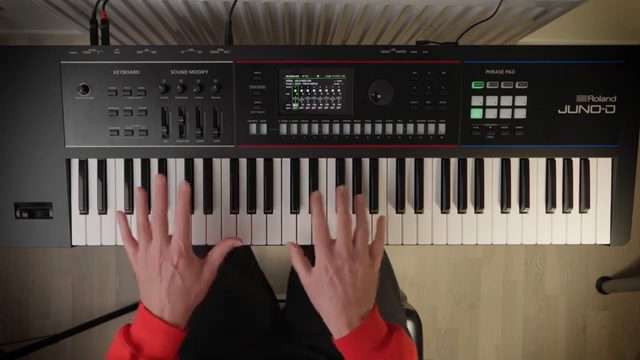
"Maybe even want to just throw down a cool little rhythm groove. Well it's very easy to do here."
© Screenshot/Quote: Woodypianoshack (YouTube)
Eight-Voice Mayhem: Scenes Explained
A Scene on the Juno D6 is more than just a fancy name—it’s a mashup of up to eight sounds, with one rhythm track and seven synth tones of your choosing. Woody breaks it down, showing how you can mix and match to taste, from classic Roland string pads to lo-fi drum kits that punch above their weight.
This setup isn’t just for bedroom noodling. With instant recall and hands-on control, Scenes transform the D6 into a live performance street weapon. Whether you’re jamming solo or prepping for a gig, the ability to swap entire sonic worlds in a flash is a game changer. Don’t let the plastic fool you—this thing can handle serious business.
Loop Soup: Four Bars of Fun
"With a bit of trial and error you're going to make mistakes, fluff things up. Just got to do it again."
© Screenshot/Quote: Woodypianoshack (YouTube)
Woody serves up a four-bar loop he cooked earlier, walking us through each isolated track. From echoing polysynths to lush string pads, every layer gets its moment in the spotlight. It’s a reminder that building up a composition on the D6 is as much about happy accidents as it is about planning.
The process isn’t always glamorous—selecting sounds and recording sequences can get a bit tedious, especially if you’re a perfectionist. But Woody’s approach is refreshingly honest: embrace the trial and error, fluff a few takes, and keep the groove moving. If you want the full flavour (and a few mistakes), you’ll have to watch the video yourself.
Sequencer: Power and Pitfalls
The sequencer on the Juno D6 is a mixed bag—powerful enough for quick jams, but not without its quirks. Woody points out the 16-step limit for rhythm tracks and the 64-step ceiling for other parts. It’s not exactly Elektron-level deep, but it gets the job done if you work within its boundaries.
Overdubbing is a breeze, and the velocity-sensitive drum kits add some real spice. Still, you’ll hit the occasional wall—like wishing for more bars or getting tangled in the workflow. Woody doesn’t sugarcoat it: the sequencer is practical, but you’ll need patience (and maybe a bit of luck) to avoid frustration. For live tweaks and quick ideas, though, it’s a solid ally.
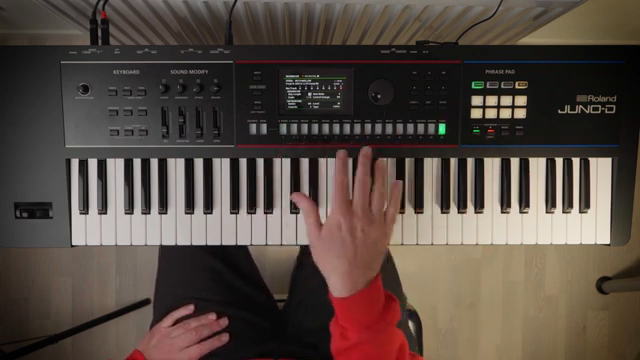
"I wish you could do 16 bars but you can't. 16 steps."
© Screenshot/Quote: Woodypianoshack (YouTube)
Jam Time: The D6 in Action
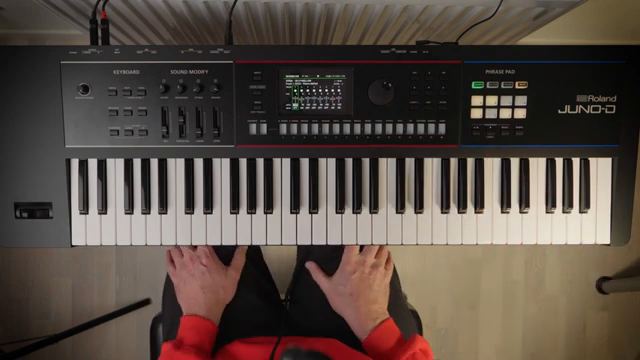
"Next time you fancy having a jam or perhaps even in a performance situation. Pretty cool feature."
© Screenshot/Quote: Woodypianoshack (YouTube)
Woody wraps things up with a live improv, stacking up layers and riffing on the fly. The Juno D6’s sound palette shines here—deep bass, shimmering pads, and those unmistakable Roland drums. It’s not just about programming; it’s about reacting, muting, unmuting, and letting the machine surprise you.
If you want to see the D6’s real power, you need to watch Woody’s hands in action. The magic is in the performance—the little tweaks, the spontaneous riffs, and the way everything comes together. For anyone looking to jam, gig, or just mess about, the Juno D6 proves it’s more than a relic—it’s still got plenty of rave left in its bones.
This article is also available in German. Read it here: https://synthmagazin.at/woody-piano-shack-entfesselt-den-juno-d6-scenes-sequencer-und-klangchaos/
Watch on YouTube:
Latest articles
Watch on YouTube:
Visit the channel:
https://www.youtube.com/WoodyPianoShack
https://www.youtube.com/WoodyPianoShack
Links from WoodyPianoShack:
Website: https://woodypianoshack.com
Patreon: https://patreon.com/woodypianoshack
Twitter: https://twitter.com/woodypianoshack
Instagram: https://instagram.com/woodypianoshack
Facebook: https://facebook.com/woodypianoshack
Sponsored links:
If you purchase via these links, we may earn a small commission – at no extra cost to you. The link opens an Amazon keyword search, and results may vary depending on availability.
Roland Juno D6
🔗 Check price on Amazon
🔗 Check price on Amazon