Verbos Electronics, the Berlin-based purveyors of West Coast–flavoured Eurorack, return with a deep dive into the Voltage Multistage 16 as a multistage LFO generator. This official walkthrough showcases the module’s knack for conjuring complex, evolving modulation patterns—think nested LFO shapes, strobe-triggered voltage jumps, and hands-free time modulation. If you’re after modulation that’s more Buchla than basic, this video is a patch-oriented treat. Let’s see how Verbos’ outside-in design philosophy translates to dynamic voltage sculpting and real-world patching tricks.
3. December 2025
MILES
Verbos Electronics Voltage Multistage 16: Multistage LFO Mayhem in Eurorack
A Multistage LFO Playground
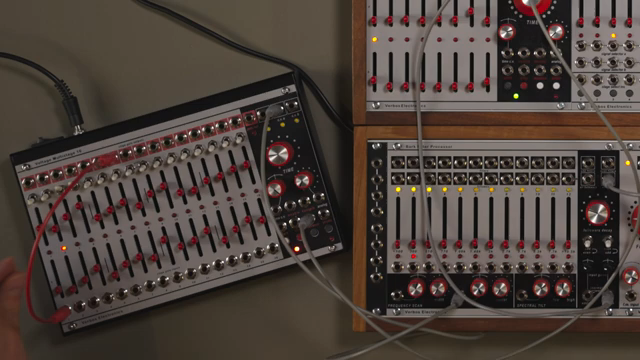
The Voltage Multistage 16 is introduced here not just as a sequencer, but as a highly flexible multistage LFO generator. Verbos Electronics position it as a tool for crafting intricate modulation patterns, moving well beyond simple cyclic shapes. The module’s ability to define unique voltage stages and loop points means you can sculpt modulation curves that would be awkward or impossible with traditional LFOs.
What stands out in this approach is the focus on modularity within modulation itself—each stage can be tailored, and the looping behaviour can be set to suit evolving patches. This opens the door to a wide range of modulation duties, from subtle filter sweeps to wild, stepped voltage excursions, all within a single module.
Nested LFOs and Voltage Hopping
One of the Voltage Multistage 16’s headline features is its ability to nest LFO shapes and jump between voltage sections on the fly. Using the strobe button and stage select, the user can instantly switch from one bank of voltages to another, effectively morphing the modulation shape mid-patch. This is particularly handy for live performance or evolving generative patches where static LFOs just won’t cut it.
The video demonstrates how, by engaging the strobe, you can capture and hold a new voltage section, giving you a fresh LFO shape at the press of a button. This nested approach means you’re not limited to a single repeating pattern—multiple unique LFOs can coexist, ready to be triggered or swapped as needed.
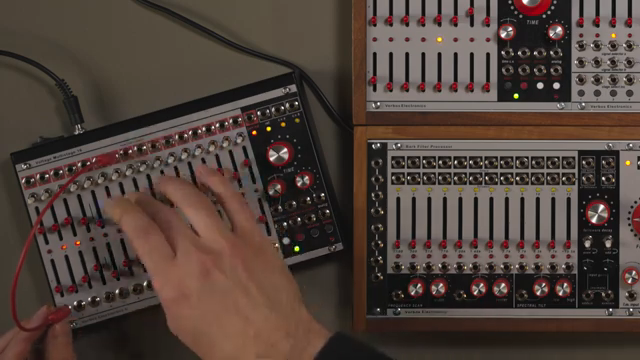
"We can effectively treat this like one section of voltage and by engaging, for instance, the strobe button, we can jump around to another section of voltage."
© Screenshot/Quote: Verboselectronicsgmbh (YouTube)
Dynamic Modulation: Filters, Slides, and Time
"By engaging the switch in the top position, we're introducing a slide."
© Screenshot/Quote: Verboselectronicsgmbh (YouTube)
The demonstration moves into practical territory, showing how the Voltage Multistage 16’s outputs can be routed to modulate filter positions—specifically, the center of a Bark Filter. By patching the top row of voltages into the filter, the video illustrates how modulation can be tightly integrated with sound shaping, yielding lively and organic results.
A key trick highlighted is the introduction of slides between voltage steps. By flipping a switch, the module transitions from stepped to sliding voltages, allowing for smooth, gliding modulations. The time control further extends this by letting you dial in the duration of these transitions. For hands-free operation, the B row can be used to automate the time parameter, freeing up the performer and opening up even more dynamic possibilities.
Automated Strobes and LFO Section Integration
Taking things further, the video explores automating the strobe function. By sending a pulse from the Voltage Multistage into the sequence selector’s advanced input, the system can jump between LFO sections without manual intervention. This allows for seamless integration between multiple LFO shapes, creating modulation that evolves over time or responds to other events in the patch.
The result is a patch that can move fluidly between different rhythmic or voltage patterns, with the strobe input acting as a gateway to new modulation territories. The demonstration closes with tweaks to the width and decay of the modulation, showing how the module’s controls interact to produce complex, shifting envelopes—ideal for adventurous sound design or generative systems.
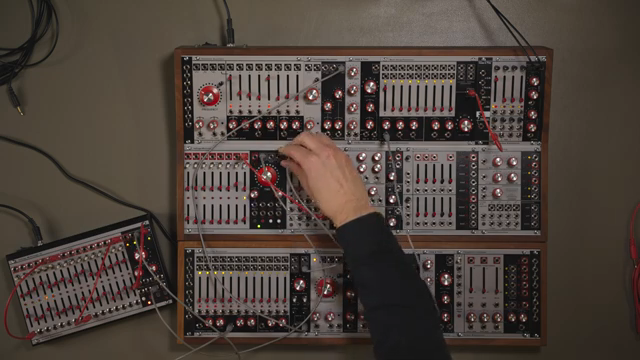
"Every time it reaches this first step, it's going to send a pulse to the strobe input."
© Screenshot/Quote: Verboselectronicsgmbh (YouTube)
This article is also available in German. Read it here: https://synthmagazin.at/verbos-electronics-voltage-multistage-16-multistage-lfo-wahnsinn-im-eurorack/
Watch on YouTube:
Latest articles
Watch on YouTube:
Visit the channel:
https://www.youtube.com/VerbosElectronicsGmbH
https://www.youtube.com/VerbosElectronicsGmbH
Links from VerbosElectronicsGmbH:
website: https://www.verboselectronics.com
tech_cards: https://www.verboselectronics.com/tech-cards
instagram: https://www.instagram.com/verboselectronics
Sponsored links:
If you purchase via these links, we may earn a small commission – at no extra cost to you. The link opens an Amazon keyword search, and results may vary depending on availability.
Voltage Multistage 16
🔗 Check price on Amazon
🔗 Check price on Amazon