Verbos Electronics, the Berlin-based modular stalwart, takes us deep into the design and philosophy behind their Voltage Multistage 16. Mark Verbos himself lays out the module’s journey from classic inspiration to modern performance tool, blending West Coast sequencing DNA with a tactile, panel-driven approach. This video isn’t just a product demo—it’s a meditation on how interface, workflow, and user feedback shape the evolution of a control voltage generator that’s as comfortable as an envelope or LFO as it is in the sequencer’s chair. For those who care about how a module feels in the rack and what it unlocks in a live patch, this is essential viewing.
14. November 2025
MILES
Verbos Electronics: Voltage Multistage 16 – Evolution of a Patchable Powerhouse
A Control Voltage Generator for the Modern Modularist
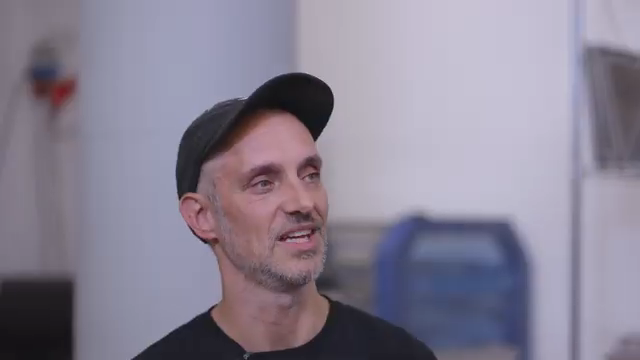
The Voltage Multistage is introduced as a module that transcends the boundaries of traditional sequencers, positioning itself as a versatile control voltage generator. Mark Verbos explains that the initial concept was to create a device capable of serving not only as a sequencer but as any type of control voltage source—whether that’s a multistage envelope, an LFO of variable shape, or something undefined and experimental.
This approach is rooted in the desire for dynamic musical expression and seamless integration into performance setups. Rather than being tied to a single function, the Voltage Multistage is designed to adapt to the needs of the patch, encouraging users to explore beyond conventional roles and discover new ways to shape their sound in real time.

"The concept was a module that would function not just as a sequencer, but any type of control voltage generator."
© Screenshot/Quote: Verboselectronicsgmbh (YouTube)
Feature Set: Slides, Gates, and Modular Flexibility
"To look at the voltage multistage as a sequencer is to miss out on the possibilities, because it's a flexible platform that, within the context of patching, can be used in a lot of different ways."
© Screenshot/Quote: Verboselectronicsgmbh (YouTube)
Key to the Voltage Multistage’s appeal is its ability to morph between roles: it can act as a multistage envelope, an LFO, or a sequencer, with the added twist of switchable slides and gates. This flexibility is not just theoretical—Verbos highlights how the module’s design supports undefined control voltage processing, opening doors for creative patching.
By allowing users to switch between slides and gates, the module invites a hands-on approach to modulation and sequencing. The focus here is on providing a platform that adapts to the musician’s intent, whether that’s generating evolving envelopes, rhythmic patterns, or complex modulations, all within a single, panel-driven interface.
From Eight to Sixteen: Evolving the Multistage
The evolution from the original eight-stage design to the new 16-stage format is a direct response to user feedback and the changing needs of modular musicians. Verbos recounts how users frequently asked for more stages, prompting a fundamental rethink rather than a simple doubling of length.
Instead of just extending the existing module, the design was revisited from the ground up. The result is not only a longer sequence but also expanded functionality that leverages the new format. Sixteen stages aren’t just about more steps—they unlock new creative possibilities, making the module more than just a sequencer and pushing it into unexplored territory for modulation and control.
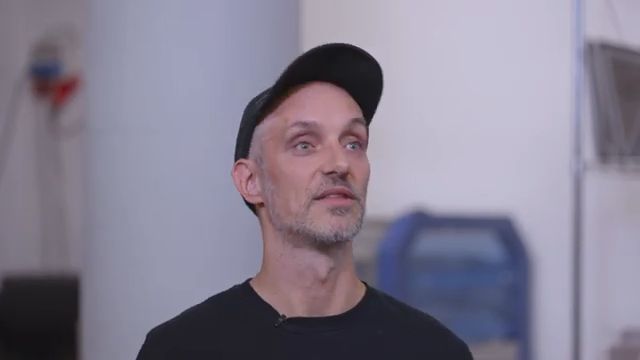
"The new functionality really begs for more stages."
© Screenshot/Quote: Verboselectronicsgmbh (YouTube)
Touch, Flow, and the Art of Interface Design

"The user experience of making music involves a lot more than just things like the signal to noise ratio or the current consumption or all the specs, the user experience is about how it feels to reach out and touch something, how it feels to be inspired by a workflow."
© Screenshot/Quote: Verboselectronicsgmbh (YouTube)
User experience is at the heart of Verbos Electronics’ design philosophy, and this is evident in every aspect of the Voltage Multistage 16. The tactile quality of the controls, the feel of the panel, and the robustness of the hardware are all deliberate choices aimed at inspiring confidence and creativity in the user.
Verbos discusses the importance of material choices, such as thick powder-coated panels and enamel silkscreening, which contribute to a sense of substance and reliability. The layout is carefully considered: inputs at the bottom, controls in the middle, and outputs at the top, guiding the flow of music from the performer through the instrument and out into the world.
This attention to interface isn’t just about aesthetics or ergonomics—it’s about facilitating a musical flow that feels natural and intuitive. Every design decision, from the placement of jacks to the size of knobs, is made with the musician’s experience and inspiration in mind.
Classic Inspiration, Modern Relevance
The presentation closes by reflecting on the importance of evolving synthesizer concepts rather than simply replicating the past. Verbos is clear that the goal isn’t to clone vintage modules, but to learn from their strengths and adapt those ideas for contemporary music-making.
By drawing on classic designs while pushing forward with new features and workflows, the Voltage Multistage 16 aims to remain relevant in today’s modular landscape. It’s a philosophy that values both heritage and innovation, ensuring that the module serves not just as a nod to history but as a tool for modern creative exploration.
This article is also available in German. Read it here: https://synthmagazin.at/verbos-electronics-voltage-multistage-16-evolution-eines-patchbaren-kraftpakets/
Watch on YouTube:
Latest articles
Watch on YouTube:
Visit the channel:
https://www.youtube.com/VerbosElectronicsGmbH
https://www.youtube.com/VerbosElectronicsGmbH
Links from VerbosElectronicsGmbH:
website: https://www.verboselectronics.com
tech_cards: https://www.verboselectronics.com/tech-cards
instagram: https://www.instagram.com/verboselectronics
Sponsored links:
If you purchase via these links, we may earn a small commission – at no extra cost to you. The link opens an Amazon keyword search, and results may vary depending on availability.
Voltage Multistage 16
🔗 Check price on Amazon
🔗 Check price on Amazon