Sequencers: the unsung heroes of electronic music, and The Unperson is here to drag them out of the shadows and into the rave bunker. In this no-fluff guide, we get a whistle-stop tour through classic stepper action, modern hands-free jamming, and the kind of probability tricks that make your DAW weep. The Unperson’s style is straight-up hardware hustle—no presets, no prisoners, just pure groove science. If you think all sequencers are born equal, prepare to have your patch cables tangled.

1. December 2025
SPARKY
The Unperson’s Sequencer Showdown: From Vintage Steps to Probability Chaos
Arturia Beatstep Pro, Mother 32, Oct Tone, Oxi One, Pam's New Workout
Sequencers: The Backbone of the Bunker
Sequencers have been the engine room of electronic music since the days when synths looked like telephone exchanges and weighed as much as a small car. The Unperson kicks things off by dropping some synth history—think Buchla Model 123 and Moog 960—before getting right to the meat: what a sequencer actually does and why you should care. Forget the textbook definitions; this is about voltage, gates, and the raw machinery of groove.
But it’s not just nostalgia for blinking lights and patch cables. The Unperson makes it clear that sequencers are still the secret sauce behind modern electronic music, and their evolution has been wild. From the rigid step patterns of old-school gear to today’s polymetric playgrounds, sequencers have gone from glorified note repeaters to full-blown composition engines. If you’re not using one, you’re basically DJing with a toaster.
Oct Tone and Beatstep Pro: Step Up or Step Out
First up, the Oct Tone from Glasgow Synth Guild gets the spotlight. This thing is like a vintage stepper with a few modern steroids—8 steps, gate and pitch per step, and enough visual feedback to keep your eyes as busy as your ears. The Unperson patches it into a Mother 32, dials in some polymeters, and shows off quantisation, pendulum patterns, and random modes. It’s a proper hands-on demonstration of why step sequencing still slaps.
Then it’s over to the Arturia Beatstep Pro, which The Unperson calls one of the best value sequencers out there. Two melodic sequencers, a drum sequencer, and real-time recording mean you can build evolving jams on the fly. Saving up to 16 sequences per track? That’s not just handy, it’s a full-on performance weapon. If you want to see how modern sequencing lets you break out of the grid, this is the bit to watch.
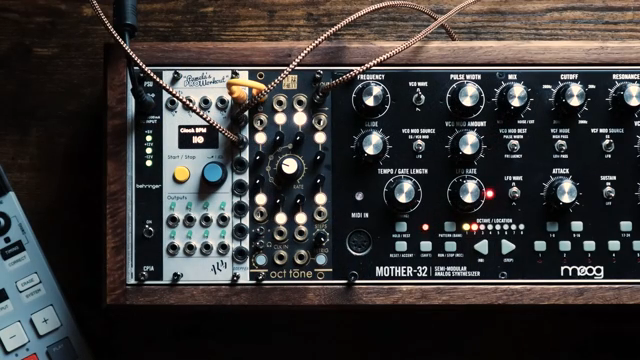
"It's probably the closest thing I have to those vintage sequencers."
© Screenshot/Quote: Theunperson (YouTube)
Oxi One: Probability and Happy Accidents
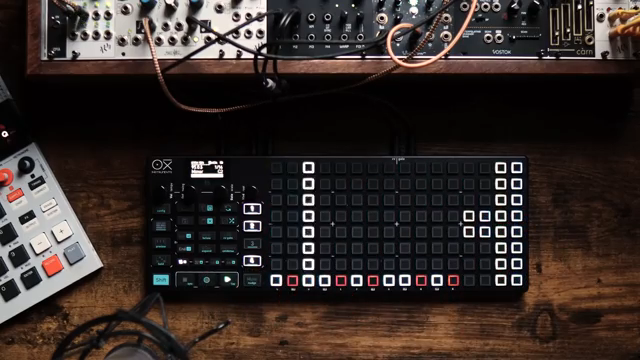
"I would say it's a bit of a step up from the Beatstep Pro both in functionality and in price."
© Screenshot/Quote: Theunperson (YouTube)
Enter the Oxi One, where things get spicy with probability sequencing. The Unperson dives into stochastic mode—set your scale, tweak the probability for each note, and let the machine throw some dice. Want a note to hit every time? Crank it to 100%. Want chaos? Drop it to 50% and see what sticks. You can even lock in a random pattern once you find something tasty, or throw in octave shifts and more notes for extra madness.
This isn’t just random for the sake of it; it’s a proper idea generator for when your inspiration tank is running on fumes. The Oxi One’s multiple sequencers mean you can layer up happy accidents until you stumble on a groove worth keeping. If you’re tired of predictable patterns, this is the sequencer that’ll keep you guessing—and grinning.
Pam’s New Workout: Quantized Mayhem
Now for a left turn: Pam’s New Workout, the module that turns chaos into something you can actually dance to. The Unperson patches up a sample and hold LFO, runs it through a quantiser, and suddenly those random voltages start spitting out musical sequences. The real trick? You can loop sections of the randomness, capturing little moments of magic and repeating them until you’re ready to roll the dice again.
It’s a clever hack for generating sequences from thin air—perfect for sound designers who want something less predictable than a step sequencer but more controlled than pure noise. The Unperson even doubles down by running a similar patch into another voice, proving that with Pam’s, you’re only ever a knob twist away from a new sonic street weapon. Want to see how it actually sounds? Trust me, you’ll want to hit play on the video for this bit.
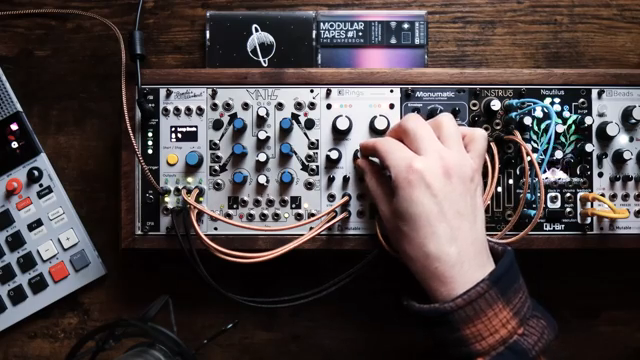
"That's a really lovely way to generate sequences from nothing, really."
© Screenshot/Quote: Theunperson (YouTube)
Sequencer Love: Your Turn
The Unperson wraps things up by throwing the question back to the crowd: what’s your favourite sequencer? With shoutouts to classics like the Intellijel Metropolis and the Turing Machine, it’s clear there’s no single right answer—just a world of options for every flavour of electronic mischief. If you’ve got a sequencer that kicks like a drunken horse, now’s the time to shout about it in the comments.
This article is also available in German. Read it here: https://synthmagazin.at/the-unpersons-sequencer-showdown-von-vintage-steps-bis-wahrscheinlichkeits-chaos/
Watch on YouTube:
Latest articles
Watch on YouTube:
Visit the channel:
https://www.youtube.com/TheUnperson
https://www.youtube.com/TheUnperson
Links from TheUnperson:
patreon: https://patreon.com/theunperson
gumroad: https://theunpers0n.gumroad.com/
instagram: https://instagram.com/the_unpers0n
bandcamp: https://theunperson.bandcamp.com/
Sponsored links:
If you purchase via these links, we may earn a small commission – at no extra cost to you. The link opens an Amazon keyword search, and results may vary depending on availability.
Arturia Beatstep Pro
🔗 Check price on Amazon
🔗 Check price on Amazon
Mother 32
🔗 Check price on Amazon
🔗 Check price on Amazon
Oct Tone
🔗 Check price on Amazon
🔗 Check price on Amazon
Oxi One
🔗 Check price on Amazon
🔗 Check price on Amazon
Pam's New Workout
🔗 Check price on Amazon
🔗 Check price on Amazon