OXI ONE MK2 just got a firmware adrenaline shot, and The Midlife Synthesist is here to show us why we should care. If you thought sequencers were getting stale, think again – Domino and Saga drop in with moves that could shake your DAW off the desk. Add a Chord Palette that actually nudges you out of your harmonic rut, and you’re looking at a groovebox that refuses to play it safe. The Midlife Synthesist brings his trademark charm and clarity, slicing straight to the weird, wild core of these updates. Strap in – this isn’t your nan’s step sequencer.
31. May 2026
SPARKY
The Midlife Synthesist Raises the Game: OXI ONE MK2 2.0 – Sequencer Mayhem Unleashed
2.0 Firmware: The OXI Gets Its Edge Back
The OXI ONE MK2 has hit its first birthday, and instead of cake, Oxi Instruments has thrown us a firmware party. Version 2.0 isn’t just a polish – it’s a full-on feature dump, with updates coming so fast even seasoned users can barely keep up. The Midlife Synthesist wastes no time setting the scene: OXI’s devs are relentless, and this box is evolving right under our noses.
What’s actually new? The headline acts are two sequencer modes – Domino and Saga – that break the usual gridlock and inject some much-needed chaos back into the workflow. If you’re tired of vanilla step sequencing, this update feels like a sly wink from the developers, daring you to get weird. The video’s vibe is clear: this isn’t just progress, it’s a proper upgrade for anyone bored with the usual suspects.
Domino & Saga: Sequencing for the Restless
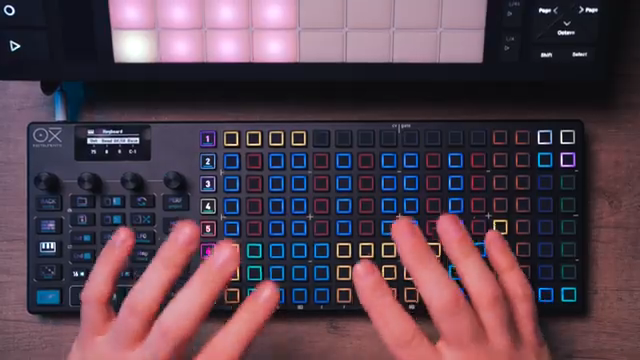
Domino and Saga are the OXI’s new party tricks, and they’re anything but subtle. The Midlife Synthesist lays it out: these modes aren’t just fresh, they’re actually usable – a rare combo in the world of ‘innovative’ MIDI tools. Domino splits note and trigger sequencing, while Saga lets you sculpt note duration in ways that make old-school step sequencers look like abacuses.
Best part? You don’t need a PhD in grid maths to get results. Both modes are demoed in a live rig, with Domino driving one track and Saga another, all harmonised to a master chord progression. It’s hands-on, fast, and the creative potential is obvious from the jump. If you want to see these sequences in action, the video’s performance snippets are where the real magic happens.

"Domino and Saga might be some of the most refreshing and innovative as well as accessible MIDI sequencing tools I've seen in a while."
© Screenshot/Quote: Midlifesynthesist (YouTube)
Chord Palette: Your New Harmonic Co-conspirator
"This new Chord Palette, which is a dynamic buffet of chords that Oxi offers up as suggestions to where your progression can go next."
© Screenshot/Quote: Midlifesynthesist (YouTube)
The Chord Palette isn’t just a polite option – it’s a nudge down the musical rabbit hole. Instead of locking you into your usual four-chord loop, it throws out dynamic suggestions based on your current progression. Major, minor, suspended, or weird jazz territory – it’s all there, and it dares you to break your own habits.
Sure, you still have to use your ears, but this feature is a fast lane to new ideas. The Midlife Synthesist shows how it can lead to progressions you’d never normally pick, making it a genuine creativity booster. If you’re stuck in a rut, this is the feature that’ll yank you out by the collar.
Domino Mode: Split Personality Grooves
Domino mode throws out the old rulebook by separating notes and triggers into their own lanes. Forget the classic step-sequencer handcuffs – now you can run two parallel sequences and create grooves that’d tie a conventional sequencer in knots. Notes sit on top, triggers below, and velocity’s just a quick twitch away.
This split lets you cook up everything from stuttering rhythms to evolving patterns that change with a flick of the wrist. The Midlife Synthesist demonstrates how you can swap notes or triggers for instant new flavours, keeping things intuitive but flexible. It’s experimental, but not in a way that’ll make you cry – the groove stays locked, but the possibilities spiral outwards. For a real sense of what Domino can do, you’ll want to catch the demo jams in the video – words won’t capture those twists.
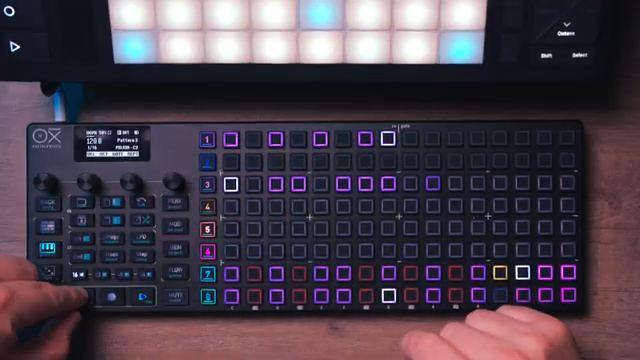
"It's really fun to mess around with, and it becomes surprisingly intuitive after a little while."
© Screenshot/Quote: Midlifesynthesist (YouTube)
Saga Mode: Ditch the Grid, Embrace the Unknown

"Both of these new modes are a nice change of pace from traditional sequencing without becoming overwhelming or overly complicated."
© Screenshot/Quote: Midlifesynthesist (YouTube)
Saga mode is for the sequence nihilists among us – each step stands alone, with duration set in the menu, not just by filling grid squares. The result? Sequences that mutate, stretch, and refuse to loop in the boring way. The video admits: you won’t get it from the manual – you have to get your hands dirty. But once you do, the pay-off is real.
By tweaking durations, you can create evolving lines that never quite repeat, or cleverly lock things back into a groove when you want to. The Midlife Synthesist shows how easy it is to go from subtle tweaks to total rhythmic anarchy. If your music’s stuck in a step-sequencer rut, Saga is the way out. Want to see how far it goes? The video’s examples are a must-watch – no written description does this mode justice.
This article is also available in German. Read it here: https://synthmagazin.at/the-midlife-synthesist-hebt-das-level-oxi-one-mk2-2-0-sequencer-chaos-entfesselt/
More articles about these products:
 Rapid Flow’s 2026 MIDI Controller Rundown: Real-World Rigs, No Mouse, No Nonsense
 The Midlife Synthesist: Three’s a Party – Chopping Up Grooves with Pro 3, Push 3 & Nord Stage 3
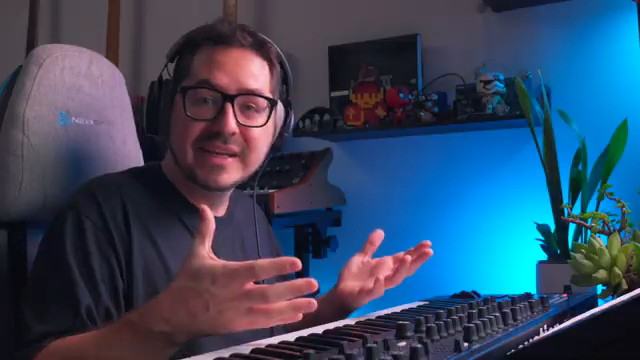 The Midlife Synthesist Ditches Complexity: Summit & Push 3 Go Back to Basics
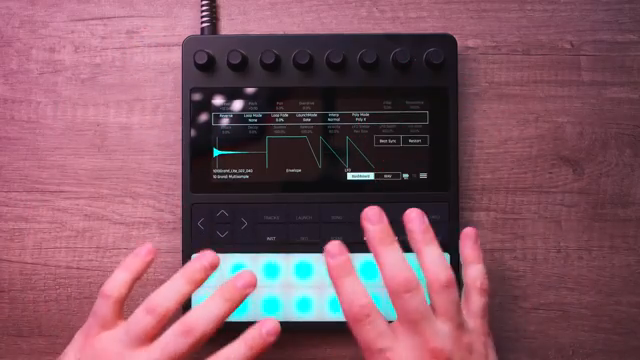 The Midlife Synthesist Puts 1010music Bento Through Its Paces: First Impressions from the Sonic Trenches
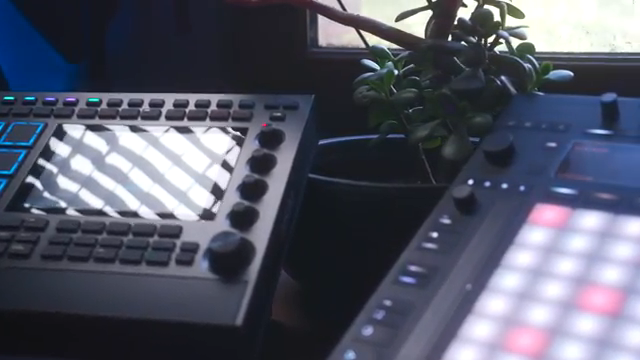 The Midlife Synthesist Throws Down: MPC Live 3 vs Ableton Push 3 – Who’s the Standalone King?
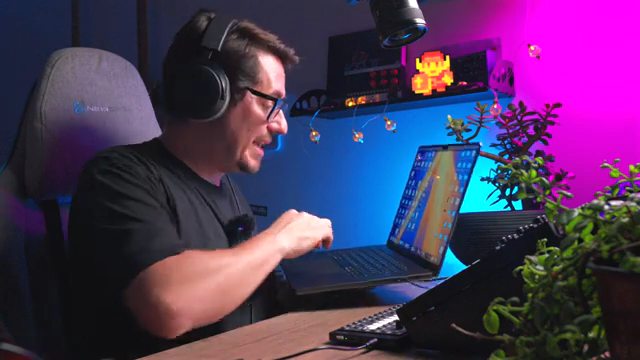 MidlifeSynthesist Unveils the Groove After Firmware 1.3
 Mastering Polyphony: MidlifeSynthesist’s Streetwise Tips
 Taetro’s Synth Setup: The Streetwise Groove Machine
 LNADoesAudioStuff: Slapping Beats in 10 Minutes with Ableton Push
 MidlifeSynthesist’s Fast Lane with the Oxi One MK2
 Taetro’s Groovebox Run: From Subwoofers to Street Beats
 Expressive E and the MPE Revolution: A Deep Dive into Polyphonic Expression
Watch on YouTube:
Latest articles
Watch on YouTube:
Visit the channel:
https://www.youtube.com/MidlifeSynthesist
https://www.youtube.com/MidlifeSynthesist
Links from MidlifeSynthesist:
Instagram: https://instagram.com/midlifesynthesist
Sponsored links:
If you purchase via these links, we may earn a small commission – at no extra cost to you. The link opens an Amazon keyword search, and results may vary depending on availability.
Ableton Push 3
🔗 Check price on Amazon
🔗 Check price on Amazon
OXI One MK2
🔗 Check price on Amazon
🔗 Check price on Amazon