Ever seen a lofi beatmaker try to throw down in the dubstep ring? TAETRO’s latest video is a wild detour from chilled-out grooves into face-melting basslines, all thanks to UVI’s new Rumble plugin. This isn’t just another plugin demo—it’s a Chicago street food remix of genres, where the sub hits heavy and the genre rules get tossed out like yesterday’s pizza box. TAETRO’s style is friendly, hyper-practical, and just a little self-deprecating, making this journey into bass music both hilarious and surprisingly educational. If you dig gear that inspires you to flip your workflow, this one’s for you.
16. June 2026
RILEY
TAETRO vs. UVI Rumble: When a Bass Plugin Turns a Lofi Cat Into a Dubstep Animal
Bass Confessions & Rumble Arrives
TAETRO comes clean: bass rarely gets top billing in his usual lo-fi and ambient mixes. Most days, he’s quick to just slap a sub under some chords and call it a wrap. But when UVI dropped their new Rumble plugin in his inbox, it was like someone swapped his coffee for a double shot of Red Bull—suddenly, he’s thinking dubstep, not downtempo.
From the jump, Rumble makes its presence known with hard-hitting sounds that would have any bedroom producer grinning. This plugin isn’t just background noise; it demands center stage. TAETRO’s honest take—never making this genre before—sets the mood for a session that’s equal parts experiment and low-key comedy. Spoiler: Rumble doesn’t just sit in the mix, it bulldozes right through it.

"I am quick to just grab the hip hop sub, lay it down on a root note underneath my chord progression, call it a day."
© Screenshot/Quote: Taetro (YouTube)
Rumble’s UI: Intimidation or Inspiration?
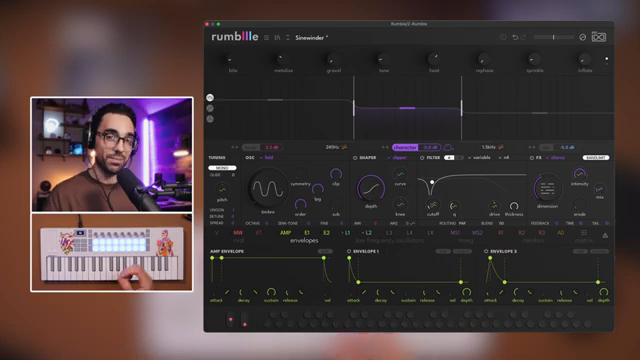
"Each of these parts is its own sound."
© Screenshot/Quote: Taetro (YouTube)
Let’s be real—Rumble’s interface looks like the cockpit of a spaceship, but TAETRO’s not sweating it. He breaks down how each sound splits into three layers—lows, mids, highs—so you can tweak them separately. It’s like having a burger joint where you build your own bass sandwich, stacking extra sauce on the top end and swapping out the meat at will.
Despite the sci-fi control panel vibes, the plugin keeps things approachable. You can swap oscillators, throw in sampled noises, or go full ‘galaxy laser’ with a couple clicks. For anyone who’s ever been turned off by synths that feel like a science exam, this is music to your ears. TAETRO’s take: what looks scary at first is really just a playground for creative sound design.
From Lo-fi to Bassface: Building a Dubstep Track
TAETRO dives headfirst into dubstep territory, starting with a two-hour crash course in the genre—think mood boards, reference tracks, and a healthy dose of self-doubt. He kicks off the track at 140 bpm, grabbing a Rumble preset that immediately sparks inspiration. The vibe? Way more festival tent than coffee shop.
It’s not just about bass—TAETRO pulls in snappy percussion, crisp hats, and a collage of vocal samples that give the track its signature dubstep flavor. He toys with fake drops, tension-building intros, and that classic moment where you think the beat’s about to hit, but it psychs you out instead. For anyone who’s ever wanted to know how these bass monsters are actually built, this is a masterclass in trial-and-error, with plenty of happy accidents along the way.
Drums, fills, and automation keep the groove evolving, and TAETRO’s streetwise tips (like copying track parameters in Ableton with a quick drag) are the kind of hacks you want scribbled on your sticky notes. The lesson: making a banger isn’t about getting every detail perfect—it’s about keeping the energy up and not getting stuck in the weeds. You want to see how the sausage gets made? Watch the video—words can only do so much justice to those drop moments.
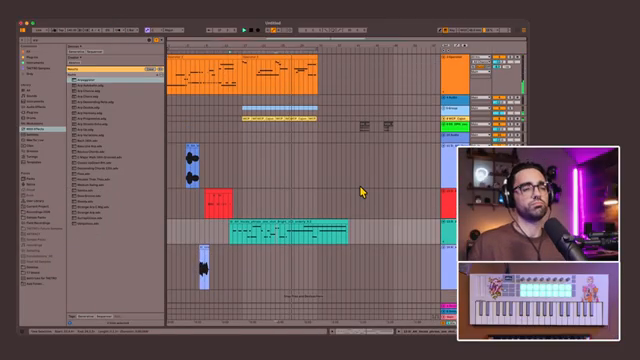
"The intro is nearly done. The like beginning part of the song, the first minute, nearly done."
© Screenshot/Quote: Taetro (YouTube)
Switching Gears: The Dubstep Learning Curve
Here’s where the struggle gets real. TAETRO admits that moving from laid-back lo-fi to the aggressive world of dubstep is like trading your slippers for steel-toed boots. The genre’s arrangements are ruthless—constantly switching, evolving, and never letting you settle into a groove for too long.
He points out that truly nailing that ‘machine gone mad’ sound is tough without some serious practice. The melodic instincts from his usual style keep sneaking in, but the challenge inspires more respect for producers who live and breathe bass music. The takeaway? Dubstep isn’t just loud noises and wobbly basslines—it’s a full-on workout for your creative muscles.
Rumble Rewind: Final Thoughts and New Inspirations

"I do like having this sort of like pushing myself out of my comfort zone, not only genre wise, but also starting with bass was made pretty easy because rumble is a very fun and intuitive plugin to work with."
© Screenshot/Quote: Taetro (YouTube)
By the end, TAETRO’s got a new appreciation for what a heavy bass plugin can do—even if dubstep isn’t his usual flavor. Rumble’s intuitive workflow and inspiring presets made stepping out of his comfort zone less scary and more fun. Would he use it every day for dubstep? Maybe not, but you can bet it’s now in his toolkit for dark ambient and any future project that needs low-end with attitude.
This article is also available in German. Read it here: https://synthmagazin.at/taetro-vs-uvi-rumble-wenn-ein-bass-plugin-einen-lo-fi-typen-zum-dubstep-tier-macht/
More articles about these products:
 UVI Rumble: Devin Belanger’s Multi-Band Bass Machine that Kicks Down the Door
 Andertons Synths, Keys and Tech Unleash the 1010Music Nanoboxes: Pocket-Sized Rave Weapons?
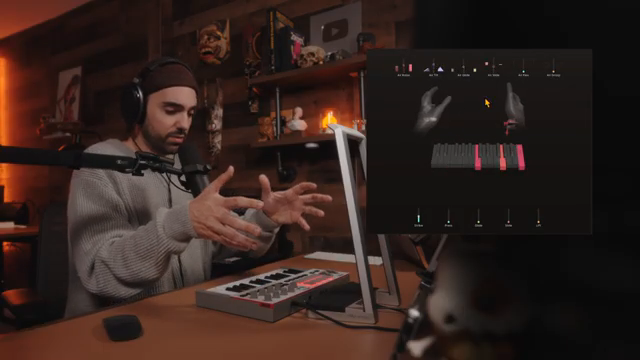 TAETRO Lifts the ROLI Airwave to New Heights
 Taetro’s Synth Setup: The Streetwise Groove Machine
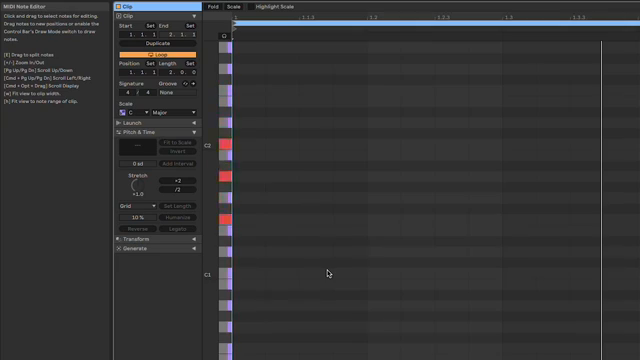 Novation Launchkey: Making Mini MIDI Keyboards Monumental
Watch on YouTube:
Latest articles
Watch on YouTube:
Visit the channel:
https://www.youtube.com/Taetro
https://www.youtube.com/Taetro
Links from Taetro:
Instagram: https://instagram.com/taetro
Facebook: https://facebook.com/taetromusic
Bandcamp: https://taetro.bandcamp.com
Sponsored links:
If you purchase via these links, we may earn a small commission – at no extra cost to you. The link opens an Amazon keyword search, and results may vary depending on availability.
Novation Launchkey Mini
🔗 Check price on Amazon
🔗 Check price on Amazon
UVI Rumble
🔗 Check price on Amazon
🔗 Check price on Amazon