Sweetwater’s at it again, this time putting the Neural DSP Quad Cortex Mini through its paces in a no-nonsense shootout between amp capturing and amp modeling. If you’ve ever wondered whether you’re hearing a digital snapshot or a full-blown algorithmic Frankenstein, this video’s got your answer. Expect a deep dive into the tech, plenty of hands-on tone flipping, and a few surprises that’ll make you question your own ears. Sweetwater’s trademark straight-talking style keeps it all tight and practical – no fluff, just the facts and plenty of sound.

18. February 2026
SPARKY
Sweetwater’s Quad Cortex Mini: Amp Captures vs Models – Who Wins the Tone War?
Capture vs Model: The Sonic Showdown Begins
Sweetwater wastes no time dropping us into the heart of the debate: are you hearing an amp model or an amp capture? The difference, as they lay it out, isn’t just academic—it’s about how you want to shape your sound and how much control you crave. Capturing is like snapping a photo of your favourite amp at its best, while modeling is more like building a digital twin from the ground up, component by component.
With the Quad Cortex Mini as the test subject, the video sets up a direct comparison, promising to reveal just how close these two approaches can get. The tech talk is refreshingly clear: captures lock in a moment, models let you roam free. And with Neural DSP’s TINA tech (which sounds like a rave robot, but is actually a neural network on steroids), things get even more interesting. If you want the full nerdy breakdown, you’ll need to watch the video—some of this stuff is better heard than read.
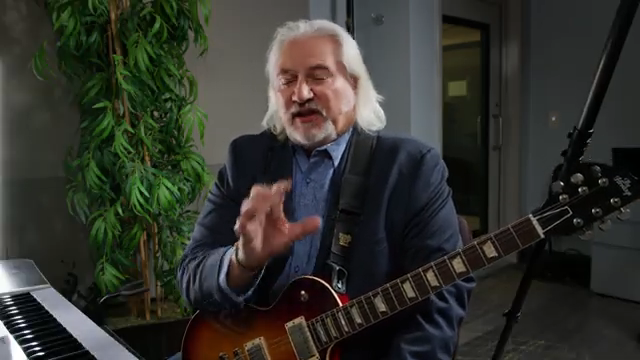
"Basically a capture is like a photograph. So it's a snapshot, it's a capture of an instant in time of the exact settings of the exact tone of an amplifier."
© Screenshot/Quote: Sweetwater (YouTube)
Quad Cortex Mini: Feature Face-Off
Diving into the Quad Cortex Mini, Sweetwater lines up three presets—each with a model and a capture of the same amp. First up: the Wagner Ubershaw. The capture gives you the basics—gain, bass, mid, treble, and volume. It’s all about nailing that exact sound, no more, no less. The model, though, throws in extra controls like presence and master, giving you more room to tweak and twist.
This is where the Quad Cortex Mini flexes its muscles. Sweetwater points out that while captures are great for locking in a killer studio tone, models are your playground if you want to sculpt and experiment. The device handles both approaches with ease, and the interface makes flipping between them a breeze. It’s a proper sonic street weapon for anyone who wants options without menu-diving for days.
Presets in the Wild: Tone Twins or Not?
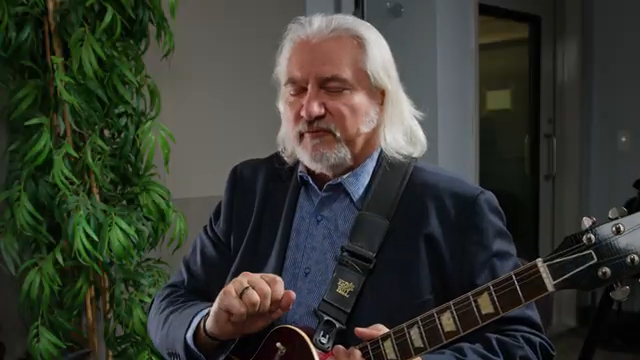
"If that tone from the Princeton is exactly what you want, and you just need to adjust the EQ a little bit, then that capture might give you very great results."
© Screenshot/Quote: Sweetwater (YouTube)
The real test comes with the presets. Sweetwater switches between captures and models, showing just how close they can sound—sometimes eerily so. The response to your guitar’s volume knob is a key difference: captures stay true to the original amp’s snapshot, while models react more like the real thing, changing character as you roll back the volume.
But it’s not all black and white. In some cases, like with the Princeton preset, the capture actually gives you more EQ options than the model. That’s a twist you don’t see coming, and it proves that user control isn’t always about more parameters—it’s about the right ones for the job. If you want to hear the subtle differences, you’ll need to crank the video and listen close—words only go so far when it comes to tone.
Captures vs Models: When and Why?
Sweetwater gets practical, laying out when you’d want a capture and when a model makes more sense. If you’ve dialled in your dream tone and just want to take it everywhere, a capture is the ticket—no fuss, no surprises. But if you’re the type who likes to tweak, experiment, and build sounds from scratch, models give you the flexibility to do just that.
DSP usage also comes into play. You might think captures are lighter on the processor, but deep models with loads of parameters can eat up plenty of juice. It’s a case-by-case game, and the Quad Cortex Mini handles both without breaking a sweat. The takeaway: know your workflow, and pick the tool that fits.
"So where a capture really excels is when you have the perfect tone. You've dialed it in in the studio, you've dialed it in in rehearsal with your amplifier, and you've got it exactly where you want it."
© Screenshot/Quote: Sweetwater (YouTube)
Double the Tech, Double the Fun
The big finish: understanding both technologies isn’t just gear geekery—it’s the key to unlocking your best sound. Sweetwater’s changed their tune a bit, admitting that both captures and models have their place, and the real magic is having access to both. The Quad Cortex Mini delivers on that front, giving guitarists a proper arsenal for any gig or session.
If you’re still not sure which is which, don’t worry—you’re not alone. Even the pros get fooled sometimes, and that’s a testament to how good both approaches have become. For the full experience (and to see if your ears can spot the difference), you’ll want to watch the video. Trust me, your next tone quest starts here.
This article is also available in German. Read it here: https://synthmagazin.at/sweetwaters-quad-cortex-mini-amp-captures-vs-models-wer-gewinnt-den-klangkrieg/
Watch on YouTube:
Latest articles
Watch on YouTube:
Visit the channel:
https://www.youtube.com/sweetwater
https://www.youtube.com/sweetwater
Links from sweetwater:
Sweetwater.com: https://sweetwater.sjv.io/shop
Instagram: https://instagram.com/sweetwatersound
Facebook: https://facebook.com/sweetwater
Twitter: https://twitter.com/sweetwatersound
Subscribe to Stay Connected: https://youtube.com/user/SweetwaterSound/?sub_confirmation=1
DealZone: https://sweetwater.com/dealzone/
Gear Giveaway!: https://sweetwater.com/giveaway/
Sponsored links:
If you purchase via these links, we may earn a small commission – at no extra cost to you. The link opens an Amazon keyword search, and results may vary depending on availability.
Neural DSP Quad Cortex Mini
🔗 Check price on Amazon
🔗 Check price on Amazon