Hold onto your hats, synth lovers—StarskyCarr dives deep into Roland’s SH-4d V2 firmware update! It’s like adding a scoop of extra grooves to your beat-making sundae. New synths, pattern chaining, and more await in this epic walkthrough.

9. May 2025
RILEY
StarskyCarr Unpacks the Roland SH-4d with V2 Firmware: A Deep Dive
A Gift from Roland Heaven
StarskyCarr opens with a whimsical nod to past surprises from Roland, emphasizing how the SH-4d’s new V2 firmware has rekindled his excitement. Despite the light-hearted opening, it’s clear he’s eager to dive into what this update offers. With a slew of new features including two fresh synth engines and new functionalities like pattern chaining and micro-timing, the SH-4d is now more versatile than ever. And who wouldn’t want a QWERTY keyboard transformation to make naming patches a breeze? Starsky brings his Detroit Techno Club charm to the forefront, and if you’ve followed his channel, you’ll know any mention of Detroit means we’re in for a treat. It’s these little touches that make his reviews not just informative but entertaining.

"The Roland gift that's driving me crazy is the new V2 update for the SH4D."
© Screenshot/Quote: Starskycarr (YouTube)
The Harmonics Engine: Drawing Organ Vibes
"Harmonic is essentially a drawbar organ."
© Screenshot/Quote: Starskycarr (YouTube)
StarskyCarr introduces us to the first of the new synth engines, Harmonics, which essentially turns the SH-4d into a drawbar organ. Now, this isn’t your grandma’s church organ—Starsky plays around with the four drawbars, showcasing how each can be manipulated to create a variety of lush organ textures. He tweaks parameters like attack and release to craft sounds that are as punchy as a hip-hop beat on a summer day. It’s here that Starsky’s knack for sound design shines, as he highlights how even simple tweaks can make big waves. Using examples like panning and FM modulation, Starsky demonstrates the flexibility of the Harmonics engine. His love for rich textures extends to the presets included in the firmware, as he flips through them with the effortless style of a DJ spinning records. The conclusion? Harmonics is a playground for anyone who loves evolving, dynamic soundscapes. And Starsky’s playful demonstrations make you want to dive right into creating your own sonic tales.
Stepping into New Rhythm
Next up, Starsky turns his spotlight to the Step synth engine, a feature that’s bound to delight modular synth geeks and sequencer fans. This new engine introduces a two-oscillator setup with a step sequencer that Starsky describes as almost too fun. He delves into the details, from adjusting step values to modulating amplitude and panning, all while showing how waveform tweaks can lead to sonic nirvana. The section acts like an open jam session, with Starsky changing parameters like a chef throwing spices into a simmering pot. Even polyphonic and monophonic modes get explored as he shows off the engine’s versatility. The Step engine’s ability to create both rhythmic and melodic sequences is a throwback to vintage synth vibes, amplified with modern digital precision. This section is packed with creative potential, and Starsky ensures viewers get all the tasty morsels. The journey he takes us on reveals a treasure map of musical possibilities, perfect for beatmakers who want layers and depth in their tracks.
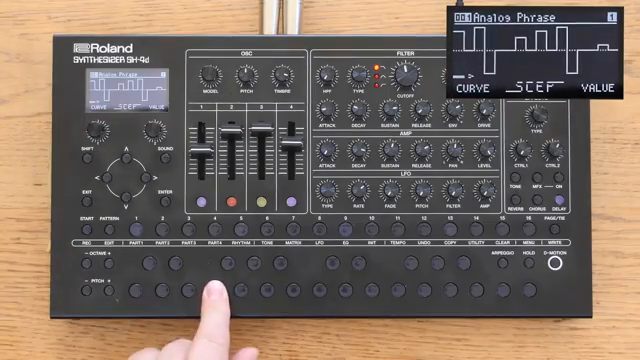
"You can see here, we've got a step sequencer."
© Screenshot/Quote: Starskycarr (YouTube)
Chain Reaction: From Patterns to Songs
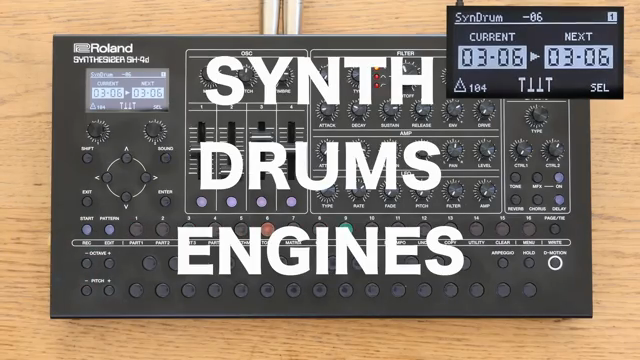
"It's almost like a song because you can set the number of times, something repeats."
© Screenshot/Quote: Starskycarr (YouTube)
Pattern chaining is where StarskyCarr gets to veer into territory that turns simple grooves into full-blown tracks. He starts with a basic sequence, then layers on complexity through pattern chaining, showing how this feature turns the SH-4d into almost a mini DAW. Through an intuitive interface, Starsky sets up a pattern sequence that’s both structured and surprisingly flexible. He makes a case for why this function can be a game-changer, likening it to having your own band dynamically evolving patterns on the fly. The deep level of control, from specifying chain lengths to next pattern options, gives users the freedom to create evolving, intricate compositions. Starsky makes it clear that although it’s simple to use, it holds the capacity for serious music creation. Whether you’re into live music improvisation or detailed studio work, pattern chaining elevates your compositions to new heights.
Small Tweaks, Big Differences
In the final stretch, Starsky highlights several quality-of-life upgrades in the SH-4d’s update. From step shift microtiming for organic grooves to quick saving that keeps studio sessions snappy, these features dial up the practicality of the machine. These might seem like small tweaks, but in the hands of a pro, they are potent tools. Starsky also touches on the new undo capabilities, now up to 10 in number, which allow more freedom to experiment without fear. And who hasn’t dreamt of using a QWERTY keyboard for quick titling? Add to that improved MIDI and USB settings, and the SH-4d suddenly feels more like a Swiss Army knife for musicians. Roland has infused new life into this machine, and Starsky, in his classic no-nonsense approach, breaks it all down with a series of rapid-fire tips that feel as satisfying as a perfectly cooked street taco.
This article is also available in German. Read it here: https://synthmagazin.at/starskycarr-entpackt-das-roland-sh-4d-v2-update-ein-tiefer-einblick/
Watch on YouTube:
Latest articles
Watch on YouTube:
Visit the channel:
https://www.youtube.com/StarskyCarr
https://www.youtube.com/StarskyCarr
Links from StarskyCarr:
Patreon: https://patreon.com/starskycarr
Instagram: https://instagram.com/starskycarr
Facebook: https://facebook.com/StarskyCarrOfficial
Sponsored links:
If you purchase via these links, we may earn a small commission – at no extra cost to you. The link opens an Amazon keyword search, and results may vary depending on availability.
Roland SH-4d
🔗 Check price on Amazon
🔗 Check price on Amazon