Think your home studio needs a boutique preamp to sound pro? SpectreSoundStudios is here to torch that myth with a flamethrower and a wink. Glenn Fricker, never one to mince words, rips into the upgrade obsession, exposes the real value of transformer saturation, and puts the Heritage Audio Lang 312L through its paces. Expect brutal honesty, a few gearhead surprises, and a reality check for anyone about to drop rent money on shiny boxes. If you want the truth about preamps—minus the fairy tales—this is your rave bunker briefing.
18. January 2026
SPARKY
SpectreSoundStudios vs. The Preamp Hype: Lang 312L Throws Down
Heritage Audio Lang 312L, Heritage Audio OST ADAT, Shure A15AS
The Preamp Mirage: Home Studio Delusions
Let’s be honest: most home studio owners are chasing the wrong dragon. Glenn Fricker kicks off by skewering the classic upgrade path—guitar, cheap interface, cheaper monitors, and zero acoustic treatment. The internet’s advice? Buy better preamps. It’s the oldest trick in the book, and SpectreSoundStudios isn’t having any of it.
Fricker’s style is all about cutting through the noise, and he wastes no time calling out the myth that a shiny new preamp will magically fix your mixes. If you’re still blaming your gear for bad recordings, he suggests you take a good look in the mirror. The real problem, he says, isn’t your interface or preamp—it’s you. Brutal, but refreshingly honest.

"You probably don't need new pre-amps. Not now. Not ever."
© Screenshot/Quote: Spectresoundstudios (YouTube)
Entry-Level Preamps: Good Enough for the Rave Bunker
SpectreSoundStudios doesn’t just talk the talk—he brings receipts. Fricker points out that modern entry-level preamps, even the ones in your bargain-basement Focusrite or Behringer, are clean, quiet, and transparent. The data’s there, but most people would rather believe a good story than face the facts.
He’s quick to remind us that, unless you’re using a Fostex 4-track from the ‘80s or a crusty PA mixer, your preamps aren’t holding you back. The technology’s sorted, and if your tracks still sound like a toaster-fight, it’s not the gear. Save your cash for something that actually matters—or at least stop blaming the box.
Transformer Saturation: The Real Mojo (If You Need It)
"When you use a transformer-based mic pre-amp and you run it hot, you're no longer just capturing the source. You're adding extra content in the form of harmonic saturation."
© Screenshot/Quote: Spectresoundstudios (YouTube)
Here’s where things get spicy. Fricker admits there’s one reason to care about premium preamps: transformer saturation. Run a transformer-based preamp hot, and you get real, measurable harmonic content—not snake oil, but actual sonic flavour. It’s non-linear, reacts to level, and can smooth out harsh digital edges.
But before you start emptying your wallet, he’s clear: this is only worth it if you actually need that musicality. For most home studios, you’re not building Abbey Road—maybe just upgrading a channel or two. The rest is just boutique fairy dust. If you want to hear what transformer saturation really does, you’ll need to watch the video for those crunchy audio demos.
Heritage Audio Lang: Street-Level 500 Series Muscle
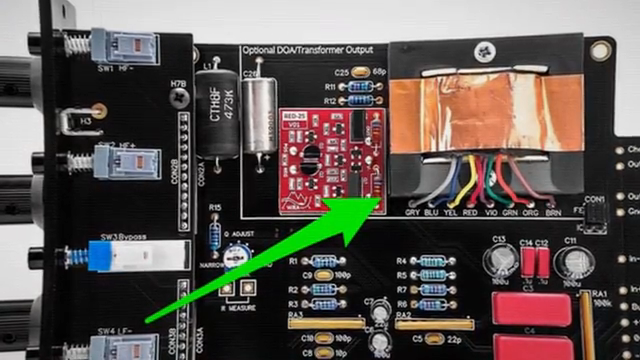
Now for the main event: the Heritage Audio Lang 312L preamps. Fricker’s a longtime 500 Series fan, and he loves how it lets you build a modular rig without torching your wallet. The Lang preamps clock in at $349 a pop, offering transformer in and out for less than half the price of the usual suspects like API or Neve.
He highlights the killer features: a ribbon/SM7 mode with loads of clean gain, built-in functionality that saves you from buying a Cloudlifter, and the ability to slot these into a Heritage Audio rack with DB25s for cheap cabling. For home studio heads, this is a smart, expandable way to get real analog muscle without selling your kidneys. But if you want to hear the Lang getting pushed on metal guitars and ribbons, you’ll have to check the video—words can’t do that saturation justice.
Trim Pot Trauma: Workflow Woes and Workarounds
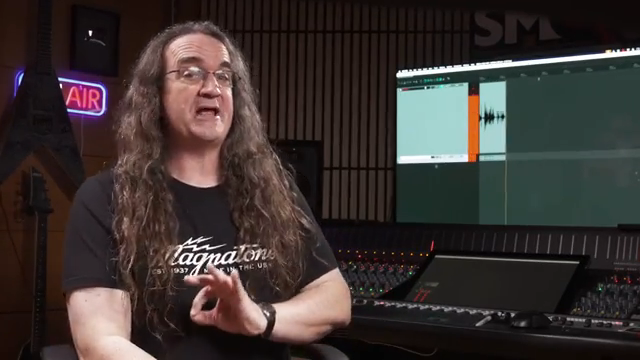
No gear is perfect, and Fricker doesn’t sugar-coat the Lang’s biggest flaw: no trim pot. This missing feature means you can’t easily drive the preamp hard without risking converter overload—unless you add a compressor, attenuator, or a Shure A15AS downstream. It’s a classic case of analog potential blocked by a basic oversight.
He’s clear that this limitation is infuriating, especially for home studio users who want to push their sound without extra faff. Still, with some clever patching, you can get the goods. The Lang delivers on transformer magic and value, but the lack of a trim pot keeps it from being a five-star street weapon. If you’re ready to work around it, though, it’s a serious upgrade for the money.
"What I really wanted to see here was a trim pot. And the lack of one is absolutely infuriating."
© Screenshot/Quote: Spectresoundstudios (YouTube)
This article is also available in German. Read it here: https://synthmagazin.at/spectresoundstudios-gegen-den-preamp-hype-lang-312l-im-haertetest/
Watch on YouTube:
Latest articles
Watch on YouTube:
Visit the channel:
https://www.youtube.com/SpectreSoundStudios
https://www.youtube.com/SpectreSoundStudios
Links from SpectreSoundStudios:
website: https://spectremedia.ca
twitter: https://twitter.com/spectremedia
instagram: https://www.instagram.com/spectremediagroup
Sponsored links:
If you purchase via these links, we may earn a small commission – at no extra cost to you. The link opens an Amazon keyword search, and results may vary depending on availability.
Heritage Audio Lang 312L
🔗 Check price on Amazon
🔗 Check price on Amazon
Heritage Audio OST ADAT
🔗 Check price on Amazon
🔗 Check price on Amazon
Shure A15AS
🔗 Check price on Amazon
🔗 Check price on Amazon