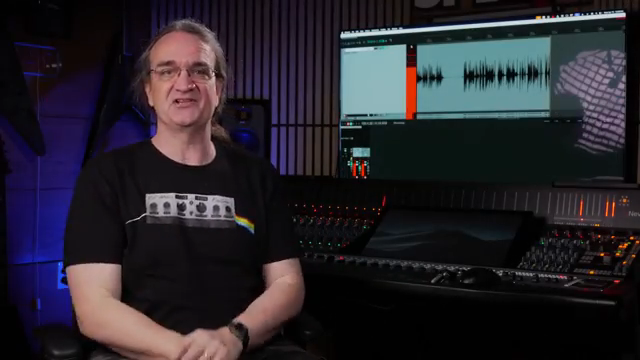
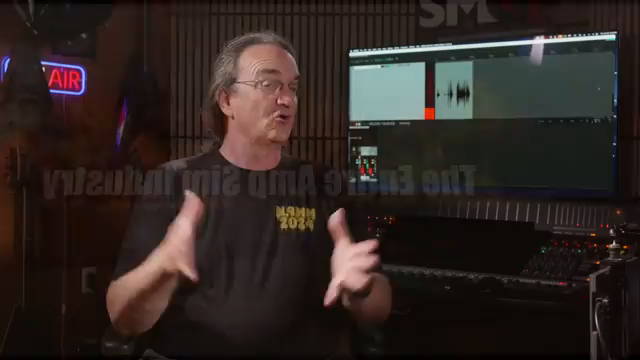
SpectreSoundStudios, helmed by the ever-blunt Glenn Fricker, just dropped a nuclear take on the state of amp sims – and he’s not pulling any punches. From the fried-asshole days of digital fakery to the open-source, touchscreen future, this video is a wild ride through the evolution of guitar tone in a box. If you’ve ever wondered why your digital rig feels more like a microwave than a Marshall, or why the Quad Cortex might be yesterday’s news, Glenn’s got receipts and rants to spare. Strap in, because this isn’t your dad’s gear review – it’s a rave bunker history lesson with a side of gear snob roast.
26. April 2026
SPARKY
SpectreSoundStudios Declares: Quad Cortex Is Toast – The Amp Sim Revolution Rolls On
Fractal Audio Axe FX, Kemper Profiling Amplifier, Neural Amp Modeler, Neural DSP Quad Cortex, Octave Box
From Fried Assholes to DSP: The Amp Sim Evolution
SpectreSoundStudios kicks things off by tearing into the history of amp simulations, reminding us that every guitar sound is just maths in a box – sometimes good, often tragic. Glenn Fricker doesn’t sugar-coat the early days: amp sims were a joke, digital boxes promising the world and delivering the sonic equivalent of a toaster-fight. Marketing was slick, but the sound was all fried artifacts and disappointment. The only thing real about those tones was the regret after buying in.
But the story isn’t just about bad gear – it’s about how digital tech finally caught up. Fricker weaves in tales of radar, moon bounces, and the birth of DSP, drawing a straight line from WWII signal processing to the modern amp sim. The punchline? Useful beats perfect, and once computers got fast enough, the dream of a portable, flexible rig started to look less like science fiction and more like a gig-ready reality. If you want the full war-to-Napster-to-Line6 saga, the video’s got all the wild analogies you could want.
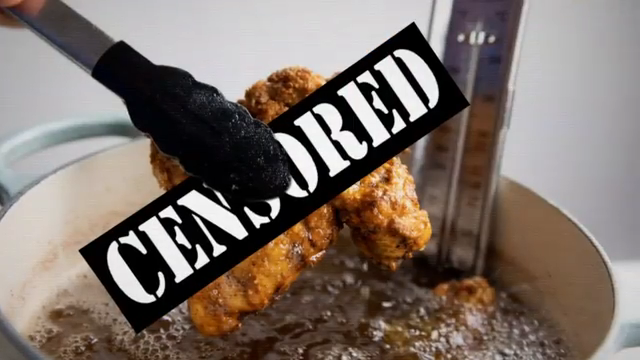
"Fried assholes. Because that is exactly what it sounded like."
© Screenshot/Quote: Spectresoundstudios (YouTube)
When Modelling Got Real: Axe FX and Studio Shakeups
The first time a modeller didn’t suck? Enter the Fractal Audio Axe FX. Suddenly, the studio wasn’t just a graveyard for failed digital dreams – this box actually sounded good, even if it cost more than a used 5150. Fricker’s studio tales make it clear: this was a turning point, but it came with a new curse – option paralysis. Hundreds of sounds, endless tweaking, and the creeping suspicion you’d never find the perfect tone.
The real shift was that computers were finally powerful enough to replace racks of gear with something you could actually carry. It wasn’t perfect, but for the first time, digital didn’t fall apart when pushed. The Axe FX era marked the start of serious digital contenders in the studio, and the workflow would never be the same.
Quad Cortex: The Touchscreen Tsunami
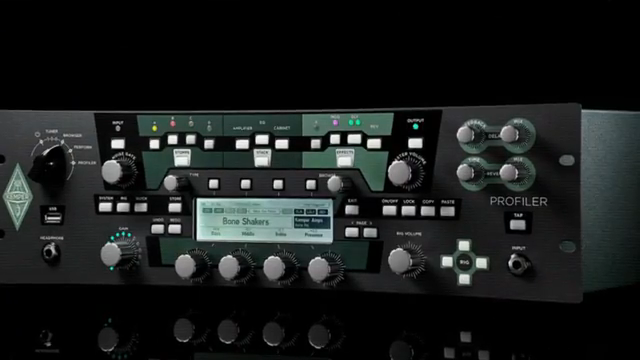
"You're not modeling the thing, you're modeling what it does to a signal."
© Screenshot/Quote: Spectresoundstudios (YouTube)
Just as the dust settled, the Kemper arrived and flipped the script again. Instead of modelling, it measured – capturing the real amp’s response and giving players a snapshot of the real deal. But the real game-changer? The Neural DSP Quad Cortex. This thing brought touchscreen ease, rotary encoders, and a multi-core DSP that could run multiple chains at once. No more 1970s microwave menus – just swipe, tap, and go.
Fricker doesn’t just hype the interface; he points out the freedom and flexibility this new breed offers. The Quad Cortex let you ditch the pedalboard and the cable spaghetti, but it also raised the stakes. Suddenly, the hardware box wasn’t the only game in town. The landscape shifted overnight, and the old guard started to look very, very nervous.
Feel vs. Convenience: The Never-Ending Debate
SpectreSoundStudios isn’t shy about calling out the trade-offs. Sure, you can run Neural Amp Modeler on your Mac or PC, but dragging a desktop to a gig is about as practical as bringing a fridge on stage. Laptops help, but now you’re juggling interfaces, cables, and the ever-present risk of running your guitar rig with a mouse while your hands are busy shredding.
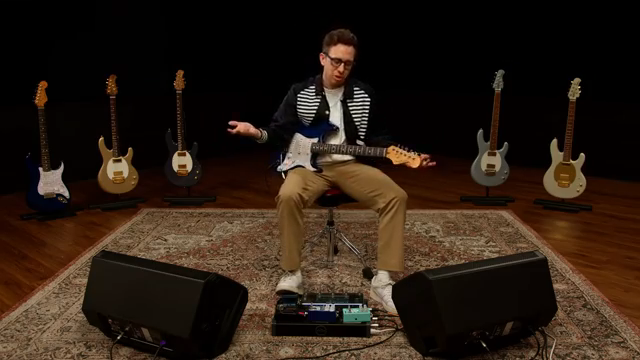
But then comes the Octave box: a stripped-down Windows 11 machine in a stompbox, running your VSTs, your chains, your way. Fricker’s critical eye lands on the real question – does it sound as good as the big boys? The only way to really know is to listen, and the video’s A/B test is a must-watch. The debate between feel and convenience rages on, but the lines are getting blurrier by the minute.
Value vs. Hype: The Open Platform Smackdown
In the final round, Fricker puts the old hardware hype on blast. Once the sound is there, all the branding, ecosystems, and price tags start to look like yesterday’s news. The Octave box, running Neural Amp Modeler, is the iPod moment for amp sims – open, portable, and not locked to anyone’s ecosystem.
If you’re still clinging to your Quad Cortex like it’s Excalibur, it might be time to rethink. The real value now is freedom: run what you want, how you want, wherever you want. For the full sonic street fight, you’ll want to watch the video – the A/B shootout and Fricker’s closing rants are worth the price of admission alone.
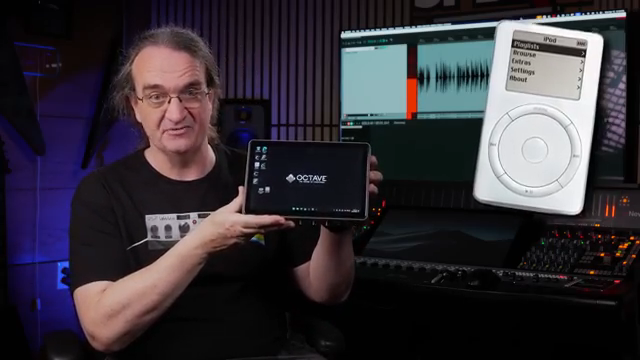
"If Neural Amp Modeler is the modern napster for amp sims, this, this is the iPod moment."
© Screenshot/Quote: Spectresoundstudios (YouTube)
This article is also available in German. Read it here: https://synthmagazin.at/spectresoundstudios-verkuendet-quad-cortex-ist-geschichte-die-amp-sim-revolution-geht-weiter/
More articles about these products:
Watch on YouTube:
Latest articles
Watch on YouTube:
Visit the channel:
https://www.youtube.com/SpectreSoundStudios
https://www.youtube.com/SpectreSoundStudios
Links from SpectreSoundStudios:
website: https://spectremedia.ca
twitter: https://twitter.com/spectremedia
instagram: https://www.instagram.com/spectremediagroup
Sponsored links:
If you purchase via these links, we may earn a small commission – at no extra cost to you. The link opens an Amazon keyword search, and results may vary depending on availability.
Fractal Audio Axe FX
🔗 Check price on Amazon
🔗 Check price on Amazon
Kemper Profiling Amplifier
🔗 Check price on Amazon
🔗 Check price on Amazon
Neural Amp Modeler
🔗 Check price on Amazon
🔗 Check price on Amazon
Neural DSP Quad Cortex
🔗 Check price on Amazon
🔗 Check price on Amazon
Octave Box
🔗 Check price on Amazon
🔗 Check price on Amazon