If you’re on the hunt for a synth that fits in your pocket and won’t drain your rent money, SON WU just cooked up a killer walkthrough of the Bastl KASTLE 2 Alchemist. This little box is all about instant fun—five engines, wild modulation, and enough groove to keep your next beat tape spicy. SON WU’s signature style makes the demo feel like you’re hanging out in his studio, learning tricks between jokes. If you want to know if this synth slaps or flops, keep reading—because this review dives deep into every knob twist and hack.
25. November 2025
RILEY
SON WU Drops the Bastl KASTLE 2 Alchemist: Pocket-Sized Synth, Street-Sized Fun
Tiny Box, Big Entrance
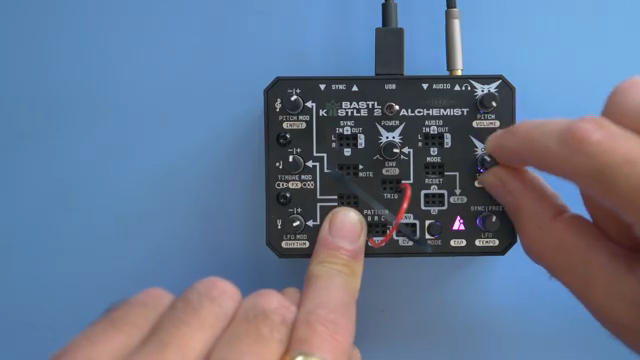
The Bastl KASTLE 2 Alchemist just landed, and SON WU wastes no time laying out why this synth is catching eyes on the street. Right out the gate, he points out how this unit flips the script from the previous KASTLE boxes, which were more about effects and glitchy sample playback. Now, we’re talking a legit synthesizer—five engines deep, and all packed into a box smaller than your average takeout container.
What really makes this thing pop is its price-to-fun ratio. SON WU’s vibe is all about getting the most bang for your buck, and the Alchemist is clearly built for producers who want to keep it portable, affordable, and ready to jam anywhere. It’s the kind of gear you toss in your backpack for a rooftop beat session or a late-night kitchen cookup.
The intro sets the tone: this isn’t just another synth for the shelf. It’s a tool for creators who want to get their hands dirty, experiment, and make music without a manual thicker than a Chicago deep-dish menu. If you’re tired of gear that’s all hype and no hustle, this one’s worth a look.
Five Engines, Infinite Flavors
SON WU dives into the heart of the KASTLE 2 Alchemist—the five built-in synth engines. First up is the filter engine, serving up classic virtual analog tones with a timbre knob that doubles as a filter cutoff and, with a shift, morphs waveforms, adds sub, and cranks resonance. It’s like having a mini analog in your palm, and the controls are dead simple but effective.
Next, the FM engine brings those glassy, metallic tones. SON WU shows how the timbre knob dials in FM depth, from clean sines to gnarly, modulated grit. Shift functions let you tweak ratios and detuning, opening up a playground for sound design. The super saw engine steps in with lush, stacked waves—think instant trance leads or thick pads, all tweakable with ratios and detune for that classic, swirling vibe.
The hyper sine engine is a nod to the OG KASTLE, starting with a pure sine and layering in ring modulation and a second oscillator for glitchy, unpredictable textures. SON WU’s walkthrough makes it clear: this isn’t just a one-trick pony. The glitch noise engine rounds out the set, morphing from pitched tones to wild FM feedback and filtered noise. Each engine can be pushed from mellow to mayhem, giving you a full spectrum of sounds in a box that costs less than a fancy dinner out.
What’s wild is how quickly you can flip between these flavors. SON WU’s style shines here—he keeps it moving, showing off each engine’s sweet spot without getting bogged down in tech jargon. If you want pads, plucks, or straight-up chaos, the Alchemist’s got you covered. And with every engine just a knob twist away, you’ll never run out of new ideas to sample or flip.
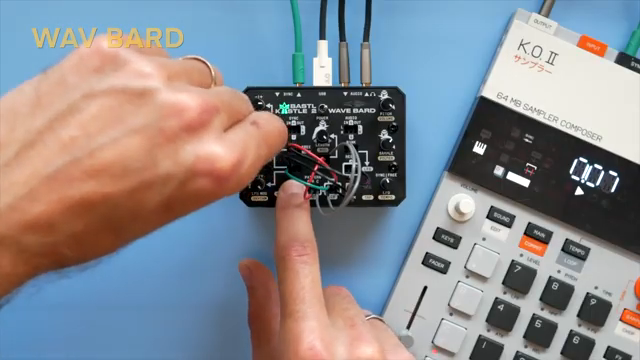
"This here is a synthesizer with five different engines inside and it can produce nice melodies and arpeggios."
© Screenshot/Quote: Sonwu (YouTube)
Engine Walkthrough: From Filter to Glitch
SON WU takes us on a guided tour through each synth engine, breaking down what makes them tick. The filter engine is your bread-and-butter analog emulation, with a timbre knob that’s more versatile than a food truck menu. Shift functions let you blend waveforms and tweak resonance, so you can dial in everything from smooth leads to gritty basses.
The FM engine is next, and it’s all about that metallic edge. SON WU shows how you can go from subtle FM to full-on digital madness, with shift and timbre unlocking new ratios and detuning. The super saw engine is a crowd-pleaser, stacking waves for that big, lush sound. Shift functions here add even more depth, letting you detune and layer for instant dancefloor vibes.
Hyper sine brings the weirdness, starting with a clean sine and adding ring mod and a second oscillator for glitchy, evolving tones. SON WU highlights how this engine channels the spirit of the original KASTLE, but with more control and flavor. Finally, the glitch noise engine is pure chaos—turn the knob and you go from pitched tones to FM feedback and wild, filtered noise. It’s perfect for experimental heads and anyone who likes their beats a little dirty.
Each engine is easy to access and tweak, making the KASTLE 2 Alchemist a true playground for sound designers. SON WU’s walkthrough is detailed but never dry, keeping the focus on what matters: making dope sounds fast.
Modulation Mayhem: Flipping Engines and Triggering Notes
"And it sounds simple now but of course all this can be modulated."
© Screenshot/Quote: Sonwu (YouTube)
Here’s where the KASTLE 2 Alchemist earns its stripes—modulation. SON WU shows how patching the LFO into the mode selector lets you sweep between synth engines on the fly. It’s like DJing your own sound palette, flipping from pads to plucks without missing a beat. This trick alone could keep a live set fresh for hours.
But it’s not just about switching engines. SON WU breaks down how notes and pitch are triggered. The simplest move? Just hit the shift button and you’re playing a note, with pitch set by the knob and the envelope shaping the volume curve. He points out how the envelope knob lets you go from snappy plucks to soft, droning pads—ideal for switching up your vibe mid-jam.
The real magic happens when you stop triggering notes by hand and let the sequencer take over. SON WU patches the rhythm generator’s gate output into the envelope trigger, instantly creating patterns. Then, by routing the CV output into the note input, he unlocks pitch modulation—now every trigger brings a new note, and you can dial in everything from tight melodies to wild, evolving lines. The modulation possibilities are deep, but SON WU keeps it approachable, showing that you don’t need a PhD to make this box sing.
Sequencer Tricks: From Simple Grooves to Wild Melodies
SON WU dives into the sequencer, showing how the KASTLE 2 Alchemist can generate everything from straightforward rhythms to complex, evolving melodies. He starts by patching the rhythm generator’s gate output to the envelope trigger, creating instant grooves without lifting a finger. It’s a classic beatmaker move—let the box do the work while you focus on tweaking the sound.
But it doesn’t stop there. By sending the pattern generator’s CV output into the note input, SON WU demonstrates how each trigger can bring a new pitch. This turns the Alchemist into a melody machine, spitting out lines that are locked to a scale for musical results every time. He even shows how to add chords and arpeggios by patching an LFO into the play input, stacking thirds, fifths, and octaves on top of your root note.
Changing scales is a breeze—just hold the mode knob and turn the pitch mod knob, and you’re cycling through different musical modes. SON WU points out that you can even edit your own scales with the web editor, making this sequencer as deep or as simple as you want. There’s also a pitch slide function for glides and portamento, plus effects like delay, chorus, flanger, and distortion to spice up your patterns.
The sequencer isn’t just a side feature—it’s the heart of the Alchemist’s groove. SON WU’s walkthrough proves that you can go from basic beats to wild, evolving jams without ever touching a DAW. For producers who love hands-on control, this is a game-changer.
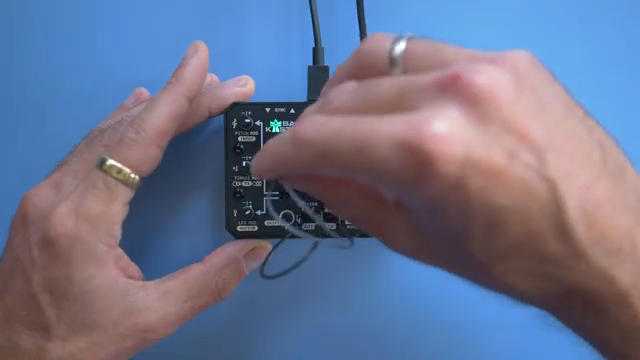
"So you can create arpeggios that are based on a root note which is determined by the note input."
© Screenshot/Quote: Sonwu (YouTube)
MIDI Out and More: The Alchemist’s Street Smarts
SON WU isn’t just about showing off sounds—he’s all about practical moves. He highlights how the KASTLE 2 Alchemist can spit out MIDI sequences to other gear, turning it into a pocket-sized brain for your whole setup. Whether you’re running a DAWless rig or just want to add some spice to your main synth, this feature makes the Alchemist way more than a toy.
He points out that the note sequences you generate can be sent out as MIDI, so you can control anything from drum machines to big polysynths. It’s a killer way to get more mileage out of a tiny box, and it fits right into the beatmaker workflow—cheap, flexible, and always ready to jam.
This kind of versatility is what separates the Alchemist from other micro synths. SON WU’s practical tips make it clear: this isn’t just a fun gadget, it’s a legit tool for any producer looking to stretch their dollar and their sound.
Three-in-One: Firmware Swaps for Extra Flavor
Just when you think the KASTLE 2 Alchemist has shown all its tricks, SON WU drops the final bomb: firmware swaps. If you ever get bored with the synth engines, you can load up the other two available firmwares from the KASTLE 2 line. That means you’re basically getting three different instruments in one box—talk about stretching your gear budget.
SON WU makes it clear that this flexibility is a huge win for producers who like to keep things fresh. Whether you want to switch from synth to effects or sample playback, it’s just a firmware flash away. No need to buy another box—just swap and go.
This last feature cements the Alchemist’s place as a streetwise pick for anyone who wants maximum value and endless creative options. SON WU’s walkthrough wraps up with a nod to the fun factor and a reminder that sometimes, the best gear is the one that keeps surprising you.
This article is also available in German. Read it here: https://synthmagazin.at/son-wu-praesentiert-den-bastl-kastle-2-alchemist-hosentaschen-synth-strassen-tauglicher-spass/
Watch on YouTube:
Latest articles
Watch on YouTube:
Visit the channel:
https://www.youtube.com/SONWU
https://www.youtube.com/SONWU
Links from SONWU:
Samples & Lessons in my Shop: https://ko-fi.com/sonwu
Instagram: https://www.instagram.com/sonwu.music/
Sponsored links:
If you purchase via these links, we may earn a small commission – at no extra cost to you. The link opens an Amazon keyword search, and results may vary depending on availability.
Bastl KASTLE 2 Alchemist
🔗 Check price on Amazon
🔗 Check price on Amazon