Ever wondered what happens when you treat your effects pedal like a wild idea kangaroo instead of just a finishing touch? Sineway’s latest escapade is a ripper: Sequential Fourm, Hologram Microcosm, and Digitakt II all thrown into the ring for a no-prep, from-scratch track build. This isn’t your usual polite studio noodling—Sineway’s workflow is fast, hands-on, and full of surprises, with the Microcosm leading the charge as a chaos box for inspiration. If you’re keen to see a pro wrangle fresh sounds and build a club-ready groove before you can say “outback BBQ,” this one’s for you. Grab a cold one, because things get weird in the best possible way.
3. February 2026
TAS
Sineway’s Microcosm Mayhem: Turning Effects into Idea Generators with Digitakt II
Digitakt II, Faderfox UC4, Hologram Microcosm, Sequential Fourm
Microcosm Unleashed: Not Just an End-of-Chain Pretty Face
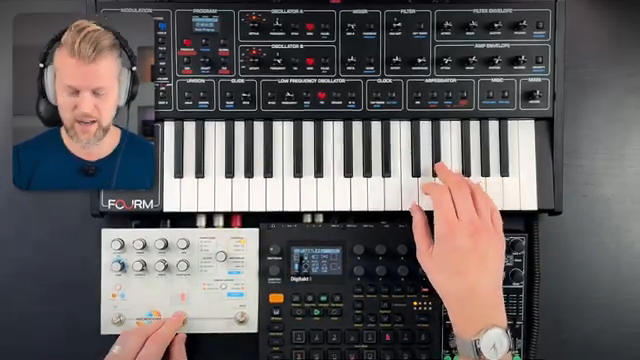
Sineway kicks things off by flipping the usual script—treating the Hologram Microcosm not as a polite afterthought, but as a full-blown idea generator. Instead of slapping effects on at the end, the Microcosm is front and centre, warping a basic init patch from the Sequential Fourm into something that’s already dripping with vibe. This isn’t your average reverb-and-delay garnish; it’s more like letting a kangaroo loose in your studio and seeing what it tramples into existence.
The Microcosm’s algorithms and sub-algorithms are explored with wild abandon, each one twisting the Fourm’s raw tones into new shapes. Sineway’s approach is all about letting the pedal suggest harmonies, rhythms, and directions before a single beat is sequenced. If you’re used to treating FX as the icing, this is like baking the whole cake with Red Bull instead of eggs. The result? Instant inspiration, and a workflow that’s as unpredictable as a Melbourne weather forecast.
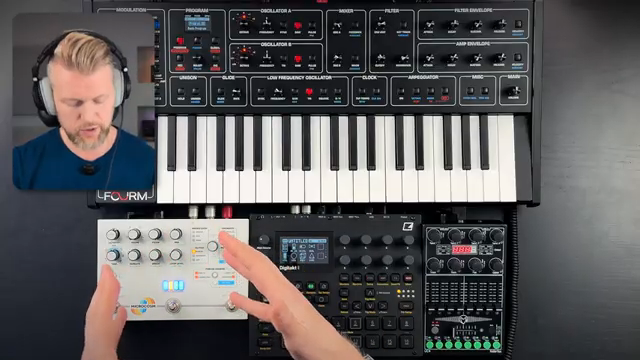
"You can use this in many different creative ways."
© Screenshot/Quote: Sinewaymusic (YouTube)
Track-Building Blitz: Fast, Fluid, and Dawless
With the Microcosm sparking ideas, Sineway dives into building a track at a pace that’d make a kangaroo jealous. The Digitakt II acts as the sampler and sequencer glue, pulling in the Fourm’s processed sounds and slicing them up for pads. There’s no faffing about—just quick recording, sample slicing, and immediate sequencing. It’s the kind of workflow that’s perfect for those moments when you want to get from zero to dancefloor in the time it takes to burn a snag on the barbie.
What stands out is the adaptability of the setup. Sineway’s got a default Digitakt template ready to roll, with kicks, snares, and hats preloaded, so the creative energy never gets bogged down in menu-diving. The process is hands-on and improvisational, letting happy accidents and pedal magic drive the direction. If you blink, you’ll miss a trick—so best to watch the video for the full, unfiltered ride.
Fourm Frenzy: Sound Design That Packs a Punch
The Sequential Fourm isn’t just along for the ride—it’s the backbone of Sineway’s sound design. From tweaking envelopes and filters to dialing in modulation and oscillator tricks, the Fourm gets pushed and prodded into all sorts of shapes. Sineway’s not afraid to get experimental, layering in modulation depths and chorus-like effects that make the synth wobble and shimmer like a heat haze over the Nullarbor.
What’s ace here is how the Fourm’s raw tones are sculpted before they even hit the Microcosm. There’s a clear sense of play, with Sineway using ears over specs, chasing what sounds good rather than what’s technically correct. It’s a reminder that sometimes the best sounds come from mucking about and letting the gear surprise you—no manual required, just a bit of Aussie cheek and a willingness to get your hands dirty.
Groove Mechanics: Rhythm, Modulation, and Layers for Days
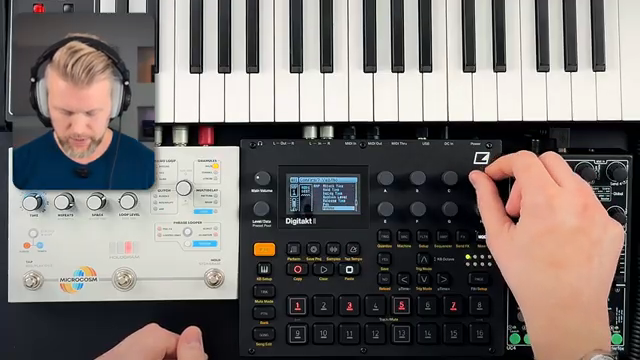
"It's just basically you add a saw LFO, you set it to control the amp volume, and then you set it to a trig mode, which means that it basically resets every time you hit a trig."
© Screenshot/Quote: Sinewaymusic (YouTube)
Once the core sounds are locked in, Sineway gets busy with rhythmic tricks and modulation to bring the track to life. Fake sidechain pumping is dialled in using LFOs, making the pads and bass duck and weave like they’re dodging magpies in spring. The Digitakt II’s sequencer is used to slice, rearrange, and inject movement into every element, from pads to hi-hats to basslines.
Dynamic layers are built up with clever use of modulation—start points, filter cutoffs, panning, and velocity all get the treatment. The result is a groove that’s anything but static, with every bar feeling a bit different from the last. Sineway’s workflow is a masterclass in keeping things moving, making sure the track never falls into the dreaded loop trap.
But let’s be real—some of these tricks are best seen (and heard) in action. The way Sineway juggles the Digitakt’s pages, parameter locks, and performance macros is a sight to behold. If you want to nick these ideas for your own rig, you’ll want to watch the video and see the magic in real time.
From Loop to Full Song: The Next Step Beckons
Just as things are heating up, Sineway drops a teaser for what’s next—breaking out of the single-pattern rut and turning this loop into a full-blown tune. It’s a classic spot where many producers get stuck, but Sineway’s already got plans to show how to expand, arrange, and perform with this setup. So if you’re keen to see how a simple groove becomes a mainstage banger (or at least something you’d blast at a bush doof), keep your eyes peeled for the next instalment.

"How do I break from the loop into the full song structure?"
© Screenshot/Quote: Sinewaymusic (YouTube)
This article is also available in German. Read it here: https://synthmagazin.at/sineway-entfesselt-das-microcosm-effektgeraet-als-ideenmaschine-mit-dem-digitakt-ii/
Watch on YouTube:
Latest articles
Watch on YouTube:
Visit the channel:
https://www.youtube.com/sinewaymusic
https://www.youtube.com/sinewaymusic
Links from sinewaymusic:
Patreon: https://patreon.com/Sineway
TikTok: https://tiktok.com/@sinewaymusic
Instagram: https://instagram.com/sinewaymusic
Our music-only channel: https://youtube.com/@SinewayOfficial
Sponsored links:
If you purchase via these links, we may earn a small commission – at no extra cost to you. The link opens an Amazon keyword search, and results may vary depending on availability.
Digitakt II
🔗 Check price on Amazon
🔗 Check price on Amazon
Faderfox UC4
🔗 Check price on Amazon
🔗 Check price on Amazon
Hologram Microcosm
🔗 Check price on Amazon
🔗 Check price on Amazon
Sequential Fourm
🔗 Check price on Amazon
🔗 Check price on Amazon