Signal Sounds are back in the bunker with episode two of their Signal Flow Podcast, and this time it’s a sequencer showdown for the Eurorack faithful. Tom and Luke riff on their favourite step machines, dig up some criminally underrated modules, and take the pulse of where modular’s heading in 2024. Expect sharp Glaswegian banter, deep dives into chaos and analog sequencing, and a healthy dose of under-the-radar gear worship. If you’re after honest opinions, leftfield picks, and a few laughs, this is the synth chat you want in your headphones. Just don’t expect them to go easy on the sacred cows.
26. March 2026
SPARKY
Signal Sounds Serve Sequencer Gold – Podcast Ep2 Reviewed
Altered State Machines Aristotle, Dannysound Tobinski Sequencer Eurorack Module, Fancy Synthesis Rung Divisions Eurorack Polyrhythmic Divider Sequencer Generator Module, Make Noise René Mk2 Cartesian Eurorack Sequencer Module, Making Sound Machines Stolperbeats Eurorack Drum Sequencer Module, New Systems Instruments Discrete Map Eurorack Sequencer Module, Noise Engineering Multi Repetitor Eurorack Trigger Sequencer Module, Xaoc Devices Moskwa II Eurorack Sequencer Module
Sequencer Showdown: Favourites & Oddballs
Signal Sounds kick things off by laying their sequencer cards on the table, and it’s not just the usual suspects. Tom and Luke aren’t here to worship at the altar of battleship modules – they’re after the weird, the hands-on, and the stuff you can’t do in a DAW. The Moskwa II from Xaoc Devices gets a nod for its rotary interface and deep expander tricks, while the chunky analog Tobinski Sequencer from Dannysound earns respect for its Buchla/Serge-inspired phasing and polymetric mayhem. There’s no love lost for the big all-in-one brains; these two prefer a rack full of focused, tweakable tools.
The chat quickly turns to drum sequencing, with Noise Engineering’s Repetitor family and Making Sound Machines’ Stolperbeats getting the Signal Sounds seal of approval for instant groove and wild swing. The duo also shout out the Make Noise René for its grid-based chaos, and the New Systems Instruments Discrete Map for comparator-driven sequencing that’ll melt your brain if you stare too long. If you want to hear what these modules can really do, you’ll need to check the video – words barely scratch the surface of their rhythmic wizardry.
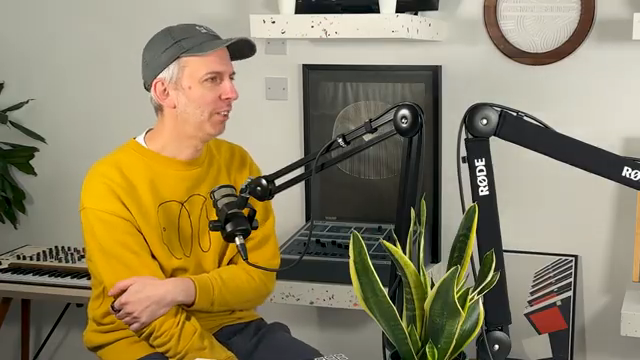
"It's a great module for doing percussion. Yeah, it's like instant Dilla kind of flavor in your rack."
© Screenshot/Quote: Signal Sounds (YouTube)
Why These Sequencers Slap: Features & Chaos
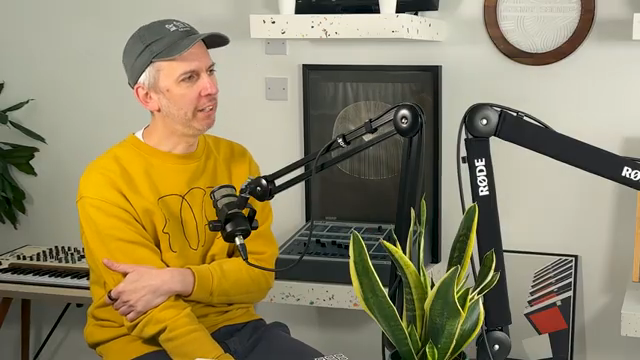
"My approach to sequencing in Eurorack is I look for stuff fundamentally that I can't do easily in a DAW."
© Screenshot/Quote: Signal Sounds (YouTube)
What makes a sequencer stand out in the modular jungle? For Tom and Luke, it’s all about hands-on control, polymetric madness, and the ability to break free from DAW gridlock. They’re after modules that let you create evolving, off-kilter patterns with minimal fuss – think happy accidents, not menu-diving misery. The Tobinski’s analog approach lets you patch lanes against each other for phasing effects, while the Moskwa II’s expander opens up a world of CV-driven modulation and binary gate trickery. These aren’t just step sequencers; they’re chaos engines for the adventurous patcher.
Drum sequencing gets its own love letter, with the Repetitor modules praised for their quick rhythmic variety and the Stolperbeats for its drunken Dilla swing. The Make Noise René’s grid lets you play snake with your sequences, and the Discrete Map’s threshold-based steps invite you to throw in anything from ramps to random voltages for unpredictable results. If you’re bored of four-on-the-floor, these are the tools to break your patterns wide open.
Trendspotting: The Rise of Multi-Function Modules
Signal Sounds don’t just live in the past – they’ve got their eyes on where modular’s heading. The big trend? Multi-algorithm monsters and modules that do it all. From Happy Nerding’s FX Aid to ALM’s MFX and the mighty Disting, it’s a golden age for digital Swiss army knives. The 4MS Meta Module even lets you run VCV Rack patches in hardware, which is as meta as it gets. These multi-function beasts are everywhere, and they’re not slowing down.
But it’s not just about cramming features into a single panel. The lads also spot a shift towards full studio integration: performance mixers, stereo compressors, and multi-track recorders are now living in the rack. You can produce, mix, and master without ever leaving your modular cave – though whether that’s genius or madness is still up for debate. If you want to see these trends in action, the podcast is packed with examples and opinions that’ll have you rethinking your own setup.
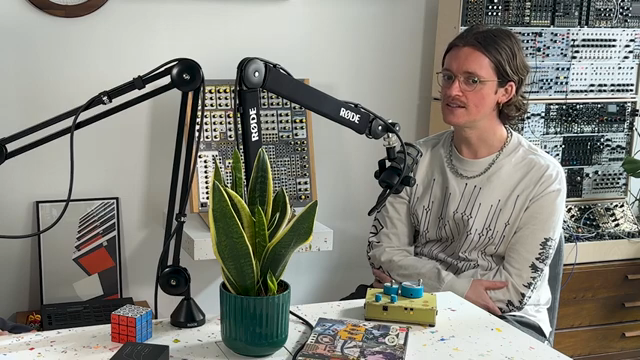
"We are moving towards something that is usually a little bit more one big, juicy module that does a particular job, and it does it very well."
© Screenshot/Quote: Signal Sounds (YouTube)
Ecosystem Wars: Proprietary Paths & Modular Innovation
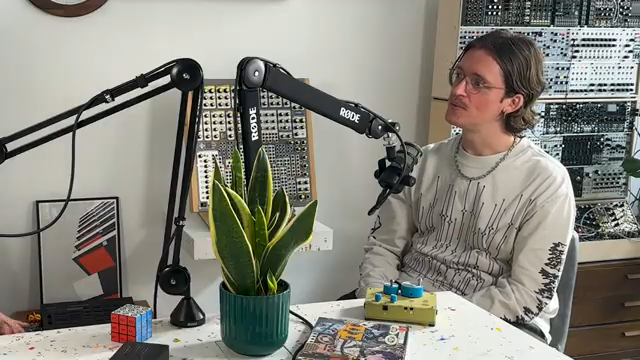
"It's almost like adding another barrier of entry to a whole ecosystem that already has a barrier of entry."
© Screenshot/Quote: Signal Sounds (YouTube)
Tom and Luke wade into the murky waters of proprietary ecosystems, asking if these closed worlds are the future or just another rabbit hole. Chaos Devices’ Leibniz binary subsystem, Tiptop’s ART polyphony, and Make Noise’s new NUS system all get a mention. The jury’s out on whether these will spark the next modular revolution or just add another barrier to entry for the rest of us. It’s niche within a niche, and not everyone’s keen to buy into a whole new standard just to get a few extra features.
Still, the Signal Sounds crew can’t help but be tempted by Make Noise’s innovations, especially with their track record for shaking things up. They point out that while these ecosystems are designed to play nice together, they don’t lock you out of the wider modular world. The real question: will these systems make modular more powerful, or just more complicated? The debate gets spicy, and if you’re the type who loves a good gear argument, this section is pure gold.
The conversation then pivots to the ever-expanding capabilities of Eurorack – now you can do everything from compression to multi-track recording without ever touching a DAW. Tom and Luke are split on whether this is a blessing or a recipe for stress, but agree that for live performers, having it all in the rack is a serious flex. If you want to hear the full rant, you’ll have to tune in – it’s classic Signal Sounds banter.
Patch Hacks & User Demos: The Joy of Exploration
One of the best bits of this episode is the embedded clips from creative users showing off what these modules can really do. From Enrica’s Stolperbeats demo with its drunken, lurching grooves to the Unperson’s Rings video that takes a classic module and wrings out new textures, Signal Sounds make it clear: the real magic happens when you push beyond the obvious. These aren’t just product demos – they’re invitations to experiment.
If you want to get inspired, don’t just read about it – go watch the video. The sounds, the patching tricks, and the leftfield ideas are best experienced in action. Signal Sounds are all about encouraging deeper exploration, and this episode is packed with moments that’ll have you itching to try something weird in your own rack.
This article is also available in German. Read it here: https://synthmagazin.at/signal-sounds-liefern-sequencer-gold-podcast-ep2-im-review/
Watch on YouTube:
Latest articles
Watch on YouTube:
Visit the channel:
https://www.youtube.com/signal-sounds
https://www.youtube.com/signal-sounds
Links from signal-sounds:
website: https://www.signalsounds.com
instagram: https://www.instagram.com/signal_sounds
facebook: https://www.facebook.com/signalsoundsuk
Sponsored links:
If you purchase via these links, we may earn a small commission – at no extra cost to you. The link opens an Amazon keyword search, and results may vary depending on availability.
Altered State Machines Aristotle
🔗 Check price on Amazon
🔗 Check price on Amazon
Dannysound Tobinski Sequencer Eurorack Module
🔗 Check price on Amazon
🔗 Check price on Amazon
Fancy Synthesis Rung Divisions Eurorack Polyrhythmic Divider Sequencer Generator Module
🔗 Check price on Amazon
🔗 Check price on Amazon
Make Noise René Mk2 Cartesian Eurorack Sequencer Module
🔗 Check price on Amazon
🔗 Check price on Amazon
Making Sound Machines Stolperbeats Eurorack Drum Sequencer Module
🔗 Check price on Amazon
🔗 Check price on Amazon
New Systems Instruments Discrete Map Eurorack Sequencer Module
🔗 Check price on Amazon
🔗 Check price on Amazon
Noise Engineering Multi Repetitor Eurorack Trigger Sequencer Module
🔗 Check price on Amazon
🔗 Check price on Amazon
Xaoc Devices Moskwa II Eurorack Sequencer Module
🔗 Check price on Amazon
🔗 Check price on Amazon