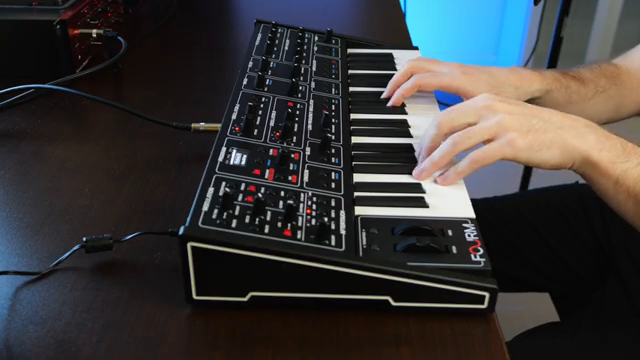
Sequential’s latest synth, the Form, steps into the spotlight with a focus on polyphonic aftertouch and its transformative impact on expressive performance. In this official video, Glasys demonstrates how the Form’s newly designed keybed and poly AT implementation open up nuanced ways to shape sound—no virtuoso skills required. The presentation is classic Sequential: practical, musician-focused, and brimming with hands-on examples that highlight both the instrument’s sonic depth and its workflow potential. If you’re curious about how polyphonic aftertouch can actually change your playing, this is a concise, revealing showcase.
1. October 2025
LYRA
Sequential Unveils Form: Polyphonic Aftertouch as Expressive Architecture
Meet Form: Small Frame, Big Expression
Sequential’s new Form synth is introduced by Glasys, who immediately sets the tone: don’t be fooled by its compact size. The Form is lightweight, but its sound is anything but small. The real headline here is the brand new keybed, designed specifically for this instrument, which brings polyphonic aftertouch to the forefront of expressive play.
The video wastes no time in highlighting the importance of this new keybed. Glasys emphasizes that while the synth is approachable, its polyphonic aftertouch capabilities are deep and rewarding. Sequential’s focus on a musician-centric workflow is clear, as the Form invites players to explore nuanced expression without requiring advanced technical skills.
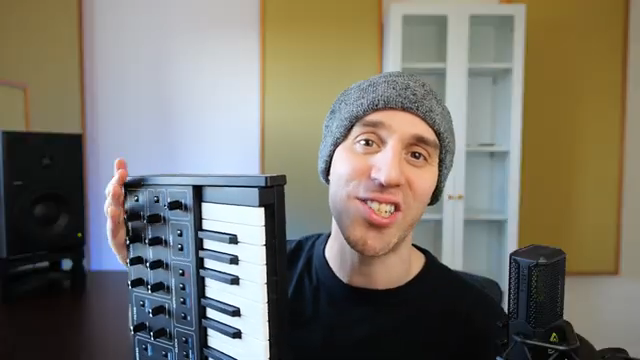
"They designed a brand new keyboard for this synth and it's really expressive and really fun to play."
© Screenshot/Quote: Sequentialllc (YouTube)
Poly Aftertouch in Action: Filters, Pitch, and LFOs
"I can emphasize different notes in the chord without actually lifting my hands off the keys."
© Screenshot/Quote: Sequentialllc (YouTube)
Glasys dives into practical demonstrations, starting with filter cutoff modulation via polyphonic aftertouch. The ability to emphasize individual notes within a chord—without lifting your hands—immediately showcases the tactile depth of the Form. This is not just a surface-level feature; it’s a hands-on tool for dynamic sound shaping.
Next, he shifts to per-key pitch modulation, effectively turning poly aftertouch into a set of independent pitch benders. Using a bell patch, Glasys demonstrates how pressing harder on specific keys can raise their pitch by a whole step, illustrating the creative flexibility this brings to melodic and harmonic work. The workflow here is direct and intuitive, letting players sculpt sound in real time.
The LFO frequency modulation example further expands the palette. By mapping aftertouch to LFO speed, Glasys creates subtle tremolo variations on a Whirly-type patch. The effect is nuanced, showing that poly aftertouch isn’t just for dramatic sweeps—it can also deliver delicate, musical movement that responds to the performer’s touch.
Nuance and Texture: Poly Aftertouch as Creative Catalyst
The presentation turns to how polyphonic aftertouch can be used to create complex textures and layered soundscapes. Glasys demonstrates that by selectively applying pressure to certain notes, it’s possible to make a single patch sound like two distinct instruments playing simultaneously. This opens up new territory for live performance and studio layering, all from a single keybed.
Sequential’s implementation allows for subtlety as well as bold gestures. The ability to control parameters like amp level and filter cutoff on a per-note basis means that expressive detail is always at the player’s fingertips. This section underscores how poly aftertouch is not just a technical spec, but a genuine creative tool for nuanced sound design.
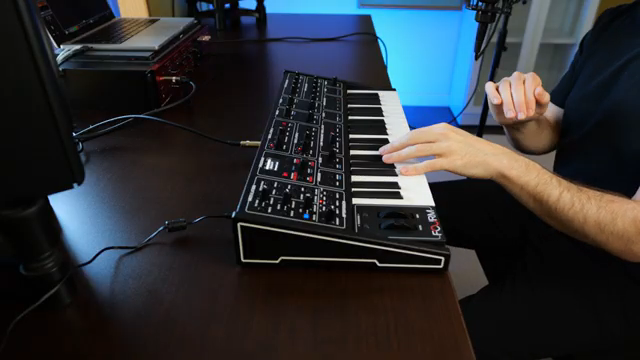
"If you only apply Poly Aftertouch to specific notes, it can almost sound like two different sounds happening simultaneously."
© Screenshot/Quote: Sequentialllc (YouTube)
Performance Workflows: Arpeggios, Layered Modulations, and Beyond
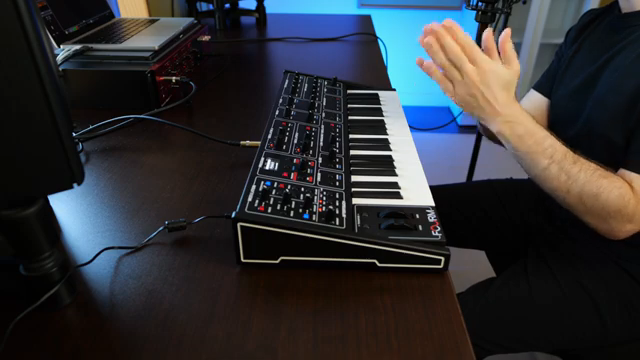
"You can create really subtle movement and variance between notes using Poly Aftertouch."
© Screenshot/Quote: Sequentialllc (YouTube)
Glasys explores the performance potential of polyphonic aftertouch in various musical contexts. Using arpeggiated sounds, he shows how individual notes in an arpeggio can be emphasized or modulated independently, adding a new dimension to rhythmic and melodic patterns. This is a clear workflow advantage for anyone building evolving sequences or live improvisations.
The video also covers the ability to modulate multiple parameters simultaneously—such as filter cutoff and vibrato LFO amount—using poly aftertouch. This layered approach allows for complex, evolving timbres that respond organically to the performer’s touch. It’s a workflow that rewards experimentation and invites players to push beyond static presets.
Finally, Glasys highlights the value of subtle modulation. Polyphonic aftertouch isn’t just about dramatic effects; it excels at creating gentle, organic movement between notes. The Form’s architecture supports both extremes, making it a versatile tool for expressive musicianship. Sequential’s design philosophy comes through clearly: empower players to shape sound as intuitively as possible.
This article is also available in German. Read it here: https://synthmagazin.at/sequential-praesentiert-form-polyphoner-aftertouch-als-ausdrucksarchitektur/
Watch on YouTube:
Latest articles
Watch on YouTube:
Visit the channel:
https://www.youtube.com/SequentialLLC
https://www.youtube.com/SequentialLLC
Links from SequentialLLC:
website: https://sequential.com
facebook: https://www.facebook.com/sequentialLLC
twitter: https://twitter.com/sequentialLLC
soundcloud: https://soundcloud.com/sequential_llc
instagram: https://instagram.com/sequential_llc
Sponsored links:
If you purchase via these links, we may earn a small commission – at no extra cost to you. The link opens an Amazon keyword search, and results may vary depending on availability.
Sequential Form
🔗 Check price on Amazon
🔗 Check price on Amazon