Rapid Flow’s Erik dives headfirst into a synth shootout you lot demanded: Zensphere, DIVA, and Serum 2 in a no-holds-barred comparison. Forget the marketing fluff—this is about CPU carnage, interface sanity, and which one actually drops into your mix without a fight. Erik’s style is all about cutting through the techy nonsense and getting straight to what matters for real-world producers. If you’re sick of synths that eat your laptop alive or menus that feel like a maths exam, this is the face-off you need. Spoiler: there’s no mercy for bloated GUIs or CPU hogs. Strap in.
28. January 2026
SPARKY
Rapid Flow’s Triple Threat: Zensphere vs DIVA vs Serum 2 – Which Synth Survives the Rave Bunker?
Three Titans Enter: Zensphere, DIVA, Serum 2
Rapid Flow’s Erik wastes no time—straight into the synth pit with Zensphere, DIVA, and Serum 2. No endless backstory, just a quick nod to the legends behind DIVA and Serum 2 before the gloves come off. The mission: find out if Zensphere can really stand toe-to-toe with these heavyweights or if it’s just another preset pusher in a crowded field.
We get a taste of each synth’s flavour right out of the gate. Erik’s approach is refreshingly direct—he’s not here to worship at the altar of complexity. Instead, he’s after what actually works in a track, not just what looks good on a plugin screenshot. The focus is on sound quality, workflow, and whether these synths can slide into a mix without needing a PhD in post-processing. If you want endless menu-diving, look elsewhere.
CPU Smackdown: Who Eats Your Laptop?
Let’s talk raw power. Erik puts all three synths through a CPU stress test on a beefy M1 Max MacBook Pro. DIVA, as expected, guzzles CPU like it’s at an all-night free bar—hitting levels that’ll make your fans scream. Serum 2 isn’t exactly lightweight either. But Zensphere? Barely tickles the processor, running at a fraction of the load. For anyone who’s ever watched their DAW stutter mid-jam, this is the kind of efficiency that matters. No need for a nuclear reactor under your desk just to run a few chords.
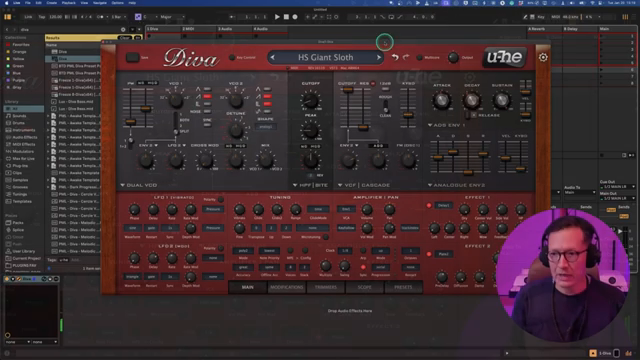
"I'm a little shocked on the CPU consumption, holy s**t, that's intense."
© Screenshot/Quote: Rapidflow Shop (YouTube)
Interface Wars: Zen or Overwhelm?
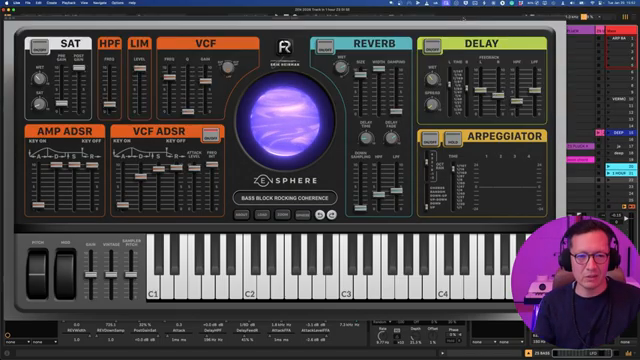
"The goal with Zensphere was to create an interface that was very low cognitive overload where you could take one glance and basically recognize what's happening with your patch."
© Screenshot/Quote: Rapidflow Shop (YouTube)
Here’s where things get spicy. Zensphere’s interface is all about low cognitive load—one glance, and you know what’s happening. Erik highlights how quick tweaks like adding delay, reverb, or filter changes are a breeze. The design is about getting sounds into your track fast, not getting lost in a maze of tabs and hidden menus. Features like high and low cuts on effects make it dead simple to keep your mix clean without faffing about.
Then comes the contrast: DIVA and Serum 2 might have all the options in the world, but that comes at the price of usability. Erik admits even he gets overwhelmed by the sheer volume of parameters—great for deep sound design, but a vibe killer if you just want to get tracks moving. Serum 2’s flashy GUI gets a nod for style, but both rivals end up feeling like synths for menu masochists. Zensphere’s philosophy is clear: less is more, especially when you want to stay in the groove instead of the settings menu.
Patch Play: The Sound Showdown
Now for the real test—how do these synths actually sound? Erik runs through patches on all three, and the differences are obvious. DIVA brings that lush, analog-style warmth, earning its rep as the digital benchmark. Serum 2 is all about versatility and wild modulation, but sometimes misses that organic drift unless you dig deep. Zensphere, meanwhile, is designed to be mix-ready straight out of the box—no endless EQ or compression needed.
What stands out is how Zensphere’s sampled approach gives it a unique edge: a massive palette of presets and raw waveforms, all sampled from hardware. Erik shows off the ability to swap waveforms under any preset, keeping things fresh without the CPU hit. If you want to hear the real difference, though, you’ll need to check the video—words can’t do justice to the full sonic street fight happening here.
Final Verdict: Pick Your Weapon Wisely
Erik wraps up with some hard truths: all three synths are monsters in their own right, but your workflow should decide which one gets a slot in your arsenal. If you crave deep sound design and endless modulation, Serum 2 is your playground. If you want that classic analog vibe and don’t mind a CPU hit, DIVA still rules the digital roost. But if you’re after instant, mix-ready sounds with zero fuss and minimal CPU drain, Zensphere is the street weapon you want. No synth is perfect for everyone—pick the one that keeps your creative flow alive, not the one that buries you in menus.
"I think the one place where it's very obvious is CPU load is almost nothing on Zensphere compared to the others."
© Screenshot/Quote: Rapidflow Shop (YouTube)
This article is also available in German. Read it here: https://synthmagazin.at/rapid-flow-im-synth-battle-zensphere-vs-diva-vs-serum-2-wer-ueberlebt-den-rave-bunker/
Watch on YouTube:
Latest articles
Watch on YouTube:
Visit the channel:
https://www.youtube.com/RapidFlow_Shop
https://www.youtube.com/RapidFlow_Shop
Links from RapidFlow_Shop:
Rapid Flow Store: https://rapidflow.shop
Instagram: https://www.instagram.com/rapidflow_shop/
Facebook: https://facebook.com/SetsunaMusic
Sponsored links:
If you purchase via these links, we may earn a small commission – at no extra cost to you. The link opens an Amazon keyword search, and results may vary depending on availability.
Diva
🔗 Check price on Amazon
🔗 Check price on Amazon
Serum 2
🔗 Check price on Amazon
🔗 Check price on Amazon
Zensphere
🔗 Check price on Amazon
🔗 Check price on Amazon