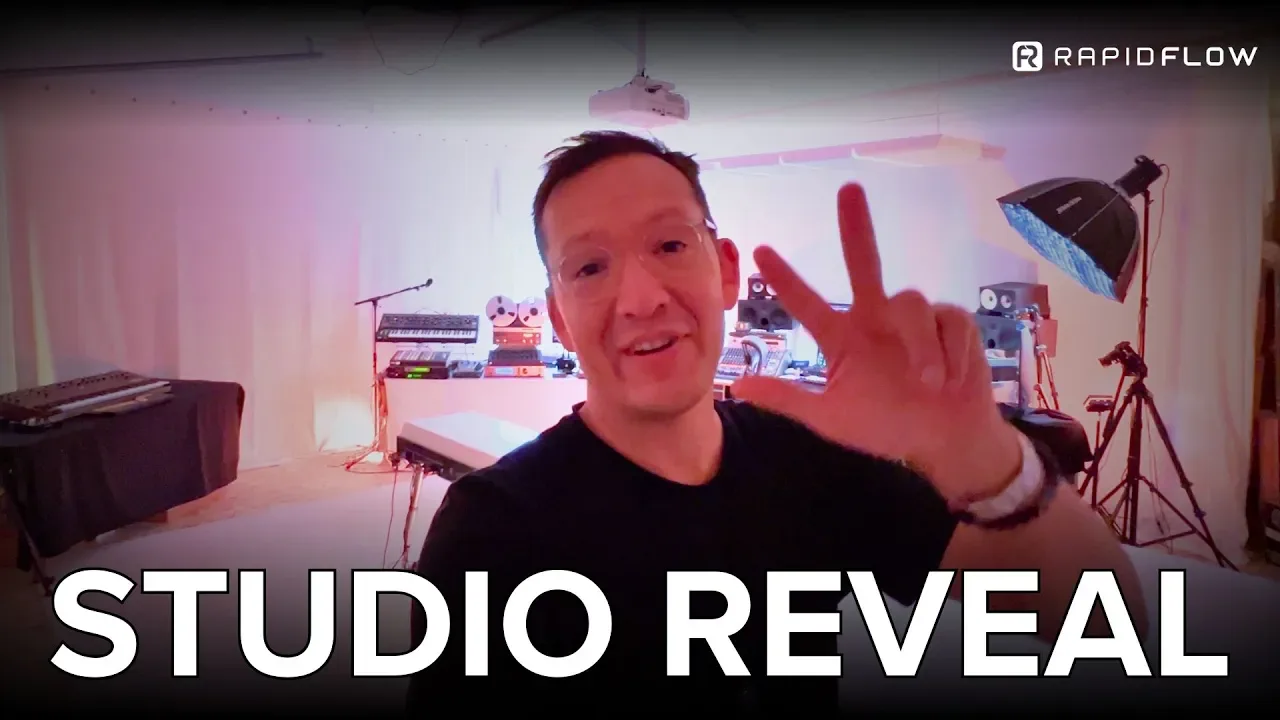
Ever wondered if you could turn a garage that sounds like a cathedral into a studio that actually slaps? Rapid Flow’s Erik just did it, and he’s giving us the full, no-BS tour. Expect clever gear moves, DIY acoustic hacks, and enough workflow tweaks to make your head spin. If you’re tired of sterile, overpriced studio builds, this one’s for you: real gear, real mistakes, and a space that finally lets the music flow. Pull up a chair, because Erik’s approach is as sharp as his synth collection—and there’s plenty to steal for your own bunker.
15. December 2025
SPARKY
Rapid Flow’s Garage Makeover: From Echo Chamber to Sonic Street Weapon
Cosmos, Eventide H4000, Mercury X, Moog Matriarch, Neo Harp, Prophet 10, Prophet 600, Revox, Roland RSP-550, Sony V77, Synthsphere (Software), Vermona, Waldorf Iridium, Waldorf Zarenbourg
From Echoes to Engine Room: The Studio Overhaul
Rapid Flow’s Erik doesn’t mess about—he’s gutted an echoey garage and rebuilt it into a studio that actually works, not just for show. The tour kicks off with a look at the space before the transformation, and let’s just say, the original reverb was more cathedral than club. But after weeks of late-night DIY and some serious planning, the place is now all about flow, not frustration.
What stands out is the mix of practical thinking and creative hacks. Erik’s not out here buying every shiny thing; he’s making what he’s got work, shifting gear and workflow zones until the space feels right. There’s a sense of negative space—rare in home studios—giving the whole bunker a vibe that’s both focused and relaxed. It’s not just a gear dump; it’s a room built for music, not Instagram likes.
Gear Choices: Tools, Not Toys
Erik’s gear picks are all about function. The desk is custom, the mixer’s finally where it should be, and every synth and effect has its own channel—no more cable spaghetti or wasted time. The Prophet 600 gets pride of place, and the Waldorf Iridium is front and centre for a reason: it’s a sonic chameleon, handling everything from analog warmth to digital weirdness. Even the patchbay is now within arm’s reach, so routing is a breeze.
There’s no hoarding for the sake of it. Some synths are on the chopping block, others have been replaced by software (Synthsphere, anyone?), and the outboard FX rack is stacked with purpose. Erik’s workflow is about reducing friction—everything’s set up so he can hit record and actually make music, not just tweak settings for hours. It’s a rig that’s ready for action, not just for show-and-tell.
DIY Acoustics: Bass Traps, Molton, and a Bit of Luck
Forget overpriced foam pyramids—Erik’s acoustic treatment is all about massive homemade bass traps and a clever use of Molton fabric. The before-and-after is wild: what started as an echo chamber is now a controlled, dry space where the low end doesn’t run riot. The measurements back it up, with a tight SPL variance and decay times that would make most bedroom producers jealous.
The Molton curtain hack is the real star here. It’s theatre-grade fabric, hung with a bit of DIY ingenuity, and it soaks up mids and highs without killing the vibe. Add in a cloud for ceiling reflections, some strategic cardboard boxes, and a wooden floor, and you’ve got a space that’s balanced without being dead. It’s proof you don’t need to torch your wallet to get pro results—just a bit of sweat, some luck, and the right materials.

"These massive bass traps that I had built were the best thing that I decided to do."
© Screenshot/Quote: Rapidflow Shop (YouTube)
Budget Breakdown: Studio on the Cheap (But Not Nasty)
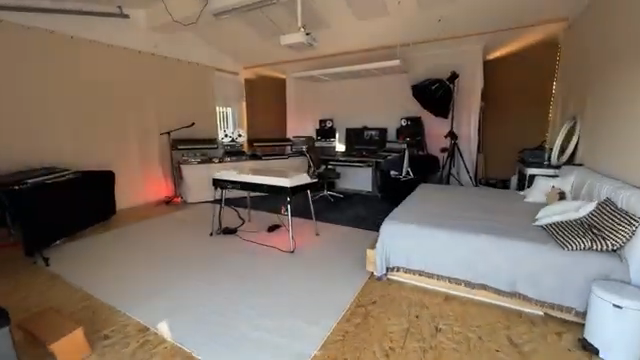
"The whole studio build to turn this garage, which sounded like an echo chamber, into one of the best acoustic spaces I've ever had was under 2K."
© Screenshot/Quote: Rapidflow Shop (YouTube)
Here’s where Erik gets brutally honest about the cash. The whole build—floor, traps, Molton, the lot—came in under €2,000. That’s a fraction of what the pros quoted, and the sound is better than most so-called ‘boutique’ studios. He’s recycled where possible, splurged where it counts (like the floor and bass traps), and ignored the snake oil. If you’re thinking about copying this, Basotec is the only foam he rates, and the Molton curtains are fire retardant, so you won’t accidentally turn your rave bunker into a bonfire.
The key lesson? Don’t get mugged by acoustic snake oil. Erik’s approach is about smart choices and practical hacks, not buying your way out of problems. If you want a studio that sounds good and doesn’t bankrupt you, this is the blueprint. It’s DIY, but it’s not dodgy—it’s just smart, and it works.
See It, Hear It: The Video’s Where the Magic Is
Words and photos don’t do this transformation justice. If you want to hear how the room actually sounds, see the workflow in action, or just ogle the gear, you need to watch the video. Erik’s walkthrough is packed with details, sound tests, and the kind of hands-on tweaks you can’t get from an article. Trust me—some things are just better experienced with your own ears and eyes.
This article is also available in German. Read it here: https://synthmagazin.at/rapid-flow-macht-aus-einer-garage-ein-studio-vom-hallbunker-zur-klangwaffe/
Watch on YouTube:
Latest articles
Watch on YouTube:
Visit the channel:
https://www.youtube.com/RapidFlow_Shop
https://www.youtube.com/RapidFlow_Shop
Links from RapidFlow_Shop:
Rapid Flow Store: https://rapidflow.shop
Instagram: https://www.instagram.com/rapidflow_shop/
Facebook: https://facebook.com/SetsunaMusic
Sponsored links:
If you purchase via these links, we may earn a small commission – at no extra cost to you. The link opens an Amazon keyword search, and results may vary depending on availability.
Cosmos
🔗 Check price on Amazon
🔗 Check price on Amazon
Eventide H4000
🔗 Check price on Amazon
🔗 Check price on Amazon
Mercury X
🔗 Check price on Amazon
🔗 Check price on Amazon
Moog Matriarch
🔗 Check price on Amazon
🔗 Check price on Amazon
Neo Harp
🔗 Check price on Amazon
🔗 Check price on Amazon
Prophet 10
🔗 Check price on Amazon
🔗 Check price on Amazon
Prophet 600
🔗 Check price on Amazon
🔗 Check price on Amazon
Revox
🔗 Check price on Amazon
🔗 Check price on Amazon
Roland RSP-550
🔗 Check price on Amazon
🔗 Check price on Amazon
Sony V77
🔗 Check price on Amazon
🔗 Check price on Amazon
Synthsphere (Software)
🔗 Check price on Amazon
🔗 Check price on Amazon
Vermona
🔗 Check price on Amazon
🔗 Check price on Amazon
Waldorf Iridium
🔗 Check price on Amazon
🔗 Check price on Amazon
Waldorf Zarenbourg
🔗 Check price on Amazon
🔗 Check price on Amazon