MORE ARTICLE WITH PoliMATHS

13. November 2025

MILES

Make Noise Output Mixing: Exploring Submixing on PoliMATHS and MultiWAVE

© Picture: MAKEN0ISE (YouTube)

Make Noise Output Mixing: Exploring Submixing on PoliMATHS and MultiWAVE

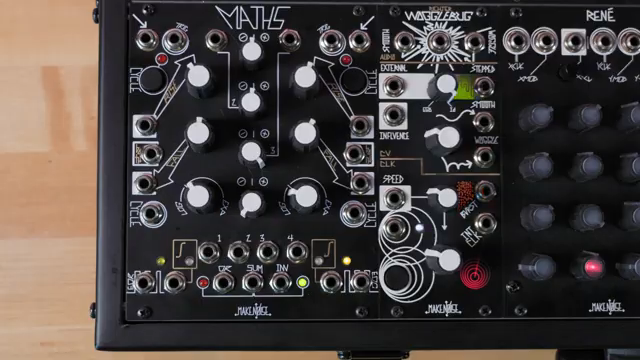
Make Noise, the Asheville-based modular mavericks, are back with a deep dive into output mixing on their latest modules: PoliMATHS and MultiWAVE. In this official walkthrough, the team demonstrates how both modules allow for flexible submixing, letting users group channels in unconventional ways for both modulation and voicing. The video walks through the button combinations needed to engage these features, shows off the LED feedback, and provides patch examples that highlight the creative potential of these submixes. If you’re curious about how these modules can slot into your rack for more complex signal routing, this is essential viewing.

,

13. November 2025

MILES

MAKEN0ISE PoliMATHS: Exploring Dual Cycle Modes for Modular Mayhem

© Picture: MAKEN0ISE (YouTube)

MAKEN0ISE PoliMATHS: Exploring Dual Cycle Modes for Modular Mayhem

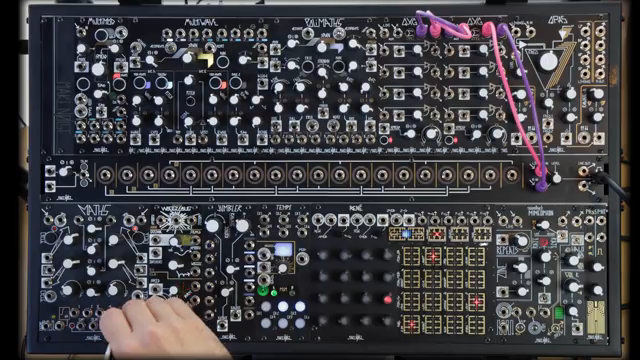
PoliMATHS, the latest modular offering from MAKEN0ISE, brings a fresh twist to cycling function generators with its two distinctive cycle modes. In classic Make Noise fashion, the official video walks us through both the simultaneous and chained cycling behaviours, showing how these modes can unlock new rhythmic and sequencing possibilities. Whether you’re after intricate polyrhythms or evolving cascades of modulation, PoliMATHS aims to be more than just another Maths clone—it’s a playground for patchers who crave interaction and control. Let’s dissect what these cycle modes actually do, how they’re accessed, and what creative doors they might open in a real-world

6. November 2025

MILES

MAKEN0ISE PoliMATHS: Oscillation, Submixing, and Audio-Rate Adventures

© Picture: MAKEN0ISE (YouTube)

MAKEN0ISE PoliMATHS: Oscillation, Submixing, and Audio-Rate Adventures

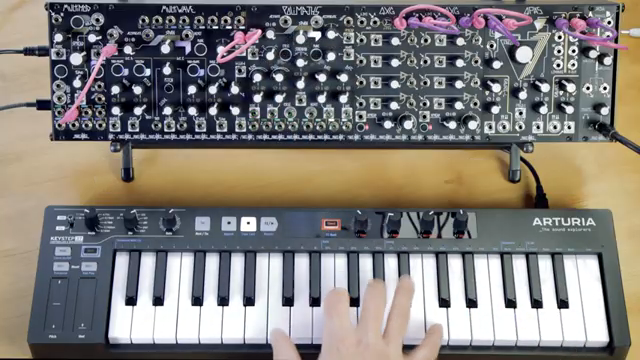
Make Noise, the Asheville-based maestros of modular mischief, dive deep into the less obvious corners of their PoliMATHS module in this exploratory video. The focus here is on how PoliMATHS can be more than just a modulation workhorse: it’s shown as a flexible audio-rate oscillator, a clever submixer, and a source of layered, complex signals. If you’ve ever wondered how to wrangle eight function generators into something more than the sum of their parts—or how to patch up a storm without a tangle of cables—this walkthrough is a must-watch for the patch-hungry and the curious alike.

, , ,

30. October 2025

MILES

Make Noise PoliMATHS: A Deep Dive into Span Modes and Modular Possibilities

© Picture: MAKEN0ISE (YouTube)

Make Noise PoliMATHS: A Deep Dive into Span Modes and Modular Possibilities

Make Noise, the Asheville-based champions of modular experimentation, return with a focused exploration of their new PoliMATHS module. In this official video, the team walks through the three distinctive span modes—Channel Index, Round, and Parallel—each unlocking a different approach to pattern generation across the module’s eight channels. Expect a patch-oriented demonstration, with voltage addressing, clocked sequencing, and clock division all on the menu. For those who thrive on creative modulation and intricate signal routing, this is a revealing look at how PoliMATHS can become the nerve centre of a Eurorack setup.

, , , , , , , ,

9. October 2025

MILES

All the Cycles: Make Noise’s Multimod, Polimaths and the Art of Modular Modulation

© Picture: MAKEN0ISE (YouTube)

All the Cycles: Make Noise’s Multimod, Polimaths and the Art of Modular Modulation

Make Noise, the Asheville-based champions of experimental modular, return with a deep dive into their new universal synthesizer system. In this video, the team explores the Multimod module and its evolving relationship with Polimaths and QXG, revealing how firmware updates and clever cycling modes open up a world of modulation possibilities. Expect a patch-oriented walkthrough, a look at the new USB update process, and a taste of how these modules interact to create complex, stereo-rich soundscapes. It’s classic Make Noise: exploratory, a bit eccentric, and always focused on what happens when you let the patch cables lead the way.

, , ,