Polyend, the Polish purveyors of experimental hardware, have unleashed the Mess—a four-track multi-effect pedal that’s clearly aimed at those who like their audio sliced, diced and thoroughly mangled. In their latest video, the official Polyend team walks us through the Mess’s arsenal of glitch-centric effects, from spectralizers to granular bursts, all sequenced and combined in ways that would make even the most jaded modular head raise an eyebrow. If you’ve ever wondered how to turn a humble beat or melody into a rhythmic, unpredictable glitch-fest, this is one for your watchlist. Let’s see what makes the Mess tick, and how it might slot into your next patching session.
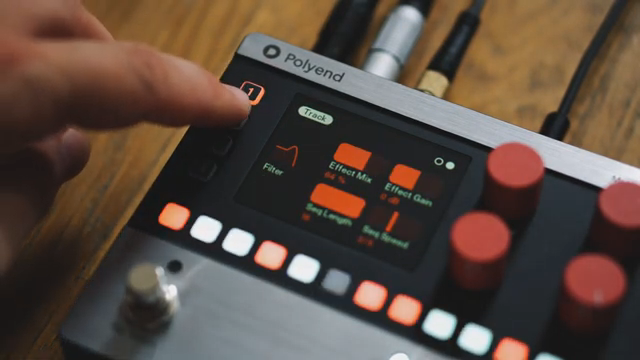
Meet the Mess: A Playground for Glitch Tinkerers
Polyend’s Mess is introduced as a four-track multi-effect pedal purpose-built for those who revel in glitch and experimental sound design. The video wastes no time showing that this isn’t your average effects box; instead, it’s a device that encourages creative chaos, letting users sequence and combine effects in real time. The emphasis is on live manipulation, with the pedal serving as a hub for unpredictable, evolving textures.
From the outset, it’s clear that Mess is designed to be more than just a static processor. The ability to sequence microloopers and other effects simultaneously means that users can construct complex, layered glitch patterns on the fly. This approach aligns with Polyend’s reputation for performance-oriented, artist-focused tools that reward hands-on experimentation.
A Buffet of Effects: Spectralizers, Granulizers and Beyond
The Mess doesn’t skimp on its effects selection. Polyend showcases a range that includes spectralizers, granulizers, bit crushers, and even reverb, all available for sequencing and combination. The video highlights how these effects can be stacked or run in parallel, opening up a wide sonic palette for the adventurous user.
What stands out is the pedal’s flexibility: users aren’t locked into a single effect path. Instead, they can freely mix and match, creating everything from harsh digital artifacts to lush, smeared ambiences. The inclusion of bit crushers and spectral effects hints at a device that’s as comfortable mangling audio into digital oblivion as it is crafting shimmering, spectral washes.
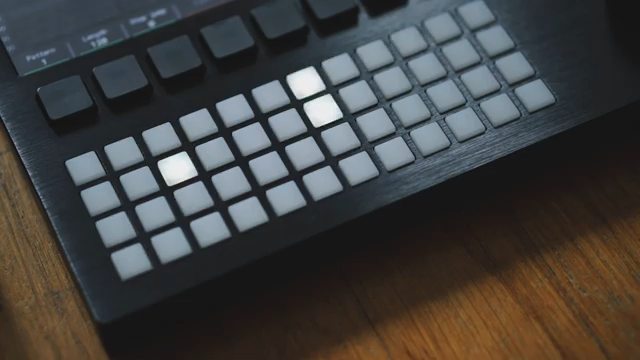
"the ability to sequence and combine any effects from spectralizers to granulizers, bit crushers or even reverb makes Mess a glitch pedal that's hard to match."
© Screenshot/Quote: Polyend (YouTube)
Microlooper Mayhem: Slicing, Dicing and Pitch Shifting
"Microloopers can slice, dice and rearrange audio into unpredictable, creative textures."
© Screenshot/Quote: Polyend (YouTube)
A major focus of the video is the Mess’s suite of microlooper modes. There are six in total, with two dedicated to reverse looping and four offering various slicing options. These modes aren’t just for basic looping—they include pitch shifting and stereo ping pong variations, allowing for intricate manipulation of incoming audio.
Polyend demonstrates how changing sequence length and speed on the fly can yield ever more complex glitch textures. The microloopers can be run in parallel, ensuring that repeats and slices never interfere with each other—a boon for those who like their chaos controlled. The ability to pitch shift instantly, or to apply slope for gradual pitch changes, adds another layer of expressive control to the Mess’s looping arsenal.
Sequencing and Parameter Play: Crafting Unique Glitchscapes
The Mess isn’t just about stacking effects—it’s about sequencing them in creative ways. The video shows how users can create glitch effects by sequencing momentary bursts of different effects, chaining together delays, reverbs, and sample rate reduction for rhythmic, evolving results. Changing parameters like sequence length and speed mid-performance allows for textures that morph and mutate in real time.
Experimentation is encouraged, with Polyend suggesting combinations like reverse microloopers into formant filters, or multiple granular engines feeding a reverb. The result is a device that rewards curiosity, letting users stumble upon new glitch effects simply by tweaking a few knobs or rearranging the effect order.

"Create glitch effects by sequencing momentary instances of any effect."
© Screenshot/Quote: Polyend (YouTube)
From Any Sound to Glitchy Groove: Mess in the Creative Workflow
Perhaps the most impressive aspect of the Mess is its ability to transform any audio source—be it a beat, melody, or even pure noise—into a rhythmic, glitchy sequence. The video closes by demonstrating how probability and generative sequencing can turn the pedal into a self-evolving glitch machine, perfect for those who want their patches to surprise them.
For modular heads and pedalboard experimentalists alike, the Mess looks to be a potent tool for injecting unpredictability and texture into any setup. It’s a device that doesn’t just process sound—it fundamentally reshapes it, inviting users to push their audio into uncharted territory.
This article is also available in German. Read it here: https://synthmagazin.at/polyend-mess-glitch-alchemie-in-einer-box/
Watch on YouTube:
Latest articles
Watch on YouTube:
Visit the channel:
https://www.youtube.com/Polyend
https://www.youtube.com/Polyend
Links from Polyend:
website: https://polyend.com
instagram: https://instagram.com/madeinpolyend
facebook: https://www.facebook.com/polyend
twitter: https://twitter.com/madeinpolyend
soundcloud: https://soundcloud.com/polyend
Sponsored links:
If you purchase via these links, we may earn a small commission – at no extra cost to you. The link opens an Amazon keyword search, and results may vary depending on availability.
Polyend MESS
🔗 Check price on Amazon
🔗 Check price on Amazon