Nu-Trix The Synth Guy isn’t here to hold your hand—he’s here to shove you headfirst into the Korg Drumlogue’s hybrid chaos. This isn’t your average drum machine walkthrough; it’s a rave bunker deep-dive into analog grit and digital trickery, with Nu-Trix’s signature blend of sharp tips and no-nonsense delivery. If you think you know the Drumlogue, think again—Nu-Trix peels back the layers, showing how to twist, mangle, and reimagine every generator and sample slot. Whether you’re after 808 thunder, glitch hats, or MIDI wizardry, this guide is your ticket to the weird end of the groovebox spectrum. But trust me, you’ll want to watch the video for the full sonic carnage.

7. November 2025
SPARKY
Nu-Trix The Synth Guy Unleashes the Drumlogue: Hybrid Mayhem for Sound Designers
Hybrid Beast Mode: Drumlogue’s Split Personality
The Korg Drumlogue isn’t just another drum machine—it’s a Frankenstein’s monster, fusing real analog circuits with digital sample power. Nu-Trix The Synth Guy wastes no time making it clear: this box is weird, and that’s a compliment. The first four voices are true analog, the rest are digital, and you even get a virtual synth engine to load in custom user oscillators. It’s a playground for anyone who likes their beats with a side of chaos.
What really sets the Drumlogue apart is its ability to save your analog tweaks as kits—a luxury most classic analog drum machines don’t offer. No more losing your perfect kick when you power down. Nu-Trix points out that this hybrid approach means you’re not stuck with factory sounds or panel-only edits. You can sculpt, save, and recall your dirtiest drum concoctions, making the Drumlogue a proper street weapon for live and studio mischief.
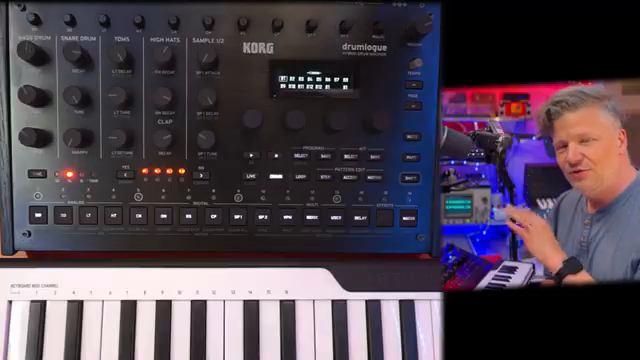
"The Drumlog is weird in the fact that it's an hybrid drum machine."
© Screenshot/Quote: Nu Trix (YouTube)
Deep Dive: Analog and Digital Sound Design Tricks
"Keep in mind that these are called bass, snare, low tum and high tum, but they're generators and using the filters and the impact. We can tweak them and change it into something you would like."
© Screenshot/Quote: Nu Trix (YouTube)
Nu-Trix dives straight into advanced sound design, showing how the analog engines aren’t just for vanilla kicks and snares. By abusing drive, sweep, hold, and resonance, you can morph a tom into a rumbling sub or a snare into a hi-hat. Forget the labels—these are sound generators, not fixed roles. The Drumlogue’s analog section rewards anyone willing to push past the presets and get their hands dirty.
On the digital side, it’s all about bending samples and exploiting the quirks of the interface. Nu-Trix highlights how some parameters live on the front panel while others hide in menus—a bit of a toaster-fight, but once you’re in, you can twist start points, tune, and redux your way to glitchy hats or synth stabs. The user oscillator slot opens up even more mutant possibilities, letting you load custom expansions for sample playback or wild synthesis. If you want polite drums, look elsewhere.
Workflow Weapons: MIDI, Modulation, and Real-Time Control
Nu-Trix isn’t just about sound design—he’s all about hacking the workflow. The Drumlogue’s MIDI routing is flexible, letting you play everything on one channel or split voices across twelve for DAW or sequencer control. Analog parts can’t be played chromatically, but digital and user slots can, so you can bash out melodic lines or weird vocal chops right from your keyboard.
Sample modulation is where things get spicy. You can automate start points, tune, and even motion-sequence parameters for evolving, unpredictable patterns. Real-time tweaks are encouraged—Nu-Trix shows how recording motion on the fly can turn a basic beat into a glitchy, shifting monster. It’s the kind of hands-on control that makes the Drumlogue more than just a static box—it’s a live instrument, ready for abuse.
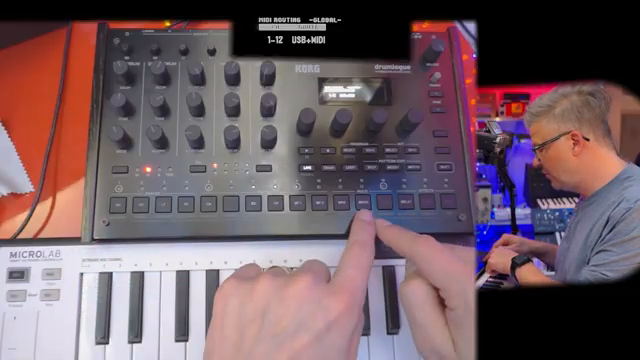
"You've got 12 channels controlling 12 separate sounds."
© Screenshot/Quote: Nu Trix (YouTube)
Pattern Hacking: From Rumble Kicks to Glitch Hats
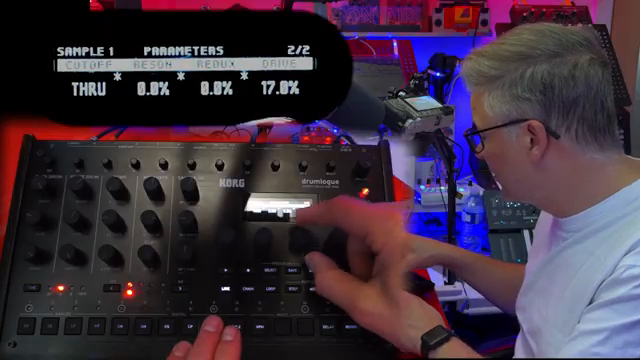
"What could be interesting is when I use the sequencer, is to record the motion of the star, so depending on, I could start no brains or lots of money, depending on where I want to position that value in the sequence."
© Screenshot/Quote: Nu Trix (YouTube)
If you want to see the Drumlogue’s true colours, you need to watch Nu-Trix cook up patterns from scratch. He demonstrates how to turn any generator into anything—toms become sub-bass, snares become hats, and samples get mangled into synths or noise bursts. The VPM (Variable Phase Modulation) engine is a highlight, letting you dial in FM-style grit, noise, and decimation for drums that sound like they’ve been dragged through a warehouse floor.
Nu-Trix’s practical examples aren’t just about showing off presets—they’re about inspiring you to break the rules. Whether it’s sequencing sample start points for vocal chops, layering redux for digital dirt, or abusing the noise engine for metallic snares, the video is packed with ideas you’ll want to nick for your own tracks. But let’s be honest: the real magic is in the sounds, and you’ll need to watch the video to hear just how filthy things can get.
Go Deeper: Extended Video and Maximum Mayhem
Nu-Trix wraps up by reminding us that this is just the tip of the iceberg. The extended version of the video dives even deeper, with full kit builds, downloadable patterns, and more advanced tips for squeezing every drop of weirdness from the Drumlogue. If you’re serious about turning this hybrid beast into your own rave bunker, you owe it to yourself to check out the full guide. Trust me—some things just can’t be explained in text.
This article is also available in German. Read it here: https://synthmagazin.at/nu-trix-the-synth-guy-entfesselt-den-drumlogue-hybrid-chaos-fuer-sounddesigner/
Watch on YouTube:
Latest articles
Watch on YouTube:
Visit the channel:
https://www.youtube.com/Nu-trix
https://www.youtube.com/Nu-trix
Links from Nu-trix:
website: https://www.nu-trix.com
facebook: https://www.facebook.com/nutrixmtl
instagram: https://www.instagram.com/nutrixsynthguy
twitter: https://twitter.com/nutrixmtl
patreon: https://www.patreon.com/nutrix
Sponsored links:
If you purchase via these links, we may earn a small commission – at no extra cost to you. The link opens an Amazon keyword search, and results may vary depending on availability.
Korg Drumlogue
🔗 Check price on Amazon
🔗 Check price on Amazon