In this deep-dive from NovationTV, composers Venus Theory and Jason Graves unravel the art of cinematic game music, using the Novation Summit as their creative backbone. The video is a masterclass in building narrative and atmosphere, demonstrating how sound design and adaptive music cues can shape the player’s journey. With a focus on hybrid textures, dynamic orchestration, and the power of hands-on hardware, the duo showcases both the technical and emotional sides of interactive game scoring. Novation’s signature practical, artist-focused approach is on full display, offering a glimpse into the workflows that drive modern game audio.
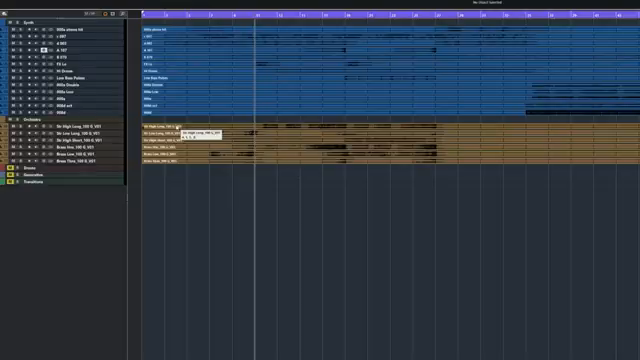
5. September 2025
LYRA
Novation Summit: Cinematic Game Scoring Reimagined by Venus Theory & Jason Graves
Setting the Scene: Narrative Soundscapes with Summit
Venus Theory and Jason Graves open the session by introducing their backgrounds in cinematic composition and sound design, quickly establishing a shared philosophy: music for games and film should instantly evoke a sense of place and narrative. Their approach is rooted in using sound as a storytelling device, aiming to dissolve the barrier between the player and the game world. The Novation Summit is positioned as a versatile tool for this purpose, thanks to its deep modulation capabilities and ability to generate evolving, unpredictable textures.
The duo emphasizes that the Summit’s flexibility allows for both precision and chaos, making it ideal for crafting soundscapes that feel alive and reactive. They set out to demonstrate how a single musical cue can be transformed into a fully interactive system, ready for integration into a game environment. This workflow—building from a simple idea, then deconstructing and adapting it for interactivity—serves as the backbone for the rest of the video.
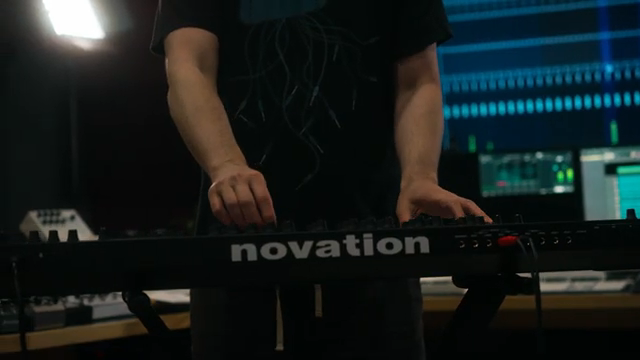
"You can literally program a patch that every time you hit the same key, it's giving you something different every time."
© Screenshot/Quote: Novationtv (YouTube)
Summit’s Sonic Palette: Atmospheres, Layers, and Orchestration
"What I love about what you initially sent over is it's simple, and there's opportunities for ideas, but it's also setting a vibe immediately."
© Screenshot/Quote: Novationtv (YouTube)
The creative process begins with the Summit’s factory patches, using basic sounds as the foundation for more complex textures. Venus Theory starts with patch 0-0-0-8, layering it with complementary elements and experimenting with one-shots and extreme time-stretching to create organic atmospheres from synthetic sources. This hybrid approach is central to their workflow, blurring the line between electronic and acoustic timbres.
As the arrangement develops, orchestral elements are introduced—melodies shaped by simple, repeating phrases, staccato strings, and eventually brass harmonies. The Summit’s ability to mimic string-like and brass-like textures is highlighted, with the synth’s modulation and layering options enabling expressive, cinematic gestures. The process is iterative: each new layer is evaluated for its narrative contribution, ensuring the music remains evocative yet uncluttered.
By the end of this segment, the track has evolved from minimal atmospheres to a fully realized melodic statement, ready to be segmented for adaptive use. The Summit’s strengths—hands-on control, modulation depth, and sound design versatility—are showcased as essential tools for building dynamic, game-ready music.
From Segments to Gameplay: Adaptive Music in Action
With the core musical material established, Venus Theory and Graves shift focus to structuring the music for gameplay. They break the composition into distinct segments—exploration, tension, and combat—each with its own sonic identity. This segmentation mirrors typical gameplay states, allowing the music to adapt fluidly as the player’s situation changes.
Transitions between these segments are crafted with simplicity in mind, making it easy to rearrange and trigger them dynamically within a game engine. The workflow demonstrated here is all about flexibility: by designing modular musical cues, the composers ensure that the soundtrack can respond to player actions, enhancing immersion and narrative pacing.
Middleware Magic: FMOD and Real-Time Musical Adaptation
The video then dives into the role of middleware—specifically FMOD—in bringing adaptive music to life. FMOD is described as a DAW-like environment for game audio, where musical segments and controls can be mapped to gameplay events. Venus Theory demonstrates how parameters like ambient intensity, quest progression, stealth, and combat states are linked to musical changes, allowing the soundtrack to react in real time to player decisions.
Dynamic controls such as intensity and low health are used to modulate the music’s energy, while transitions and pauses are handled through simple filtering and arrangement tweaks. The system is designed for both immediacy and musicality: transitions can be instant or synced to the beat, depending on the desired effect. This flexibility is crucial for maintaining immersion and supporting the game’s narrative flow.
The section concludes with a discussion of the creative freedom middleware offers. By pulling tracks apart and reassembling them in FMOD, composers can create long-form, ever-evolving soundtracks that remain engaging and contextually relevant. The Summit’s hands-on interface is praised for making deep sound design accessible without excessive menu-diving, streamlining the process of building adaptive music systems.
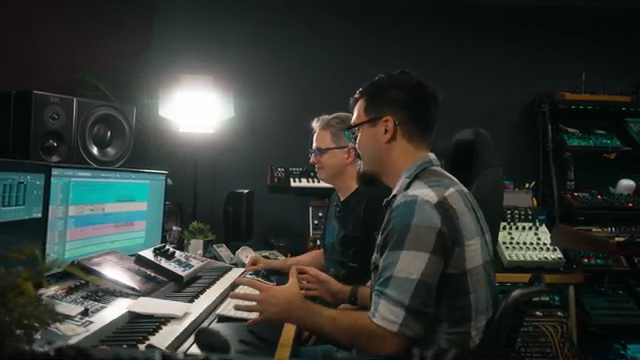
"That's the magic of middleware, is it lets you pull your tracks apart in really interesting ways and turn even pretty simple ideas into extremely long pieces of music that always keep moving."
© Screenshot/Quote: Novationtv (YouTube)
Creative Process and Philosophy: Originality Through Hardware
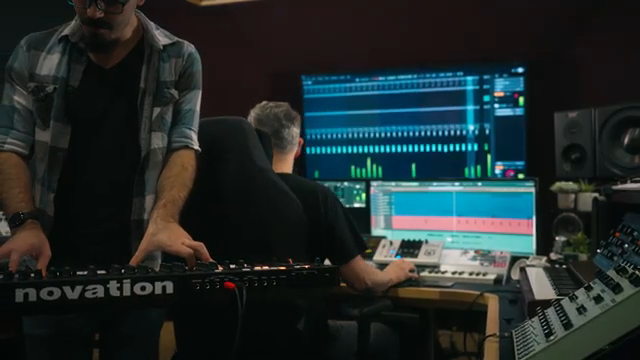
"Originality shines through ultimately, and being true to yourself, doing things that you think are interesting, using hardware that can help translate sort of what you're hearing in your brain that is unique and personal to you will translate to listeners down the road."
© Screenshot/Quote: Novationtv (YouTube)
In the final segment, Graves and Venus Theory reflect on their creative philosophies, advocating for originality and personal expression over following trends. They encourage composers to use hardware like the Summit to translate unique ideas from mind to music, leveraging the synth’s modulation, effects, and layering to craft distinctive sonic signatures.
The duo cautions against relying too heavily on reference material, suggesting that true artistic voice emerges from experimentation and self-discovery. Novation Components is mentioned as a resource for trying out the sounds created in the session, reinforcing the message that hands-on exploration is key to developing a compelling, individual sound.
This article is also available in German. Read it here: https://synthmagazin.at/novation-summit-cinematic-game-scoring-neu-gedacht-von-venus-theory-jason-graves/
Watch on YouTube:
Latest articles
Watch on YouTube:
Visit the channel:
https://www.youtube.com/NovationTV
https://www.youtube.com/NovationTV
Links from NovationTV:
website: https://novationmusic.com
instagram: https://instagram.com/wearenovation
twitter: https://twitter.com/WeAreNovation
facebook: https://facebook.com/NovationMusic
Sponsored links:
If you purchase via these links, we may earn a small commission – at no extra cost to you. The link opens an Amazon keyword search, and results may vary depending on availability.
Novation Summit
🔗 Check price on Amazon
🔗 Check price on Amazon