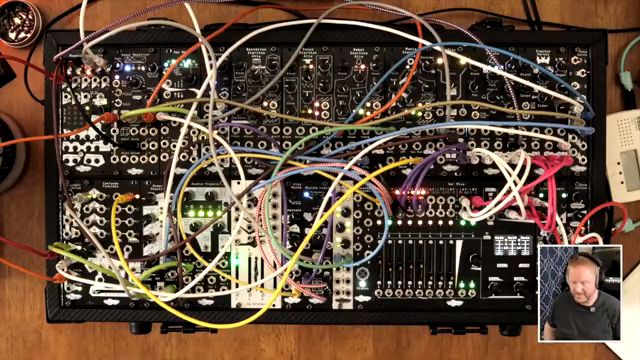
Noise Engineering’s latest patch breakdown is a deep dive into the modular trenches, where five distinct voices and a battalion of sequencers, envelopes and effects modules converge for a wild sonic ride. In this video, P.O.B. takes us through each element of a sprawling Eurorack patch, revealing the tricks behind aggressive kicks, evolving melodies, and cinematic drops. As ever with Noise Engineering, the focus is on hands-on modulation, creative routing and the sort of patching that makes you want to reach for your own stack of cables. If you’re after inspiration for rhythm, timbre and unconventional patching, this is a breakdown worth your voltage.
28. June 2025
MILES
Noise Engineering’s Modular Patch Dissected: Rhythms, Timbres and Sequencing Unleashed
Basimilus Iteritas Alia, Confundo Funkidos, Debel Iteritas Alia, Electus Versio, Gamut Repetitor, Horologic Solum, Incus Iteritas Alia, Kith Ruina, Lapsus Os, Librae Legio, Manis Iteritas Alia, Mimetic Digitalis, Muta Jovis, Numeric Repetitor, Op Ned, Pons Asinorum, Quantus Trajecta, Roucha Legio, Sinc Legio, Sono Abitus, Sync Defero, Xer Mixa, Yester Versio
Patch Anatomy: Five Voices, Infinite Possibilities
The video opens with P.O.B. laying down a dense, all-Noise Engineering modular jam, immediately setting the stage for a patch that’s as much about creative sequencing as it is about raw sound. There’s no shortage of modules here: five distinct voices, a web of sequencers, and a healthy dose of effects and modulation tools, all working in tandem. The initial performance is a showcase of what happens when you let a rack full of NE modules loose, with rhythmic interplay and evolving textures at the forefront.
After the opening jam, P.O.B. promises a full breakdown of the patch’s inner workings. The approach is methodical, moving from voice to voice and highlighting not just the sound sources but also the modulation, sequencing and utility modules that glue everything together. This isn’t just a tour of modules; it’s a lesson in how to orchestrate a modular system for maximum movement and musicality.
Voices in Focus: BIA, Incus Iteritas Alia, and Sinc Legio
First up is the Basimilus Iteritas Alia (BIA), which lays down a thick, punchy kick. The BIA is triggered by a pattern from Numeric Repetitor, clocked by Horologic Solum, and its output is further beefed up with the Kith Ruina distortion. Manual trigger muting is handled via Muta Jovis, offering hands-on control over the rhythm—a much cleaner approach than muting audio at the mixer. The result is a kick that can be sculpted in real time, both in tone and in pattern.
The second voice, Incus Iteritas Alia, is described as the most complex of the lot. It’s triggered by Gamut Repetitor in Impact Mode, with a slow attack and short decay. Modulation is layered: Pons Asinorum provides envelopes, Yester Versio adds delay, and Mimetic Digitalis injects synced clock into the delay. The patching here is intricate—envelope ramps, LFOs for triplet-like hits, and CV control over both Alloy (timbre) and Time (decay) parameters. Roucha Legio’s stereo filtering is brought in and out via gate sequencing, and delay is clock-synced for further rhythmic interplay.
Sinc Legio takes on melodic duties, set in fold mode with chorus and reverb from Electus Versio. Sequencing comes from Op Ned, which arpeggiates a minor chord with a flat six across two octaves in a zigzag pattern. The vibrato effect is created by routing a trigger through Quantus Trajecta, generating a ‘wub’ envelope that modulates Sinc Legio’s Morph CV. This section demonstrates how even melodic lines can be animated with clever modulation and sequencing tricks.
"All that modulation goes into Inkus' Alloy CV input, and makes a huge difference in timbre."
© Screenshot/Quote: Noiseengineering (YouTube)
Rhythm and Timbre: Muting, Envelopes, and Filtering

"Going through a switch module is much cleaner than trying to mute the audio itself on the mixer."
© Screenshot/Quote: Noiseengineering (YouTube)
Throughout the patch, rhythmic and timbral manipulation are front and centre. Selective trigger muting—using modules like Muta Jovis and Confundo Funkidos—allows for manual intervention in the groove, making the patch feel alive and performable. Instead of muting audio post-mixer, triggers are intercepted at the source, keeping the signal path clean and the results immediate.
Envelope shaping is used not just for amplitude but for timbral evolution. The use of Pons Asinorum in LFO mode, for example, creates ramp-up envelopes and triplet-like hits, while Quantus Trajecta’s unique ‘wub’ envelopes add vibrato and movement to melodic voices. Filtering, both static and sequenced, further sculpts the sound, showing how modulation can be used to animate even the most straightforward voices.
Sequencing Modules: The Heartbeat of the Patch
Sequencing is the backbone of this patch, with multiple modules working in concert to generate patterns, triggers, and CV. Numeric Repetitor and Gamut Repetitor handle rhythmic sequencing, providing both dense triggers and generative pitch sequences. Mimetic Digitalis is used for step-based CV, modulating everything from decay times to filter bypass gates, ensuring that no two bars sound quite the same.
Op Ned’s arpeggiator brings melodic complexity, while Confundo Funkidos and Muta Jovis offer hands-on control over which triggers make it through. The result is a patch that’s both tightly controlled and open to real-time intervention, with sequencing modules acting as both the brains and the nervous system of the system.
Unconventional Patching: Cinematic Drops and Creative Voltage
The final act of the video is a celebration of using modules ‘wrong’—or at least, in ways not strictly intended by the manual. Lapsus Os is mounted upside down for ergonomic reasons, making its sliders easier to perform with. This small tweak is emblematic of the modular ethos: adapt the gear to your workflow, not the other way around.
For the cinematic two-note drop on Manis Iteritas Alia, P.O.B. uses Lapsus Os to slide between root and a note two semitones down, with Sync Defero precisely measuring and tuning the voltage difference. Confundo Funkidos is used to bring triggers in and out, allowing for dynamic control over when the drop occurs. This approach highlights how utility modules and creative patching can turn a simple idea into a dramatic musical gesture.
The video closes with a reminder that modular synthesis is as much about experimentation as it is about precision. By combining hands-on control, unconventional routing, and a willingness to ‘use stuff wrong,’ the patch achieves a level of dynamism and expressiveness that’s hard to match in more traditional setups.
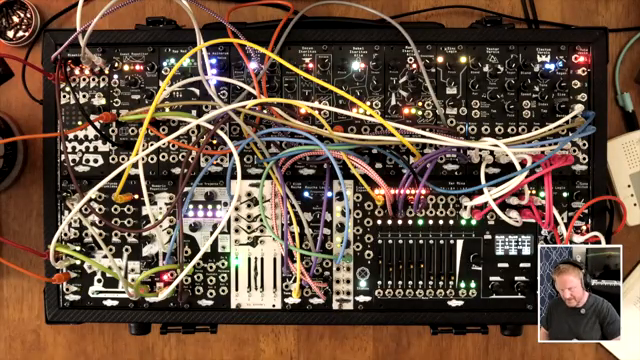
"I flipped it so the slider sits below the jacks, making it easier to perform."
© Screenshot/Quote: Noiseengineering (YouTube)
This article is also available in German. Read it here: https://synthmagazin.at/noise-engineerings-modular-patch-seziert-rhythmen-timbres-und-sequencing-entfesselt/
Watch on YouTube:
Latest articles
Watch on YouTube:
Visit the channel:
https://www.youtube.com/NoiseEngineering
https://www.youtube.com/NoiseEngineering
Links from NoiseEngineering:
website: https://noiseengineering.us
instagram: https://instagram.com/noiseeng
twitter: https://x.com/noiseeng
facebook: https://facebook.com/noiseeng
reason: https://bit.ly/noiseeng-reason
Sponsored links:
If you purchase via these links, we may earn a small commission – at no extra cost to you. The link opens an Amazon keyword search, and results may vary depending on availability.
Basimilus Iteritas Alia
🔗 Check price on Amazon
🔗 Check price on Amazon
Confundo Funkidos
🔗 Check price on Amazon
🔗 Check price on Amazon
Debel Iteritas Alia
🔗 Check price on Amazon
🔗 Check price on Amazon
Electus Versio
🔗 Check price on Amazon
🔗 Check price on Amazon
Gamut Repetitor
🔗 Check price on Amazon
🔗 Check price on Amazon
Horologic Solum
🔗 Check price on Amazon
🔗 Check price on Amazon
Incus Iteritas Alia
🔗 Check price on Amazon
🔗 Check price on Amazon
Kith Ruina
🔗 Check price on Amazon
🔗 Check price on Amazon
Lapsus Os
🔗 Check price on Amazon
🔗 Check price on Amazon
Librae Legio
🔗 Check price on Amazon
🔗 Check price on Amazon
Manis Iteritas Alia
🔗 Check price on Amazon
🔗 Check price on Amazon
Mimetic Digitalis
🔗 Check price on Amazon
🔗 Check price on Amazon
Muta Jovis
🔗 Check price on Amazon
🔗 Check price on Amazon
Numeric Repetitor
🔗 Check price on Amazon
🔗 Check price on Amazon
Op Ned
🔗 Check price on Amazon
🔗 Check price on Amazon
Pons Asinorum
🔗 Check price on Amazon
🔗 Check price on Amazon
Quantus Trajecta
🔗 Check price on Amazon
🔗 Check price on Amazon
Roucha Legio
🔗 Check price on Amazon
🔗 Check price on Amazon
Sinc Legio
🔗 Check price on Amazon
🔗 Check price on Amazon
Sono Abitus
🔗 Check price on Amazon
🔗 Check price on Amazon
Sync Defero
🔗 Check price on Amazon
🔗 Check price on Amazon
Xer Mixa
🔗 Check price on Amazon
🔗 Check price on Amazon
Yester Versio
🔗 Check price on Amazon
🔗 Check price on Amazon