NOGASAYAN wastes no time showing how to bolt an external synth onto the Akai MPC Live 3. Expect a tight walkthrough, zero fluff, and a Bass Station 2 squelching in the wild. If you think MIDI routing is a snooze, think again – Heiko makes it work for live techno builds, even if Akai’s latest OS trips over its own shoelaces. This is hardware integration for people who want to keep things moving and the groove relentless.
26. June 2026
SPARKY
NOGASAYAN: Turning the Akai MPC Live 3 into a Rave Command Centre
Plug, Play, Rave: External Synth Meets MPC
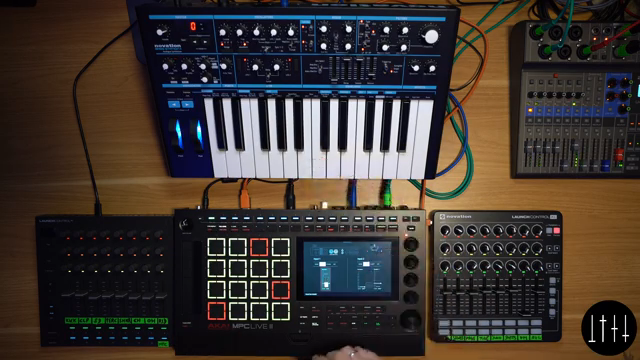
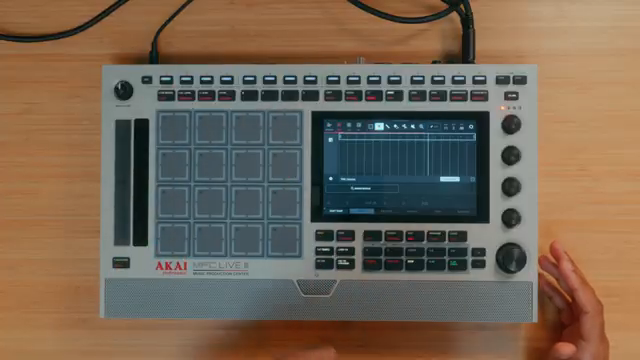
NOGASAYAN jumps straight in, slapping an external synth onto the MPC Live 3’s setup with no hesitation. The mission? Get the Bass Station 2 running from MIDI track 7 and keep it locked into the groove. No endless theory, no detours – just pure, practical integration for real-world live sets.
This isn’t about reinventing the wheel; it’s about making your gear talk fast. The approach is refreshingly direct: MIDI out from the MPC, audio back in, and you’re ready to make noise. If you’ve ever wasted time menu-diving before a gig, you’ll appreciate the clean, no-nonsense attitude here.
"That's pretty basic and straightforward I think."
© Screenshot/Quote: Nogasayan (YouTube)
Routing Rodeo: MIDI and Audio in Two Moves
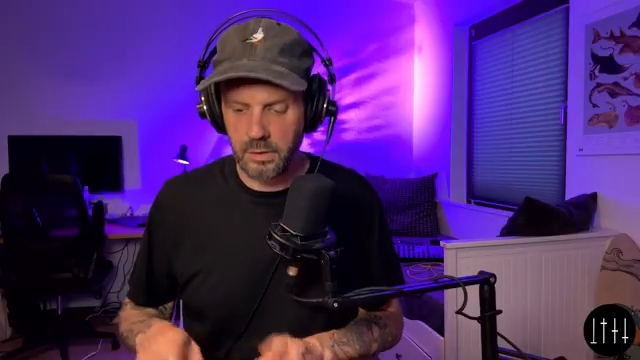
"I would always keep input gain at -6 dB. That's like studio basic."
© Screenshot/Quote: Nogasayan (YouTube)
Heiko lays out the critical steps with a clarity that even a sleep-deprived club sound tech could follow. MIDI leaves the MPC’s out B, hits the Bass Station 2’s in, and audio comes straight back to input 1 on the MPC. It’s as plug-and-play as this gear gets, but with just enough caveats to keep you from blowing up the PA.
He also gives the classic studio wisdom: keep that input gain at -6 dB. Sensible, since nobody wants to torch their mix with a rogue bass patch. There’s a quick spin through the MPC’s mixer and MIDI settings, highlighting the few spots where you could easily get tripped up. If you want every button press, you’ll need to hit the video and watch it in real time – but the gist is: check your routing, match your MIDI channels, and the jam is on.
Bass Station 2: The Live Synth Workhorse
NOGASAYAN’s pick of the Bass Station 2 is bang on for live action. It’s not just about fat sound – it’s the speed and playfulness you get with this monosynth that makes it a street weapon for techno and house. Setup is a breeze, and it’s clear why it’s a go-to for sessions where you can’t afford to faff about.
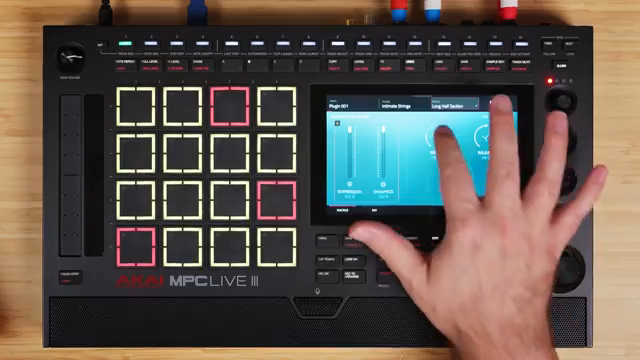
He shows how the MPC pads become a playground for the Bass Station, letting you sequence, trigger, and riff on the fly. The real magic, though, is best heard – and that’s your cue to watch the video and hear those squelches yourself.
Akai’s Program Change Blunder
Here’s where things get spicy: the latest MPC OS took away per-clip program changes for external synths. Previously, you could swap presets on the fly, clip by clip, but now you’re stuck with track-level changes only – a major buzzkill for improvisers and live tweakers. NOGASAYAN points out this is a basic feature that Akai somehow managed to break in a recent update.
He doesn’t rant, but the disappointment is obvious. If you’re hoping for smooth preset juggling mid-set, forget it until Akai sorts their firmware. For now, you’ll have to work around it and pray for a fix. Score one for old-school hardware reliability over software updates that break more than they fix.
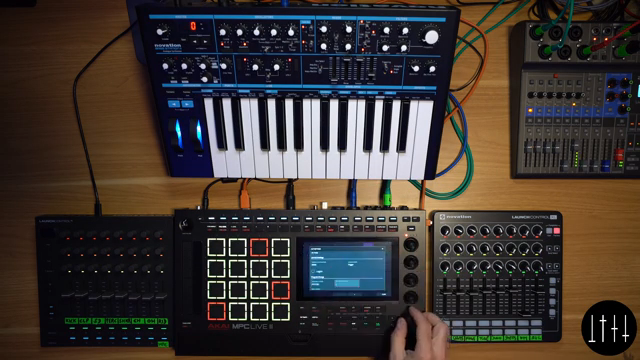
"But currently that doesn't work anymore unfortunately."
© Screenshot/Quote: Nogasayan (YouTube)
Unleash the Jams: MPC Features Plus Hardware
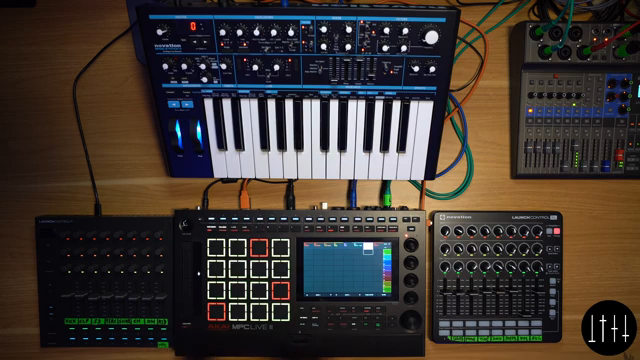
"We can use stuff like the arpeggiator, note repeat and the scale settings with it, which is pure fun and helps really with improvising."
© Screenshot/Quote: Nogasayan (YouTube)
With everything talking nicely, you’re free to get wild: arpeggiator, scale modes, note repeat, and all those MPC tricks now drive your external synth. It’s a setup built for improvisation and live energy, not static patterns. You can throw effects at the audio input, slam the pads, and still tweak the Bass Station like it’s your own pet monster.
Ultimately, this rig is all about immediacy – the kind of thing that makes you want to hit record and never look back. If you want to see how it all comes together and really hear the difference, don’t be lazy: hit play on NOGASAYAN’s video and see the performance for yourself.
This article is also available in German. Read it here: https://synthmagazin.at/nogasayan-mach-aus-der-akai-mpc-live-3-ein-rave-kommandozentrum/
More articles about these products:
 L.Dre Flips the Script: Remixing on the MPC Live 3—No DAW, No Problem?
 NOGASAYAN’s Double-Decked MPC Live 3 Hack: Two Launch Controls, One Rave Bunker
 Nebulous Realms: Tefty Music Tech Explores Akai x Spitfire’s Cinematic Instruments
 Woody Piano Shack’s Gear Bloodbath: Tier Rankings, Regrets, and $1,000 Down the Drain
 iPad, Apps & Grooveboxes: Audio Tutorial Experts Turn Your Studio into a Gameboy Factory
 MALO BEATS Flips the Script: MPC Live 3 Chops That Hit Harder Than Rush Hour on the Red Line
 The Midlife Synthesist Unleashes Double 0-Coast: Small Box, Massive Vibes
 MPC Showdown: Tefty Music Tech Breaks Down Live 3 vs. XL for the Beatmakers
 CHEAP SYNTH PHAT BATTLE: Woody Piano Shack Throws Down
 Bolo Da Producer’s MPC XL & Live 3 Showdown: Do You Really Need External Synths?
 AudioPilz Dishes the Dirt: What Your Synth REALLY Says About You
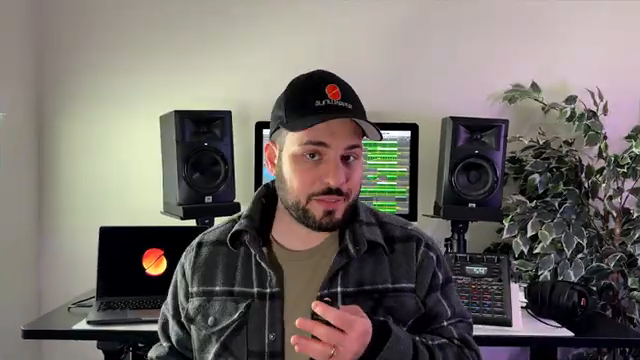 NAMM 2026’s Wildest Rigs: Sunwarper’s Top Gear Picks That’ll Make Your Studio Roar
Watch on YouTube:
Latest articles
Watch on YouTube:
Visit the channel:
https://www.youtube.com/NOGASAYAN
https://www.youtube.com/NOGASAYAN
Links from NOGASAYAN:
Instagram: https://instagram.com/nogasayan
Bandcamp: https://nogasayan.bandcamp.com
Support me on Gumroad: https://nogasayan.gumroad.com
Website: https://nogasayan.com
Sponsored links:
If you purchase via these links, we may earn a small commission – at no extra cost to you. The link opens an Amazon keyword search, and results may vary depending on availability.
Akai MPC Live 3
🔗 Check price on Amazon
🔗 Check price on Amazon
Novation Bass Station 2
🔗 Check price on Amazon
🔗 Check price on Amazon