FabFilter once again raises the bar for digital compression with the Pro-C 3—and musotalk takes us on an analytical journey through new patch geometries. Between a refreshed GUI, character modules, and sidechain fine mechanics, this tool is sure to excite not only workflow enthusiasts but especially sound architects and lovers of chaos aesthetics. If you want to know whether the Pro-C 3 is truly more than just an update, here’s a detached yet pointed look at machine ethics and sonic spaces. The real magic? As always, it remains audible only in the video itself.

16. January 2026
RAUMKLANG
musotalk and the FabFilter Pro-C 3: Compression as Sonic Origami
Evolution of the Compression Machine
With the Pro-C 3, FabFilter presents a successor after nearly a decade that doesn’t settle for cosmetic tweaks. As usual, musotalk guides us through the backstory and raises the central question: Can an established standard like the Pro-C 2 even be meaningfully improved? The answer is clear—and both audible and visible.
Expectations are high, as the Pro-C 2 is a daily tool for many producers. But FabFilter wouldn’t be FabFilter if they didn’t weave some radical innovations into the patch geometry with the Pro-C 3. Right from the intro, it’s clear: this isn’t about fine-tuning, but about a new architecture of sonic space.
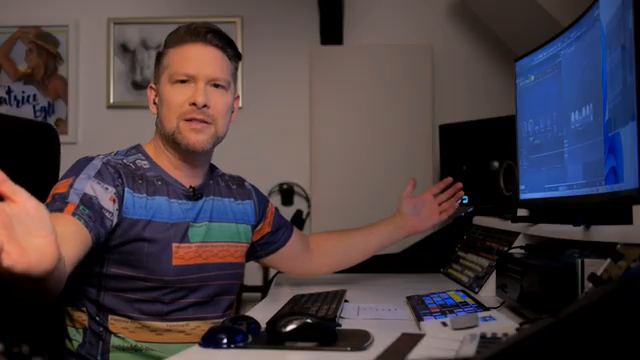
"We have the FabFilter Pro C3 brand new for you."
("Wir haben den FabFilter Pro C3 für euch brandneu.")© Screenshot/Quote: Musotalk (YouTube)
GUI Design: More Clarity, More Control
"We have a much nicer GUI here, in my opinion."
("Wir haben hier eine deutlich schönere GUI, wie ich finde.")© Screenshot/Quote: Musotalk (YouTube)
The Pro-C 3’s user interface has been not only visually refreshed but also functionally expanded. Larger knobs, a flexible, resizable window, and a clearer parameter layout provide a tidy control panel that keeps even complex compression scenarios manageable.
Musotalk highlights how the new GUI not only improves usability but also optimizes visual feedback. The integration of new sections like the character department and the improved display of sidechain parameters open up new avenues for sound shaping. Anyone who appreciates machine aesthetics will find a prime example of functional beauty here.
Showing Character: Distortion Before and After Compression
With the new character modules, FabFilter opens the door to expanded sound design: various distortion types can now be deliberately inserted before or after compression. The result? A sound that folds like origami from tension and noise—subtle or brutal, depending on taste.
The ability to choose between pre- and post-compression fundamentally changes the texture of the signal. Musotalk demonstrates how the placement of distortion alters the compressor’s entire behavior. For chaos aesthetes and sound architects, this is a real treat—but the subtle differences are best experienced in the video itself.
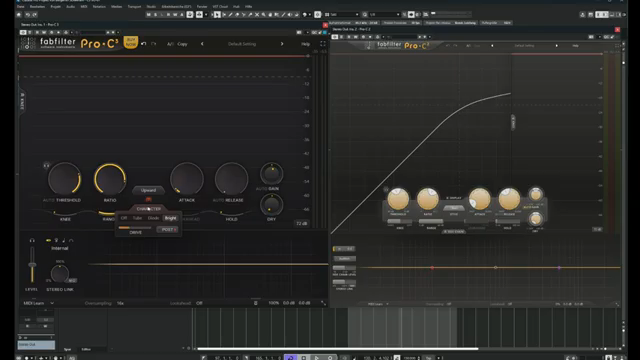
"Now we have a whole new section, called character."
("Da haben wir jetzt eine ganz neue Abteilung, das nennt sich character.")© Screenshot/Quote: Musotalk (YouTube)
Sidechain Fine Mechanics: Precision and Creativity
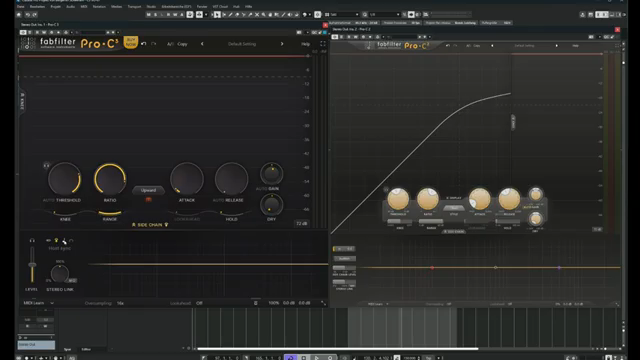
"Brand new here is the host sync function."
("Ganz neu ist hier die Hostsync-Funktion.")© Screenshot/Quote: Musotalk (YouTube)
The sidechain section has been massively expanded in the Pro-C 3. In addition to classic internal and external sidechains, there’s now a host sync function that allows sidechain pumping to be rhythmically synced to the DAW—including offset and variable length. This opens up new patch geometries for groove and dynamics.
Lookahead and latency control have also been refined. Musotalk shows how maximum lookahead times can be flexibly set to avoid latency issues in live contexts. The machine ethics of the Pro-C 3: precision meets creative freedom—and if you really want to know how far this can go, you shouldn’t miss the audio examples in the video.
Sound Examples: Compression You Can Feel
In the practical part, musotalk demonstrates the new compression styles and their effects on audio material. From vintage opto to modern multiband modes, it becomes clear: the Pro-C 3 is not a tool for workflow fetishists, but a dream for those with patience and a keen ear for the unpredictable.
The sonic differences brought by the new algorithms and character modules are not only audible but almost tangible in the video. If you want to experience the full depth of the new compression algorithms, you’ll have to try it yourself—or at least watch the video.
Translated from German. Read the original here: https://synthmagazin.at/musotalk-und-der-fabfilter-pro-c-3-kompression-als-klangorigami/
Watch on YouTube:
Latest articles
Watch on YouTube:
Visit the channel:
https://www.youtube.com/musotalk
https://www.youtube.com/musotalk
Sponsored links:
If you purchase via these links, we may earn a small commission – at no extra cost to you. The link opens an Amazon keyword search, and results may vary depending on availability.
FabFilter Pro-C 2
🔗 Check price on Amazon
🔗 Check price on Amazon
FabFilter Pro-C 3
🔗 Check price on Amazon
🔗 Check price on Amazon