Ever wondered how the pros get their techno tracks to rumble like a subway train at midnight? MusicRadar Tech is back with a mixtape of eight killer studio sessions, each one packed with streetwise tricks for building kicks, layering drums, and keeping your grooves rolling all night. This isn’t some dry, white-coat tutorial—these are real producers, real hacks, and real gear, all stitched together by the MusicRadar Tech crew’s no-nonsense, hands-on style. If you’re after fat kicks, hypnotic melodies, and mastering moves that’ll make your tracks punch through busted car speakers, you’re in the right spot. Grab a cheap beer and dig in—just don’t expect to get all the sauce without watching the video yourself.
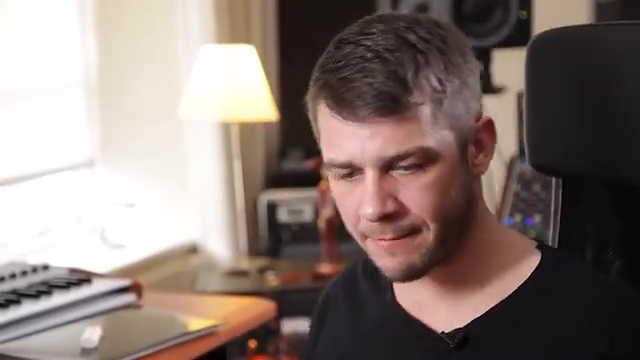
19. February 2026
RILEY
MusicRadar Tech’s Techno Toolbox: 8 Studio Tricks That Slap Harder Than a 909
Ableton Live, Bitwig Studio, Fatso Senior, Flux Stereo Tool, Overstayer Channel Strip, Soundtoys Decapitator, TR-808, TR-909, UAD Cambridge EQ, UAD Pultec EQ, Valhalla Frequency Echo, Vermona MIDI Interface, Xfer LFO Tool
Kick & Rumble: The Subway Engine Room
Let’s be real—if your kick and sub-bass don’t hit like a brick through drywall, your techno track’s going nowhere. MusicRadar Tech kicks things off with a deep dive into crafting that signature low-end rumble. The process? Start with a solid kick—maybe a 909 if you’re feeling classic—then bounce it, slap on some saturation and compression, and run it through a send/return for a sub-bass layer that hums under your beat like a subway under your feet. The trick isn’t about perfect pitch; it’s about power and vibe.
From there, it’s all about creative FX chains: convolution reverbs for character, filter delays for movement, and a trusty sidechain (Xfer LFO Tool, anyone?) to keep things pumping. Don’t sleep on those vintage EQ emulations either—UAD Pultec vibes bring out the bottom end in ways that’ll make your monitors sweat. The end result? A bassline that’s less about melody and more about pure, physical force. If you want to see exactly how the sausage gets made (and hear that rumble in action), you gotta check the video for the full flavor.
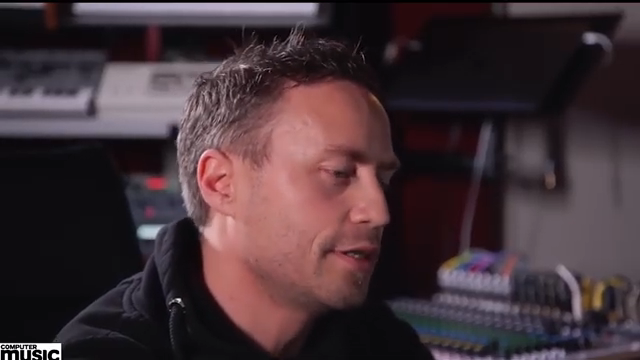
"This rumble is very nice because it's not really a character sound, it's not a bass sound that needs to be on a specific tone or whatever but it will give you the power of the kick underneath."
© Screenshot/Quote: Musicradartech (YouTube)
Layered Drums: Stacking for Street Cred
"Through this layering that's how we're getting these sort of slaps to the claps and the snares."
© Screenshot/Quote: Musicradartech (YouTube)
Next up, it’s drum layering time—because one snare just ain’t enough. The MusicRadar Tech squad shows how stacking 909s, 808s, reggae kits, and more can build a rhythm section that’s thick enough to cut through any club system. It’s not just about piling on sounds; it’s about EQ, compression, and timing those layers down to the millisecond for maximum slap. Think of it like building a sandwich with every crunchy, spicy, and juicy ingredient you can find.
The real sauce? Layering isn’t just for kicks and snares—hats, claps, shakers, and even tambourines get the treatment. The secret is in the subtle tweaks: tuning, timing, and a little bit of analog desk magic. The result is percussion that feels alive, not just programmed. If you want your drums to hit like a street parade, this section’s got the blueprint. But trust me, the real groove lives in the video’s sound demos.
Melodic Chaos: Randomness with a Groove
Techno melodies aren’t about catchy hooks—they’re about hypnotic patterns that keep your head nodding. MusicRadar Tech brings in the randomness, using hardware and software tricks to generate melodies that evolve and surprise. Randomized basslines, LFO-driven filter tweaks, and step sequencers inject a human feel into otherwise robotic loops. It’s like letting your gear jam with you, not just for you.
The key is subtlety: small changes in velocity, filter movement, and note selection keep things from getting stale. Humanizing drum loops with LFOs and random step sequencing means your track never feels static. If you want to see how organized chaos turns into dancefloor hypnosis, you’ll need to peep the video—there’s a lot more going on than words can capture.
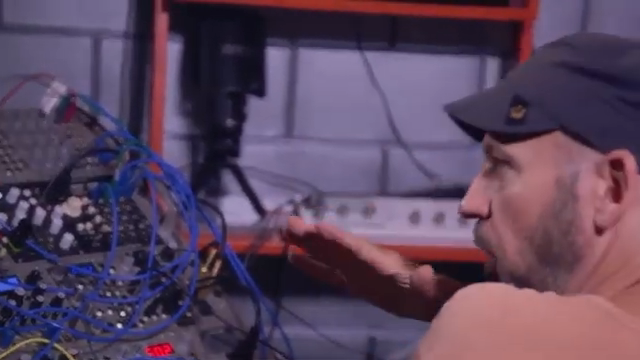
"There is on the frequency of the filter there is a little LFO flowing so there is already some kind of human aspect to it programmed by a computer."
© Screenshot/Quote: Musicradartech (YouTube)
Arranging Tension: Simple Tricks, Big Drops
Arranging a techno track is like building a rollercoaster—you want to keep folks guessing, then hit them with a drop that makes ‘em lose their minds. MusicRadar Tech lays out the basics: start simple, build tension with subtle changes, and don’t be afraid to strip things back for maximum impact. Sometimes, less is more—fifteen elements (including three kicks!) can be all you need if you know how to work ‘em.
Outboard gear like Pultec EQs and Overstayer channel strips add warmth and grit, but it’s the arrangement moves—like pulling the kick for a euphoric break or layering in reverb and filter sweeps—that really make the crowd go wild. The real magic? Knowing when to keep it raw and when to let the gear do the heavy lifting. There’s a lot of gear porn in this section, but the true lesson is about restraint and timing. For the full ride, you’ll want to watch how the pros do it live.
Mastering Moves: Loud, Clear, and No Black Magic
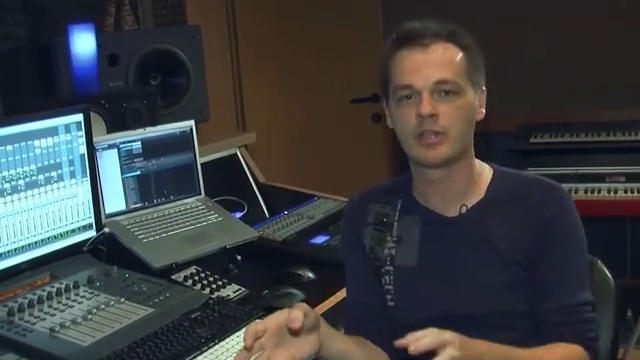
"There is no magic black box where you go with two inputs and one output or a magic plugin where you can create your sound on each channel."
© Screenshot/Quote: Musicradartech (YouTube)
Finally, it’s time to make your track sound huge—without turning it into a muddy mess. MusicRadar Tech flips the script by mastering early in the process, using tools like the UAD Cambridge EQ, Flux Stereo Tool, and Fatso Senior to shape the mix. The big secret? Cutting 200 Hz with a Pultec EQ to clear out space and keep things punchy. It’s a trick borrowed from rock legends, but it works wonders for techno’s crowded low end.
Don’t fall for the myth of the magic plugin—mastering is about small moves on every channel, not one-size-fits-all fixes. The crew stresses clarity and balance, using enhancers and maximizers only after the mix is already tight. Want to hear how these tricks translate to real-world loudness? The video’s got the before-and-after you need to trust the process.
This article is also available in German. Read it here: https://synthmagazin.at/musicradar-techs-techno-werkzeugkiste-8-studio-tricks-die-haerter-knallen-als-eine-909/
Watch on YouTube:
Latest articles
Watch on YouTube:
Visit the channel:
https://www.youtube.com/MusicRadarTech
https://www.youtube.com/MusicRadarTech
Links from MusicRadarTech:
website: https://www.musicradar.com
instagram: https://www.instagram.com/musicradartech
Sponsored links:
If you purchase via these links, we may earn a small commission – at no extra cost to you. The link opens an Amazon keyword search, and results may vary depending on availability.
Ableton Live
🔗 Check price on Amazon
🔗 Check price on Amazon
Bitwig Studio
🔗 Check price on Amazon
🔗 Check price on Amazon
Fatso Senior
🔗 Check price on Amazon
🔗 Check price on Amazon
Flux Stereo Tool
🔗 Check price on Amazon
🔗 Check price on Amazon
Overstayer Channel Strip
🔗 Check price on Amazon
🔗 Check price on Amazon
Soundtoys Decapitator
🔗 Check price on Amazon
🔗 Check price on Amazon
TR-808
🔗 Check price on Amazon
🔗 Check price on Amazon
TR-909
🔗 Check price on Amazon
🔗 Check price on Amazon
UAD Cambridge EQ
🔗 Check price on Amazon
🔗 Check price on Amazon
UAD Pultec EQ
🔗 Check price on Amazon
🔗 Check price on Amazon
Valhalla Frequency Echo
🔗 Check price on Amazon
🔗 Check price on Amazon
Vermona MIDI Interface
🔗 Check price on Amazon
🔗 Check price on Amazon
Xfer LFO Tool
🔗 Check price on Amazon
🔗 Check price on Amazon