At NAMM 2025, Moog Music assembled a formidable panel of synthesizer luminaries—Michelle Moog-Koussa, Lisa Bella Donna, Suzanne Ciani, Brian Kehew, Steve Dunnington, King Britt, and Rory Kaplan—to dissect Bob Moog’s enduring legacy and the instruments that continue to shape musical frontiers. The discussion traversed the transformative power of Moog synthesizers, their unique role in bridging technology and artistry, and the pivotal moments that have inspired generations of musicians. With a blend of reverence and technical insight, the panel explored how Moog’s evolution from modular behemoths to modern classics maintains a rich, expressive sound while becoming ever more accessible. The session closed with a call to creative responsibility, highlighting Moog’s ongoing relevance in today’s musical landscape and the collective inspiration that continues to ripple outward from these iconic circuits.

1. March 2025
MILES
Moog Music at NAMM 2025: Legacy, Innovation, and Sonic World-Building
Animoog, DFAM, Matriarch, Moog 15, Moog Grandmother, Moog Model D, Moog One, Moog Voyager, Mother 32, Sonic Six, Subharmonicon
A Gathering of Moog Minds: NAMM 2025’s Artistry & Innovation Panel
The Moog Artistry and Innovation Panel at NAMM 2025 brought together a veritable who’s who of the synth world, with Michelle Moog-Koussa at the helm. Representing both the Bob Moog Foundation and a deep familial connection to the Moog legacy, Michelle set the stage for a discussion that would traverse decades of electronic music history and innovation. The panel included musicians, engineers, and technologists whose careers have been fundamentally shaped by Moog’s inventions.
From the outset, the conversation focused on Bob Moog’s profound impact—not just as an inventor, but as a collaborator and listener. Panelists drew parallels between Moog and other industry-defining figures, noting how his warmth and curiosity were inseparable from the instruments he created. The discussion quickly established that Moog’s influence extends far beyond circuitry, touching the very fabric of modern music and sound design.
"When you think Moog, you think sonic worlds. That's how I was introduced to Bob Moog's genius, right? So it's all world building."
© Screenshot/Quote: Moogsynthesizers (YouTube)
Moog Synthesizers: Bridging Technology and Musical Expression
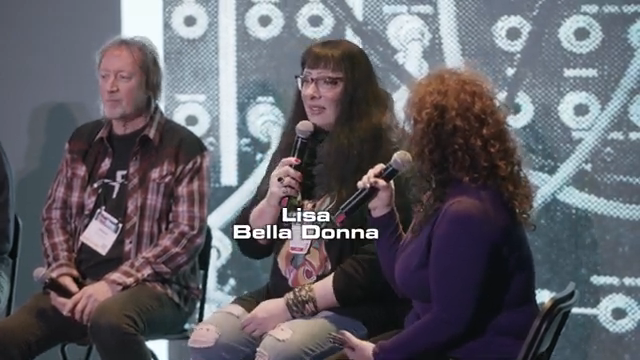
"A complete game changer for not only just keyboard-oriented musicians, sound designers, creative studio engineers, producers, film scorists, people that do installation, psychoacoustic work."
© Screenshot/Quote: Moogsynthesizers (YouTube)
Panelists highlighted how Moog synthesizers have transformed the landscape for musicians, sound designers, and engineers alike. Lisa Bella Donna described her first encounter with Moog’s sound as a revelation—an instrument capable of encapsulating entire galaxies of sonic possibility. The panelists agreed that Moog’s blend of technology and musicology created tools that are as inspiring as they are functional.
The conversation underscored Moog’s unique position in fostering collaboration between instrument designers and artists. Bob Moog’s willingness to listen to musicians and adapt his designs accordingly was cited as a key reason for the instruments’ enduring relevance. This approach has allowed Moog synthesizers to serve as bridges between technical innovation and genuine musical expression, making them foundational in studios, on stages, and in the hands of creative minds across genres.
Lightbulb Moments: Moog’s Role in Musical Inspiration
The panelists shared pivotal moments when Moog instruments sparked their creativity and altered their musical trajectories. Many recounted formative experiences—hearing Wendy Carlos’ “Switched-On Bach,” witnessing Sun Ra’s cosmic performances, or encountering a dusty Minimoog in a studio—that fundamentally changed their understanding of what electronic instruments could achieve. These stories illustrated how Moog synthesizers have become catalysts for artistic transformation.
Beyond nostalgia, the discussion delved into how Moog’s tactile interface and unmistakable sound character continue to inspire new generations. Whether through the velvet richness of a Model D or the modular flexibility of a Moog 15, these instruments invite exploration and reward curiosity. The panelists emphasized that Moog’s sonic palette is not just a technical achievement, but a source of ongoing inspiration for musicians seeking to carve out their own sonic worlds.
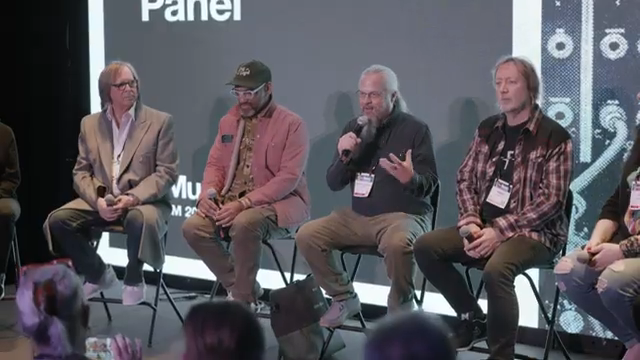
"It's the sound of it, the power of it, the fact that music just sort of flows out of you. It flows through this instrument."
© Screenshot/Quote: Moogsynthesizers (YouTube)
From Modular Giants to Modern Classics: The Evolution of Moog
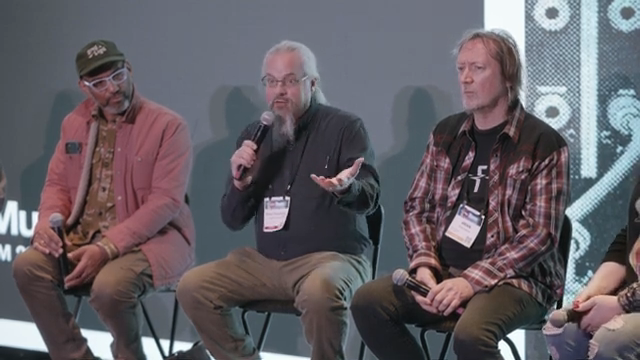
"The circuits that are in them are, they share the DNA of these original circuits from 1964."
© Screenshot/Quote: Moogsynthesizers (YouTube)
Reflecting on Moog’s journey from the early days of modular systems to today’s accessible instruments, the panelists noted the delicate balance between innovation and tradition. Steve Dunnington outlined how Moog’s circuits still carry the DNA of their 1960s ancestors, even as modern designs incorporate digital control and surface-mount components. The result is a lineage that remains true to its roots while embracing new possibilities.
Brian Kehew and others discussed how Moog’s evolution has made synthesis more accessible, moving from intimidating modular setups to instruments that invite musicians of all backgrounds. Yet, despite this increased accessibility, Moog has never sacrificed its hallmark expressivity and depth. The conversation highlighted how today’s Moog instruments—whether vintage or contemporary—continue to offer a rich, expressive sound that stands out in any musical context.
Responsibility, Relevance, and the Ripple Effect of Moog Artistry
As the discussion drew to a close, the panelists turned to the collective responsibility of musicians to communicate their artistry and inspire others. Lisa Bella Donna spoke to the importance of reading the room and using Moog instruments to move audiences, both physically and emotionally. The panel agreed that expressivity and intentionality are at the heart of Moog’s ongoing relevance.
The closing remarks emphasized how the inspiration drawn from Moog synthesizers ripples outward, influencing not just individual musicians but entire communities. Michelle Moog-Koussa reflected on her role in carrying forward Bob Moog’s legacy, noting that the panel’s diverse experiences and creative output continue to inspire thousands. The enduring appeal of Moog, it seems, lies in its ability to foster both personal expression and a sense of shared musical adventure.
Watch on YouTube:
Latest articles
Watch on YouTube:
https://www.youtube.com/MoogSynthesizers
Links from MoogSynthesizers:
Sponsored links:
If you purchase via these links, we may earn a small commission – at no extra cost to you. The link opens an Amazon keyword search, and results may vary depending on availability.
🔗 Check price on Amazon
🔗 Check price on Amazon
🔗 Check price on Amazon
🔗 Check price on Amazon
🔗 Check price on Amazon
🔗 Check price on Amazon
🔗 Check price on Amazon
🔗 Check price on Amazon
🔗 Check price on Amazon
🔗 Check price on Amazon
🔗 Check price on Amazon