ROMES, the genre-bending duo, team up with Moog Music to unveil a performance workflow that blurs the lines between live drumming and analog synthesis. In this official Moog video, the brothers break down their innovative setup: acoustic drums triggering the Moog Sub 37 via MIDI, all orchestrated through a hybrid rig that includes Ableton and clever MIDI routing. The result is a dynamic, improvisational environment where rhythm and synth lines become inseparable. For those curious about integrating hardware synths with live instruments, this is a masterclass in creative, real-time control and digital–analog synergy.
Hybrid Energy: Drums and Synths Collide
The video opens with ROMES introducing their hybrid performance setup, which places the Moog Sub 37 at the heart of a dynamic interplay between electronic and acoustic elements. Rather than treating the drum kit and synthesizer as separate entities, the duo demonstrates how these instruments can be fused into a single, expressive system. Their approach is less about layering sounds in post-production and more about generating musical ideas in real time, leveraging the tactile immediacy of both drums and synths.
This setup was recently showcased at the Moog and Alesis booth at NAMM, highlighting its appeal to both synth enthusiasts and live performers. By assigning each drum to trigger a different note on the Sub 37, ROMES unlocks a performance environment where rhythm and melody are tightly interwoven. The result is a workflow that encourages experimentation, spontaneity, and a distinctly analog energy on stage.

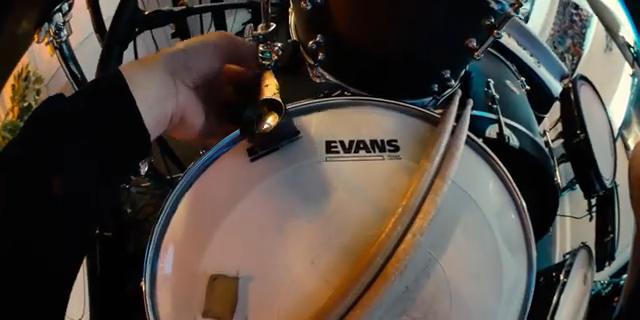
"Each drum on the acoustic kit triggers a different note on the subsequent 37."
© Screenshot/Quote: Moogsynthesizers (YouTube)
Triggering the Analog Beast: Drum-to-Synth Integration
"We put these triggers on the drum kit and ran them into an Elisa's module to convert the signals to MIDI, and then sent the MIDI out to the sub 37."
© Screenshot/Quote: Moogsynthesizers (YouTube)
A key technical highlight is the use of drum triggers to activate notes on the Sub 37. ROMES attaches triggers to their acoustic drum kit, routing those signals into an Alesis module that converts them into MIDI. This MIDI data is then sent to the Sub 37, effectively turning each drum hit into a note or event on the synth. The process is seamless in performance, allowing for a direct translation of percussive gestures into melodic or harmonic content.
What stands out is the flexibility this offers: each drum can be mapped to any note or sound on the Sub 37, opening up a wide palette of sonic possibilities. The video demonstrates how this integration enables the band to move beyond traditional roles, with the drummer actively shaping the synth’s output in real time. The result is a performance rig that feels both organic and futuristic, with the analog synth responding instantly to the nuances of live drumming.
Real-Time Sound Shaping: Spontaneity in Workflow
ROMES places a strong emphasis on manipulating synth parameters live, adding a layer of expressiveness to their performances. For instance, shortening the release time on the Sub 37 during drum fills produces a sharp, almost sci-fi effect, described as a “laser gun vibe” in the video. This hands-on approach to sound design means that every performance can yield new textures and ideas, driven by the interaction between the two musicians.
The workflow is inherently improvisational. By jamming with Ableton recording in the background, the duo captures spontaneous moments that can later serve as seeds for new tracks. This method encourages risk-taking and rewards experimentation, as the interplay between drums and synth often leads to unexpected, exciting results. The setup is not just about technical integration—it’s about fostering creativity in the heat of the moment.

"Having manual control over the synth's parameters adds another dimension to the whole process."
© Screenshot/Quote: Moogsynthesizers (YouTube)
MIDI Alchemy: Ableton Drum Racks and Performance Control
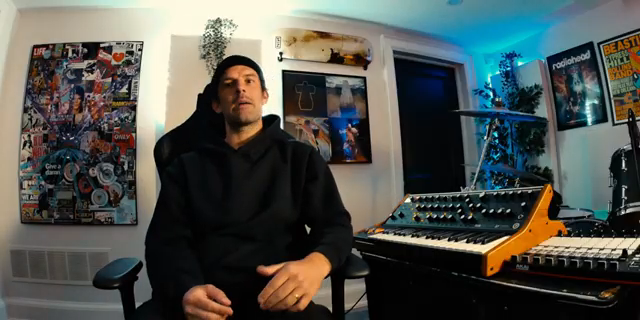
"You're almost getting this fluid sequencer, which is changing based on what drums are being hit, what beats are being played, the rhythm."
© Screenshot/Quote: Moogsynthesizers (YouTube)
To enable their flexible note mapping, ROMES uses Ableton’s drum racks to convert incoming MIDI from the drum triggers into specific notes for the Sub 37. They build multiple instances of these drum racks, each with different note assignments, and employ Ableton’s chain selector to switch between them on the fly. This allows for rapid changes in harmonic progression or synth voicing during a set, adding a compositional dimension to their live rig.
An Akai MIDI controller is mapped to the chain selector, giving the performers tactile control over which drum rack (and thus which note mapping) is active at any moment. This setup transforms the drum kit into a kind of fluid, rhythm-driven sequencer, where every beat can reshape the synth’s output. The result is a tightly integrated, ever-evolving performance system that blurs the boundaries between electronic and acoustic, pre-programmed and improvised.
This article is also available in German. Read it here: https://synthmagazin.at/moog-music-und-romes-hybride-drums-treffen-auf-sub-37-synthese/
Watch on YouTube:
Latest articles
Watch on YouTube:
Visit the channel:
https://www.youtube.com/MoogSynthesizers
https://www.youtube.com/MoogSynthesizers
Links from MoogSynthesizers:
website: https://moogmusic.com
instagram: https://instagram.com/moogsynthesizers
facebook: https://www.facebook.com/moogmusicinc
twitter: https://twitter.com/moogmusicinc
Sponsored links:
If you purchase via these links, we may earn a small commission – at no extra cost to you. The link opens an Amazon keyword search, and results may vary depending on availability.
Moog Sub 37
🔗 Check price on Amazon
🔗 Check price on Amazon