Molten Music Technology dives headfirst into the Donner Essential L1, a synth that channels the SH-101’s spirit but refuses to play it safe. Robin Vincent’s signature hands-on style is all over this one: no presets, no mercy, just raw patching and a dozen sounds that’ll make your speakers sweat. If you’re tired of menu-diving and want a synth that rewards dirty fingers and sharp ears, this video is your new bible. Plus, there’s a cheeky effects pedal in the mix and downloadable patch sheets for the brave. Get ready for a synth session that’s as much about attitude as it is about oscillators.
15. November 2025
SPARKY
Molten Music Technology Unleashes the Donner L1: Patch Sheets, Rave Leads, and a Splash of Reverb
SH-101 DNA, Donner Attitude
The Donner Essential L1 isn’t shy about its roots—it’s a blatant nod to the Roland SH-101, right down to the slider layout and that unmistakable monophonic snarl. But don’t get it twisted: this isn’t just a clone. The L1 throws in its own flavour, especially with a second envelope that lets you shape the filter and VCA independently. That’s a move the 101 never pulled, and it gives the L1 a sound that can punch through a mix or get weird in all the right ways.
Robin from Molten Music Technology doesn’t waste time on nostalgia—he’s here to show what the L1 can actually do. The synth’s lead tones are front and centre, cutting through like a rusty hacksaw. But it’s not just about classic sounds; the L1’s quirks and extra envelope mean you can push it into new territory, making it a street weapon for anyone who likes their synths with a bit of bite.
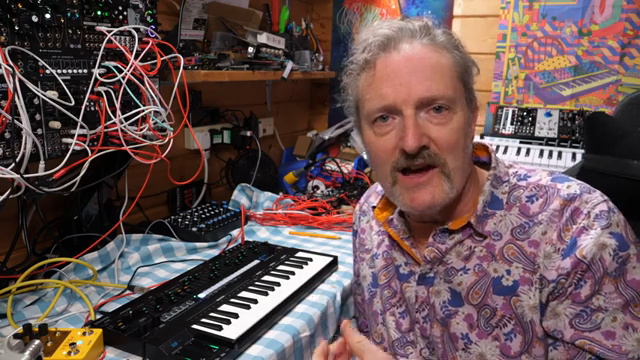
"It has this brilliant sound, a very leady sound, the sort of sound that can penetrate through a mix, that can make a track."
© Screenshot/Quote: Moltenmusictech (YouTube)
Patch Sheets: Old-School Survival
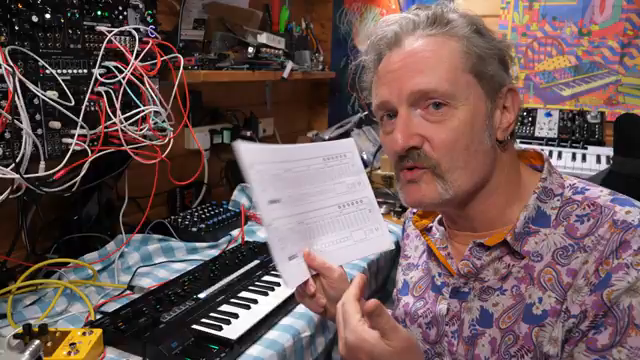
"This is how we used to do it back in the day before you had computerized synthesizers that recorded and remembered everything that you did."
© Screenshot/Quote: Moltenmusictech (YouTube)
Here’s the catch: the L1 has zero patch memory. No presets, no scrolling, just you, your ears, and a patch sheet. If you want to keep a sound, you’re grabbing a pen and scribbling down slider positions like it’s 1982. Robin’s not fazed—he’s made his own downloadable patch sheets and shows exactly how to use them. It’s a manual process, but it forces you to actually learn the synth instead of getting lost in a sea of presets.
This approach isn’t for the faint-hearted, but it’s pure synth discipline. You’ll mess up, you’ll forget to write down the glide, and you’ll curse when you lose that killer bass. But when you nail it, you’ll know exactly how you got there. It’s a throwback workflow that’ll make you respect your patches—and maybe your handwriting.
A Dozen Patches: From Thunder Squidge to TARDIS
Now for the main event: a dozen patches that show off just how much dirt, weirdness, and groove you can squeeze out of the L1. Robin starts with the basics—classic SH-101 saw leads and fat basses—but quickly veers into more experimental territory. There’s pulse width wobble, filter self-oscillation, and even a patch that spits out two tones at once, making this mono synth sound like it’s got a split personality.
Each patch is a mini adventure. You get fat wobbles, cinematic pads, gooey solos, and even a radioactive noise modulator that sounds like your synth’s been left in Chernobyl. Robin’s patch names are as cheeky as the sounds—Thunder Squidge, anyone?—and he’s not afraid to push the L1 to its limits, even if it means a bit of overload or sonic chaos.
The real kicker? Watching Robin tweak, ride the filter, and mess with the LFO in real time is half the fun. You’ll want to see the video for the full sonic mayhem—no article can do justice to the squelch and sizzle coming out of this box.
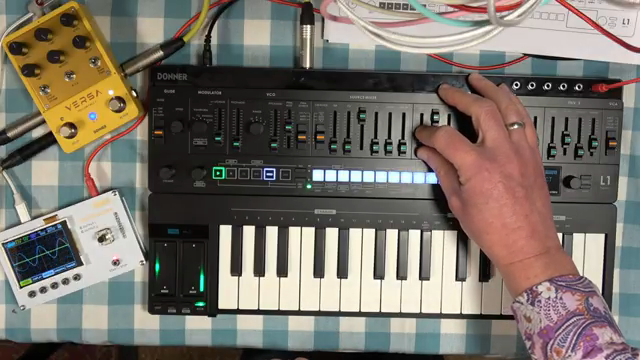
"So what we've got going on here is that the filter is actually self oscillating. So I'm getting a sine wave out of the filter because the resonance is all the way up and I'm using that alongside the sawtooth and everything I'm adjusting has an impact on that."
© Screenshot/Quote: Moltenmusictech (YouTube)
Yellow Fall II: Cheap Pedal, Big Splash
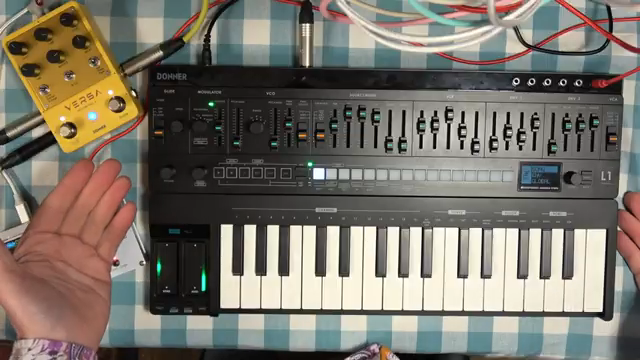
"Now the L1 doesn't come with any effects at all and so having some kind of effect to run through is extremely useful for a synthesizer like this."
© Screenshot/Quote: Moltenmusictech (YouTube)
Let’s be honest: the L1 is dry as a bone out of the box. Enter the Donner Versa Yellow Fall II pedal, slathering everything in reverb and delay. Robin keeps a touch of reverb on almost every patch, with delay dialled in when things need extra space. It’s a budget pedal, but it does the job—suddenly, those raw leads and basses have room to breathe, and the more experimental patches get a cinematic edge.
It’s a reminder that even the best synths need a little help sometimes. The Yellow Fall II isn’t fancy, but it’s the perfect partner for the L1’s rawness. If you’re running a barebones setup, this pedal might be your new best mate.
Download, Patch, Repeat: Get Stuck In
Robin’s not just showing off—he’s giving you the tools. All the patches from the video are downloadable, along with blank sheets for your own sonic experiments. It’s an open invite to get your hands dirty, break things, and maybe invent the next Thunder Squidge. If you’re the type who learns by doing, this video is a goldmine. Go watch, download, and start your own toaster-fight with the L1.
This article is also available in German. Read it here: https://synthmagazin.at/molten-music-technology-entfesselt-den-donner-l1-patch-sheets-rave-leads-und-eine-prise-reverb/
Watch on YouTube:
Latest articles
Watch on YouTube:
Visit the channel:
https://www.youtube.com/MoltenMusicTech
https://www.youtube.com/MoltenMusicTech
Links from MoltenMusicTech:
website: https://moltenmusictechnology.com
twitter: https://x.com/MoltenMusicTech
Sponsored links:
If you purchase via these links, we may earn a small commission – at no extra cost to you. The link opens an Amazon keyword search, and results may vary depending on availability.
Donner Essential L1
🔗 Check price on Amazon
🔗 Check price on Amazon
Donner Versa Yellow Fall II
🔗 Check price on Amazon
🔗 Check price on Amazon