Modal Electronics’ ELEMENT One steps into the spotlight as a pad sculptor’s companion, offering a workflow that invites both newcomers and seasoned synth nerds to create warm, cinematic textures. This official walkthrough demonstrates not just the instrument’s intuitive front-panel controls, but also how layering algorithms, filter morphing, and real-time performance assignments can lead to complex, evolving pads. The video leans into hands-on editing, revealing where the instrument’s digital architecture supports deep, tactile sound design. With a blend of classic and modern, the ELEMENT One aims to make lush, expressive pads accessible and tweakable without menu-diving headaches.
13. August 2026
LYRA
Modal Electronics ELEMENT One: Architectural Pad Sound Design in Focus
ELEMENT One: Pad Design Made Intuitive
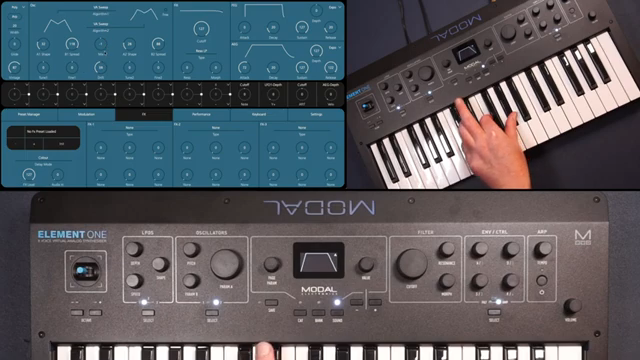
The ELEMENT One is introduced as a straightforward but powerful tool for creating morphing, modulating pad sounds. The workflow begins from scratch, highlighting the instrument’s polyphonic capabilities—a must for any serious pad work. With just a few front-panel tweaks, the video demonstrates how users can quickly move from a blank slate to a lush, playable sound.
The initial oscillator choice defaults to a soft, sine-like VA sweep, immediately setting a warm foundation. By focusing on accessible controls and immediate sonic feedback, the ELEMENT One positions itself as a beginner-friendly yet deep pad machine.
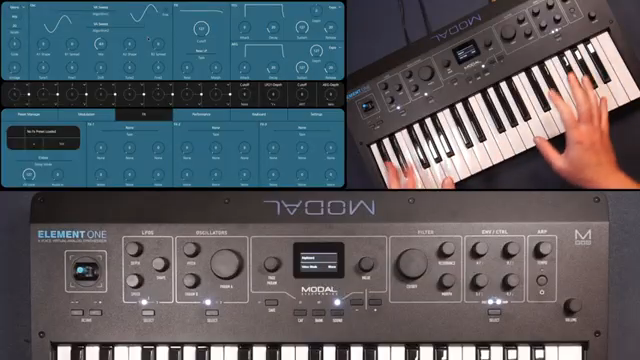
"First thing we're going to want to do is make this poly so I can play more than one note at a time."
© Screenshot/Quote: Modalelectronics (YouTube)
Oscillator Layering and Dynamic Sound Shaping
"You can hear what that introduces like analog movement there's like some chorus in going on now of course."
© Screenshot/Quote: Modalelectronics (YouTube)
Layering oscillator algorithms is the first architectural choice emphasized. The approach is to blend two VA sweep algorithms—essentially sine waves—with subtle differences in character or pitch. This not only fattens the sound but allows for nuanced movement, especially when the mixer is used to dial in the right balance. The video explores how octave shifts and detuning, combined with width control, create a stereo-rich, immersive pad texture. Subtle drift and vintage parameters add a touch of analog unpredictability, mimicking classic chorus and modulation effects even before the dedicated FX are introduced.
Envelope shaping is equally crucial. Slow attack and elongated release phases are dialed in with tactile controls, shaping the pad’s cinematic fade-in and trailing tails. The filter section is then brought into play, with a low-pass setting that gently sculpts the harmonic content. The morph feature is showcased as a live performance tool, allowing real-time sweeps that transition smoothly between timbral states. Using the front-panel performance assignment, the morph parameter can be mapped to a control for expressive, on-the-fly adjustments.
Chorus and Delay: Depth on Demand
Once the pad’s core architecture is established, effects are layered in to elevate the sound further. Chorus is added first, thickening the texture and enhancing stereo width. The ping-pong delay introduces rhythmic spatial movement, bouncing elements of the pad across the stereo field without muddying the original signal. The workflow makes it easy to tweak these effects to taste, and while reverb is an obvious candidate, the presenter decides the existing chorus and delay already deliver sufficient depth and dimension. The result is a pad that feels both expansive and controlled, ready for a cinematic mix.
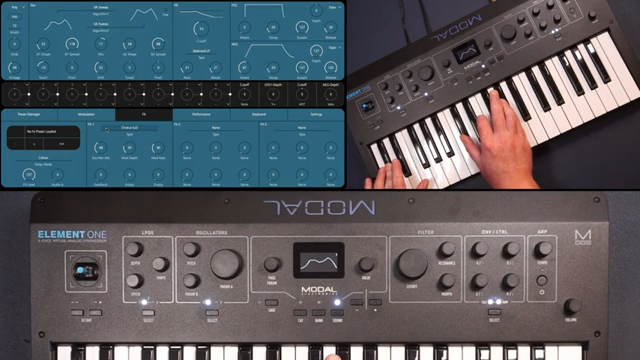
"Let's go with that and also I think if we go over here to ping-pong delay or something like that that might be quite nice."
© Screenshot/Quote: Modalelectronics (YouTube)
Performance Tools: Aftertouch and LFOs for Expressive Movement
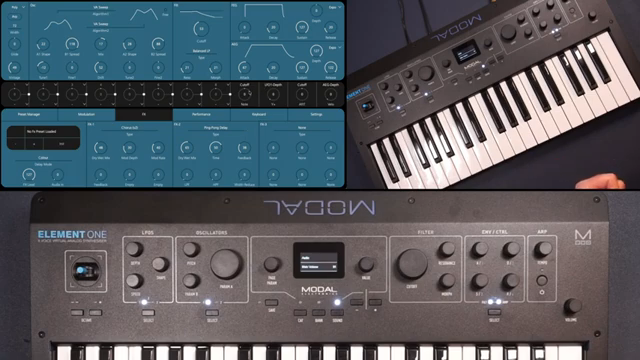
"I can instantly assign the aftertouch to the cutoff of the filter it's already here it's already set up ready to go."
© Screenshot/Quote: Modalelectronics (YouTube)
The tutorial spotlights how performance controls transform static pads into evolving soundscapes. Aftertouch can be instantly assigned to the filter cutoff, enabling dynamic sweeps as you dig into the keys—a tactile feature that brings real-time expression to the front of the workflow. The setup is immediate, with no need for deep menu navigation or complex routing.
LFO modulation is introduced as a means to animate envelope depth, adding slow, evolving changes to the pad’s volume contour. By assigning an LFO to this parameter, the pad breathes and morphs subtly over time, even with a single sustained chord. The combination of aftertouch, LFOs, and morphable filters gives the ELEMENT One a performance-friendly edge, making it easy to inject movement and character into every patch.
Latest articles
Watch on YouTube:
Visit the channel:
https://www.youtube.com/ModalElectronics
https://www.youtube.com/ModalElectronics
Links from ModalElectronics:
website: https://modalelectronics.com
twitter: https://twitter.com/ModalElectronic
instagram: https://instagram.com/modalelectronics
Sponsored links:
If you purchase via these links, we may earn a small commission – at no extra cost to you. The link opens an Amazon keyword search, and results may vary depending on availability.
Modal Electronics ELEMENT One
🔗 Check price on Amazon
🔗 Check price on Amazon