PoliMATHS, the latest modular offering from MAKEN0ISE, brings a fresh twist to cycling function generators with its two distinctive cycle modes. In classic Make Noise fashion, the official video walks us through both the simultaneous and chained cycling behaviours, showing how these modes can unlock new rhythmic and sequencing possibilities. Whether you’re after intricate polyrhythms or evolving cascades of modulation, PoliMATHS aims to be more than just another Maths clone—it’s a playground for patchers who crave interaction and control. Let’s dissect what these cycle modes actually do, how they’re accessed, and what creative doors they might open in a real-world rack.
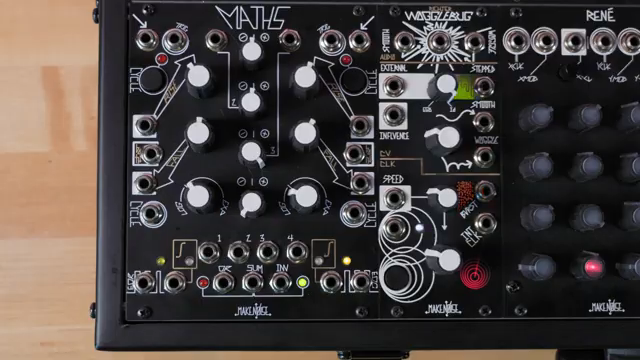
Cycle Modes: The Heart of PoliMATHS
PoliMATHS introduces two distinct cycle modes, each designed to expand its role as a modular utility beyond traditional function generator territory. By pressing and holding the cycle button, users can toggle between these modes, with the lightning bolt LED providing a visual cue for which mode is active. This dual-mode approach is a nod to the flexibility that modular enthusiasts crave, offering both immediate and sequential cycling behaviours in a single module. The video sets the stage by highlighting how these modes can shape both sound design and sequencing workflows, making PoliMATHS a versatile tool for patchers who like to push boundaries.
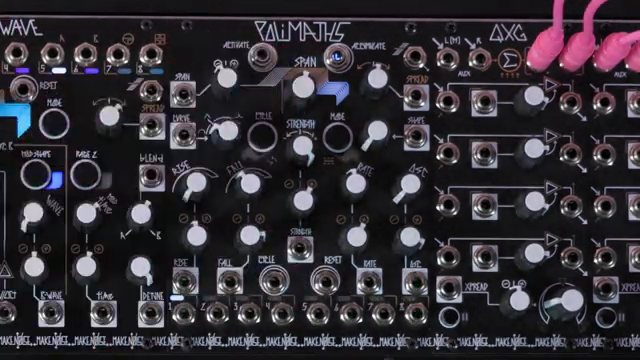
"There are two cycle modes which can be changed by holding the cycle button for one second."
© Screenshot/Quote: Maken0Isemusic (YouTube)
Cycle All: Synchronous Chaos
"This is similar to patching the end of cycle gate from an original maths module to its own trigger input, or like turning on cycle on an original maths channel."
© Screenshot/Quote: Maken0Isemusic (YouTube)
Cycle All mode is signified by a purple lightning bolt, and it’s all about simultaneous activation. When engaged, every channel on PoliMATHS begins cycling at once, with each channel re-triggering itself as soon as its fall stage completes. This behaviour is reminiscent of patching the end-of-cycle gate back into the trigger input on the original Maths, but here it’s elegantly handled internally for all channels.
The real power of Cycle All emerges when you start tweaking individual channel parameters. Thanks to the spread control and per-channel attenuverters, each channel can have its own rise, fall, rate, oscillation, and strength settings. The result? A patch can quickly evolve into a complex polyrhythmic landscape, with each function generator ticking away at its own tempo. This mode is perfect for those who want maximum independence between channels, ideal for layered envelopes, LFOs, or even self-oscillating chaos.
Follow the Leader: Sequential Chain Reaction
Follow the Leader mode, indicated by a pink lightning bolt, brings a whole new level of interactivity to the table. Here, the end of a channel’s fall stage triggers the next channel in sequence, looping from channel 8 back to channel 1. This behaviour mimics the classic trick of patching the end-of-cycle gate from one Maths channel to the next, but now it’s automated and elegantly chained across the entire module.
This mode isn’t just about neat sequencing—it’s about dynamic, evolving chains. The video demonstrates how you can start the chain by activating a channel via the cycle button or the cycle gate input, and even patch in external gates to the activate input for more complex patterns. Multiple chains can run simultaneously, and the behaviour is nuanced: if a channel is reactivated before its fall stage completes, it won’t pass the baton, and if two functions overlap, the activation can be ignored. These subtleties make Follow the Leader a playground for experimental sequencing and generative patching.

"This is like patching the end of cycle gate from an original maths module to the trigger input of the next maths channel."
© Screenshot/Quote: Maken0Isemusic (YouTube)
Creative Workflows: Patch Possibilities Unleashed
The real magic of PoliMATHS lies in combining its two cycle modes with the module’s flexible controls. By mixing and matching rise/fall times, spread, and external gate inputs, users can sculpt everything from tightly synced rhythms to sprawling, unpredictable modulations. The ability to trigger cycling externally or via the panel button adds another layer of performance control, and the nuanced behaviour of each mode rewards deep exploration. In short, PoliMATHS isn’t just a function generator—it’s a modular hub for anyone who wants to inject movement, logic, and a bit of controlled chaos into their rack.
This article is also available in German. Read it here: https://synthmagazin.at/maken0ise-polimaths-zwei-cycle-modi-fuer-modulare-eskapaden/
Watch on YouTube:
Latest articles
Watch on YouTube:
Visit the channel:
https://www.youtube.com/MAKEN0ISEMUSIC
https://www.youtube.com/MAKEN0ISEMUSIC
Links from MAKEN0ISEMUSIC:
website: https://www.makenoisemusic.com
instagram: https://www.instagram.com/makenoisemusic
twitter: https://twitter.com/makenoisemusic
facebook: https://www.facebook.com/makenoiseco
Sponsored links:
If you purchase via these links, we may earn a small commission – at no extra cost to you. The link opens an Amazon keyword search, and results may vary depending on availability.
PoliMATHS
🔗 Check price on Amazon
🔗 Check price on Amazon