Make Noise, the Asheville-based purveyors of modular mischief, hand the spotlight to James Cigler for a deep dive into the MultiMod—a module designed to splinter a single input into eight correlated outputs. In this video, Cigler demonstrates how the MultiMod isn’t just another LFO, but a versatile tool for transforming modulation and audio alike. From subtle filter animation to wild, time-smeared textures, the MultiMod’s creative patching options are explored with Make Noise’s trademark experimental flair. If you’ve ever wondered how to wring maximum movement from minimal sources, this walkthrough is a patcher’s delight.
27. February 2025
MILES
Make Noise MultiMod: Eightfold Modulation Mayhem in the Modular Realm
Make Noise Bruches, Make Noise Mimeophone, Make Noise MultiMod, Make Noise Optomix, Make Noise Pressure Points, Make Noise QPAS, Make Noise Spectraphon, Make Noise X-Pan
Meet the MultiMod: Not Your Average LFO
The video opens with James Cigler introducing the MultiMod, a module he’s clearly been anticipating for years. Positioned as more than just a standard LFO, the MultiMod is described as a device that takes a single input and generates eight correlated but distinct outputs. This concept, long desired by Cigler, is immediately set apart from the typical fare of modular modulation sources.
Rather than simply duplicating an input, the MultiMod offers a palette of subtly varied signals, each with its own phase offset and spread. This approach enables a level of modulation complexity that would otherwise require a small army of LFOs or function generators. The initial demonstration keeps things straightforward, using the MultiMod in LFO mode to animate a basic sawtooth patch, but the promise of more elaborate patching looms large.
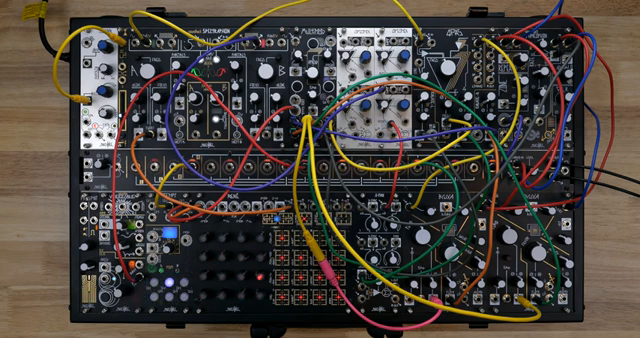
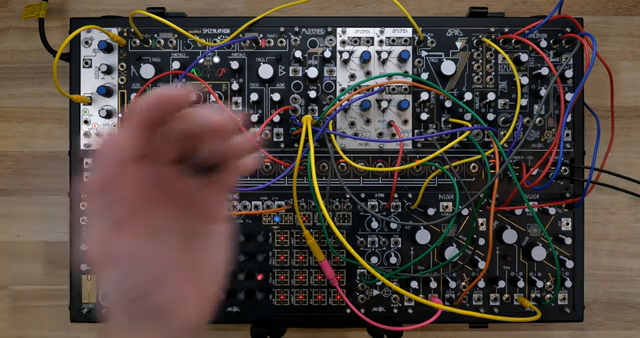
"Something that takes an input and makes eight kind of correlated copies that are slightly different."
© Screenshot/Quote: Maken0Isemusic (YouTube)
Eight Outputs, Infinite Motion
"I really love the amount of animation you can do with cupas, and we're using four I think here, right? Frequency, resonance, and both radiate controls."
© Screenshot/Quote: Maken0Isemusic (YouTube)
Moving beyond the basics, Cigler patches the MultiMod’s outputs to a variety of destinations, demonstrating how a single modulation source can enliven an entire system. Four outputs are routed to modulate the frequency, resonance, and radiate controls of the QPAS filter, while others are sent to the left and right filters of two Bruches modules. This distribution of correlated voltages creates interrelated motion across multiple parameters, resulting in a rich, animated soundscape.
The remaining outputs find their way to the Mimeophone, modulating its mix to introduce evolving ambience and repeats. By adjusting the spread and time controls on the MultiMod, Cigler shows how the balance between filter movement and ambient delay can be shifted, giving the patch a dynamic, evolving character. The key takeaway is that the MultiMod’s eight outputs aren’t just clones—they’re carefully offset variations that can be strategically assigned for maximum sonic interest.
Modulation Deep Dive: Frequency, Resonance, and Time
The heart of the MultiMod’s appeal lies in its modulation options, which Cigler explores in detail. With the module set to process an external input, he demonstrates how a single articulation—such as a pressure point gesture—can be smeared across the system, creating eight delayed, slightly sloppy copies. Each output reads from a buffer in a sine wave shape, introducing wow, flutter, and a pleasingly imperfect character to the modulated signals.
Key parameters like time and spread are manipulated to control the degree of delay and correlation between outputs. The hold function allows the user to capture a moment of modulation and stretch it out, while increasing the time parameter smears the captured gesture further. This section highlights how the MultiMod excels at generating evolving, organic modulation that can be tailored to suit everything from subtle filter tweaks to dramatic, time-warped effects.
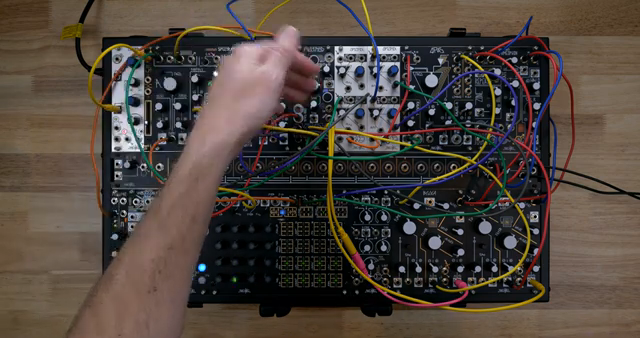
"That is the wow and flutter mode when you're processing an extra input."
© Screenshot/Quote: Maken0Isemusic (YouTube)
From Subtle Shifts to Sonic Chaos: MultiMod in Action
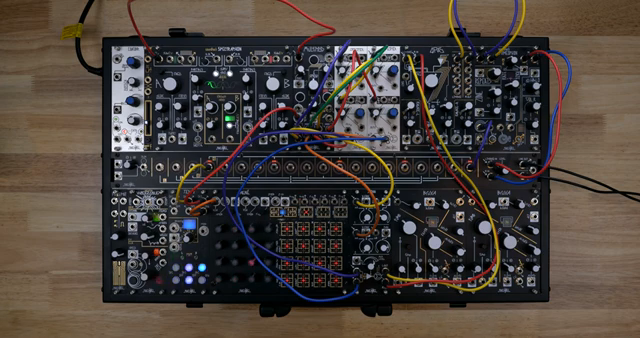
"It's pretty wild and wacky, and it creates some sounds that I've never created in the modular before."
© Screenshot/Quote: Maken0Isemusic (YouTube)
Cigler’s final patch takes the MultiMod into the realm of audio processing, feeding a sine wave from the Spectraphon through the module and mixing all eight outputs. The result is a wild, unpredictable texture that pushes the boundaries of what’s typically expected from a modulation source. By routing the outputs through Optomix and X-Pan, and then into QPAS and Mimeophone, the patch becomes a playground for stereo movement and spectral chaos.
Throughout the demonstration, Cigler underscores the flexibility of the MultiMod—whether used for tempo-synced rhythmic effects or for generating dense, ambient layers from a single input. The module’s ability to create both subtle animation and full-blown mayhem makes it a compelling addition to any Eurorack setup. The video closes with a clocked sequence driving the patch, showcasing the MultiMod’s capacity to transform simple sources into complex, evolving soundscapes.
This article is also available in German. Read it here: https://synthmagazin.at/make-noise-multimod-achtfache-modulationsmagie-im-modularsystem/
Watch on YouTube:
Latest articles
Watch on YouTube:
Visit the channel:
https://www.youtube.com/MAKEN0ISEMUSIC
https://www.youtube.com/MAKEN0ISEMUSIC
Links from MAKEN0ISEMUSIC:
website: https://www.makenoisemusic.com
instagram: https://www.instagram.com/makenoisemusic
twitter: https://twitter.com/makenoisemusic
facebook: https://www.facebook.com/makenoiseco
Sponsored links:
If you purchase via these links, we may earn a small commission – at no extra cost to you. The link opens an Amazon keyword search, and results may vary depending on availability.
Make Noise Bruches
🔗 Check price on Amazon
🔗 Check price on Amazon
Make Noise Mimeophone
🔗 Check price on Amazon
🔗 Check price on Amazon
Make Noise MultiMod
🔗 Check price on Amazon
🔗 Check price on Amazon
Make Noise Optomix
🔗 Check price on Amazon
🔗 Check price on Amazon
Make Noise Pressure Points
🔗 Check price on Amazon
🔗 Check price on Amazon
Make Noise QPAS
🔗 Check price on Amazon
🔗 Check price on Amazon
Make Noise Spectraphon
🔗 Check price on Amazon
🔗 Check price on Amazon
Make Noise X-Pan
🔗 Check price on Amazon
🔗 Check price on Amazon