LOOK MUM NO COMPUTER is back in the bunker, and this time he’s resurrecting a slice of British electronic history: the Compton organ. Forget Hammond clones and polite presets—this is electrostatic wizardry, high voltage, and tone wheels you can’t buy on eBay. In true LMNC style, we get a crash course in rare organ tech, a wild DIY build, and enough chaos to keep any synth nerd glued to the screen. If you think church organs are boring, you’re about to get your bell rung. Dive in for hacks, mishaps, and sounds you won’t hear anywhere else—unless you’ve got 500 volts and a death wish.
22. December 2025
SPARKY
LOOK MUM NO COMPUTER Spins Up Electrostatic Mayhem: Compton Organ Tone Wheels Get a DIY Resurrection
Compton: Not Your Nan’s Organ
The video kicks off with LOOK MUM NO COMPUTER giving us a crash course in Compton organs—a British company that didn’t just churn out pipe monsters for churches, but also dipped their toes into early electronic sound. We’re talking about the kind of gear that makes Hammond look like a kid’s toy. The Compton Electron, their first foray, used two massive discs and a casual 500 volts to spit out waveforms. This wasn’t a standalone synth; it was an add-on to their pipe beasts, and it ran on electrostatics, not the usual electromagnetic trickery.
What’s wild is how Compton sidestepped Hammond’s patents by going full electrostatic. Instead of magnetic pickups and spinning teeth, you get printed waveforms on discs and a design that looks like it belongs in a mad scientist’s lab. LMNC even drops in a demo from the Italian synth museum, where you can literally hear the tone wheel through a guitar amp. If you thought church organs were all about dusty hymns, think again—this is pure rave bunker energy hiding in a wooden case.
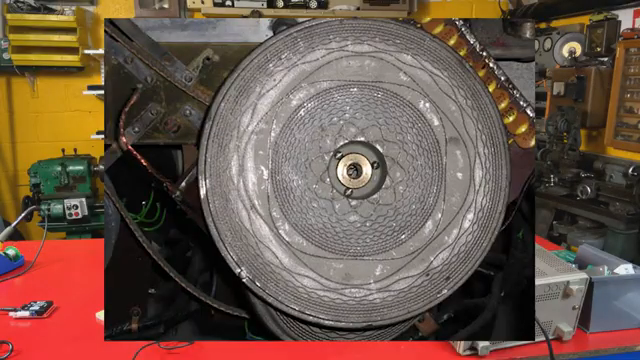
"then it all spins and you plonk 500 volts through the thing and it generates those tones at the other end"
© Screenshot/Quote: Lookmumnocomputer (YouTube)
Tone Wheels and High Voltage: The Secret Sauce
Compton’s organs weren’t just quirky—they were technical marvels. Each note in the octave got its own identical tone wheel, with pitch set by pulley size. To get any sound, you’d juice the wheels with 500 volts DC and pray you didn’t fry yourself, only to get a few millivolts out the other end. The whole thing ran on a belt system, with complex relay switching to select sounds. It’s the sort of setup that would make most modern synth heads sweat, but it’s also why these machines have a cult following.
What’s even madder is that by the 1970s, Compton figured out you could run these monsters on 12V AC instead of 500V DC—just a footnote in their history, but LMNC actually gets it working. This is the kind of deep-dive hackery that makes the channel essential viewing for anyone who likes their electronics with a side of danger.
DIY Tone Wheel Resurrection: Circuit Boards and 3D Prints
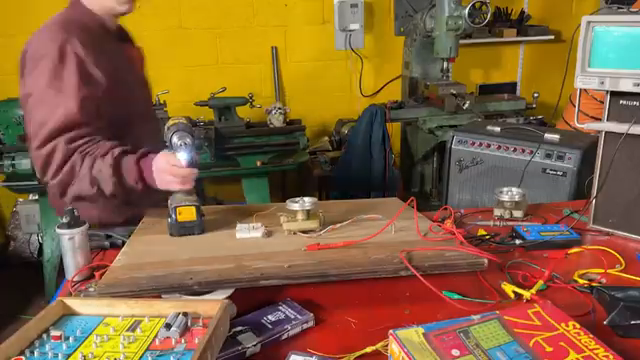
"these tone wheels that i have in my hand are practically impossible to find"
© Screenshot/Quote: Lookmumnocomputer (YouTube)
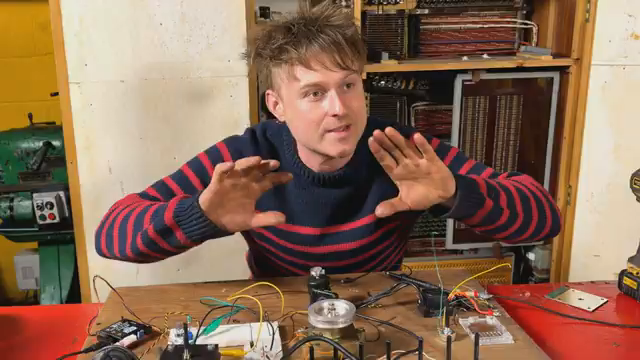
With original Compton tone wheels rarer than a polite YouTube comment, LMNC decides to roll his own. He scans the old wheels, designs circuit board versions, and sets out to build a modern clone. The first step is improving the signal path—ditching the background noise and boosting the output with a new op-amp oscillator circuit. There’s breadboarding, variable resistors, and the kind of circuit hacking that makes you want to grab a soldering iron and join in.
The build gets physical with 3D-printed enclosures, bearings, and a slip disc that’s, frankly, a bit rubbish. But that’s the charm—this isn’t a polished product, it’s a living experiment. LMNC’s method is all about getting it working, even if it means soldering a rotor to a flange and hoping for the best. If you want a step-by-step manual, look elsewhere; if you want to see a tone wheel organ reborn in a cloud of solder smoke, you’re in the right place.
Triumphs, Fails, and the Scratchy Drone of Doom
The project doesn’t exactly go to plan—there’s a last-minute scramble, a few bodged fixes, and a machine that’s more scratchy drone than pristine organ. LMNC owns the chaos, doodling on the box to distract from the rough edges and adding a massive flywheel for extra spin. The result? A hypnotic, noisy contraption destined for Becky Stern as a Secret Santa gift. It’s not perfect, but it’s got character—and it spins for ages, which is more than you can say for most boutique synths.
We also get a glimpse of version two, with wireless pickups and tighter clearances, and the promise of a version three on the horizon. It’s a classic LMNC journey: start with a wild idea, break a few things, and end up with something that’s both functional and gloriously weird. If you want to see the real drama—wobbly builds, late-night hacks, and the moment when things actually work—you’ll have to watch the video. Some chaos just can’t be explained in text.
"the scratchy drone of doom"
© Screenshot/Quote: Lookmumnocomputer (YouTube)
Sound Demos: Organ Tones with a Twist
No LMNC build is complete without a sound test, and this one delivers. The recreated tone wheels spit out classic organ tones, but with a scratchy, unpredictable edge that’s pure DIY. You can spin, scratch, and drone to your heart’s content—just don’t expect cathedral perfection. The real magic is in the quirks, and if you want to hear every wobble and warble, you’ll need to check out the video itself. Trust me, your speakers will thank you.
This article is also available in German. Read it here: https://synthmagazin.at/look-mum-no-computer-laesst-die-elektrostatik-tanzen-compton-orgel-tonraeder-im-diy-revival/
Watch on YouTube:
Latest articles
Watch on YouTube:
Visit the channel:
https://www.youtube.com/LOOKMUMNOCOMPUTER
https://www.youtube.com/LOOKMUMNOCOMPUTER
Links from LOOKMUMNOCOMPUTER:
Help us make the vids here :): https://lookmumnocomputer.com
Instagram: https://instagram.com/lookmumnocomputer
Join The Patreon: https://patreon.com/lookmumnocomputer
Sponsored links:
If you purchase via these links, we may earn a small commission – at no extra cost to you. The link opens an Amazon keyword search, and results may vary depending on availability.
Compton Organ
🔗 Check price on Amazon
🔗 Check price on Amazon
Compton Tone Wheels
🔗 Check price on Amazon
🔗 Check price on Amazon