LNA Does Audio Stuff is back, and this time she’s wrangling cats, glass bowls, and Ableton Live to explain why your mixes sound like a toaster-fight at 0 dBFS. Forget dry textbooks—Liina’s got visual metaphors, real-world DAW moves, and a knack for making even digital clipping seem adorable (until it isn’t). If you want your tracks to breathe, not wheeze, and you’re tired of mixes that collapse like a cheap tent, this is your crash course. Expect practical tips, a few feline cameos, and a healthy dose of British wit. Don’t let the playful vibe fool you—this is serious mix hygiene.
26. February 2026
SPARKY
LNA Does Audio Stuff: Gain Staging, Cats, and Clipping – A Feline Guide to Clean Mixes
Clipping Catastrophe: Why Gain Staging Matters
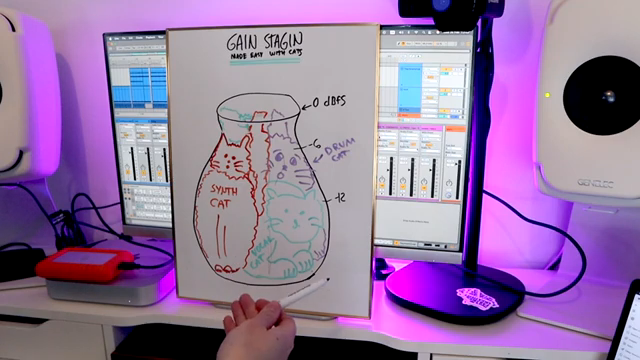
LNA kicks things off with a glass bowl and a parade of cartoon cats, but don’t let the cuteness distract you—this is a warning. The bowl is your master track, and those cats are your audio signals, all jostling for space. When the tails (or peaks) hit the ceiling, you’re not getting a fluffy crescendo—you’re getting digital clipping, and it’s not the good kind. Unlike analog saturation, this stuff is abrupt, ugly, and irreversible if you record it that way.
The point? If your signals are too hot, you lose dynamics and end up with a muddled, lifeless mess. If they’re too quiet, you’ll be boosting noise later. LNA’s message is simple: gain staging isn’t optional if you want clarity and punch. It’s the difference between a mix that breathes and one that gasps for air.
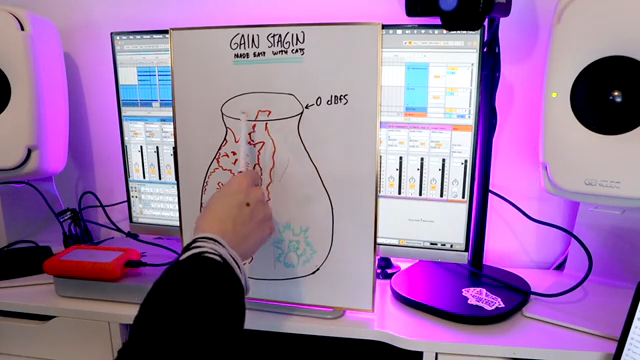
"That causes digital clipping."
© Screenshot/Quote: Lnadoesaudiostuff (YouTube)
dBFS and Headroom: The Ceiling Is Real
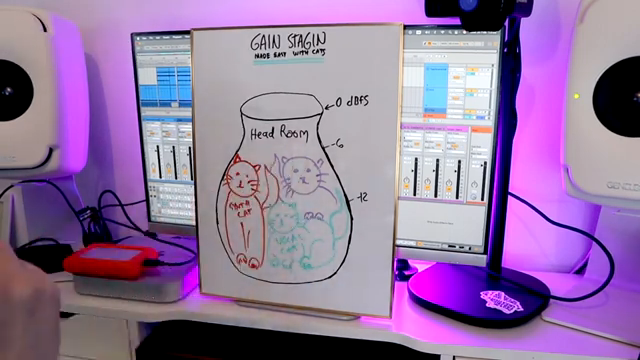
"Headroom is the space that allows dynamics to breathe nicely and healthy way between minus six and zero."
© Screenshot/Quote: Lnadoesaudiostuff (YouTube)
Here’s where we get nerdy. LNA breaks down dBFS—decibels relative to full scale. Zero dBFS is the hard ceiling in digital audio, and there’s no mercy if you hit it. The cats-in-a-bowl metaphor returns, this time showing what healthy headroom looks like: signals chilling comfortably below the ceiling, with space to stretch and breathe.
Headroom isn’t about making your mix quiet; it’s about leaving space for dynamics and mastering. LNA’s sweet spot? Keep your peaks between -6 and -12 dBFS. That way, your mix stays clean, and you’ve got plenty of room to make it loud later without wrecking the vibe.
Ableton Live: Level Up or Level Out
Now for the hands-on stuff. LNA dives into Ableton Live, showing how to keep your tracks healthy from the start. Every sound—synth, vocal, drum—needs its own space, and you’ve got to watch those meters. If you’re burning the signal, you’re burning your mix. She walks through checking levels on individual tracks, aiming for that -6 to -12 dBFS sweet spot, not too hot, not too cold.
Virtual instruments and plugins can sneakily add gain, especially when you stack effects or crank up compressors. LNA’s advice: check the output of every device in your chain. Don’t trust the default settings—read your meters and adjust as you go. If you’re lost in a sea of gain, slap a limiter after the offending device. It’s not a crutch, it’s a safety net, and it’ll save your ears (and your speakers) from digital disaster.
She’s not a fan of limiters on every track, though. Instead, she prefers to set all her faders to zero, then mix by ear, starting with the drums and building up the rest. The result? A dynamic, punchy mix that’s ready for mastering, not a squashed mess.
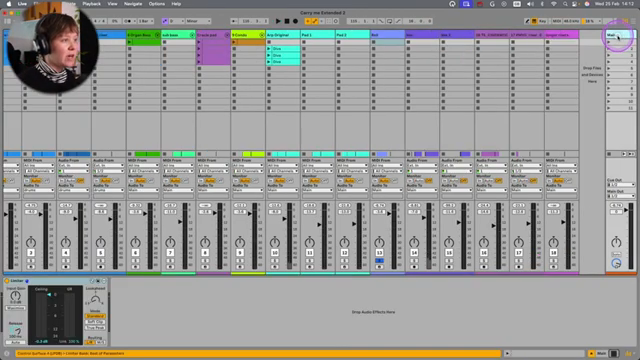
"Every time I start making any kind of music I always put a limiter in the master track and that makes sure that nothing goes over the zero at any point because that also protects my ears."
© Screenshot/Quote: Lnadoesaudiostuff (YouTube)
Cats in Bowls: Visualising the Chaos
Forget boring diagrams—LNA’s cats-in-a-bowl analogy is the star of the show. It’s a simple, memorable way to picture how signals pile up and why headroom matters. If you’re struggling to visualise what’s happening in your DAW, this is the metaphor you didn’t know you needed. Trust me, you’ll never look at your master meter—or your pets—the same way again.
Mixing Mastery: Control Your Dynamics
LNA wraps up with a practical demo, faders flying and levels dialled in. She brings in each track one by one, starting with the kick and building up the mix. The key takeaway? Keep everything sitting comfortably around -6 to -12 dBFS, with the odd peak poking a bit higher or lower. The master channel gets a limiter for safety, but the real magic is in the careful balancing of each element.
If you want to see exactly how she does it—and how those cats behave under pressure—you’ll need to watch the video. The sound, the movement, the subtle tweaks: some things just don’t translate to text. But one thing’s clear: with a bit of gain staging discipline, your mixes will finally have room to breathe, bounce, and slap.
This article is also available in German. Read it here: https://synthmagazin.at/lna-does-audio-stuff-gain-staging-katzen-und-clipping-ein-feliner-leitfaden-fuer-saubere-mixe/
Watch on YouTube:
Latest articles
Watch on YouTube:
Visit the channel:
https://www.youtube.com/LNADoesAudioStuff
https://www.youtube.com/LNADoesAudioStuff
Links from LNADoesAudioStuff:
Instagram: https://instagram.com/lnadoesaudiostuff
Apple Music: https://music.apple.com/gb/artist/lna/1498323070
Webiste (courses): https://lnamusic.com
Faceboook: https://facebook.com/lnadoesaudiostuff
Sponsored links:
If you purchase via these links, we may earn a small commission – at no extra cost to you. The link opens an Amazon keyword search, and results may vary depending on availability.
Ableton Live
🔗 Check price on Amazon
🔗 Check price on Amazon