Intellijel’s Cascadia isn’t just another semi-modular synth—it’s a patch playground with a dedicated effects section that welcomes your favourite pedals and processors into the fold. In this official walkthrough, Intellijel demonstrates how Cascadia’s FX section is purpose-built for seamless pedal integration, complete with proper jacks, level controls, and expression CV. The video takes us through practical patching, balancing wet and dry signals, and even modulating pedal parameters with CV—all with a clear, modular-centric approach. For anyone who’s ever wondered how to bring their pedalboard into the Eurorack world without a tangle of adapters, this is a must-watch.
6. June 2024
MILES
Intellijel Cascadia: Effects Pedal Integration for Modular Minds
EarthQuaker Devices Disaster Transport, Empress Effects Multidrive, Hologram Electronics Microcosm, Intellijel Cascadia, Meris Mercury X, Moogerfooger 104M, Teenage Engineering OP-Z
A Dedicated FX Section: Pedalboard Meets Modular
Cascadia isn’t shy about its love for effects pedals, and Intellijel has given it a dedicated effects section to prove the point. This area is designed specifically for integrating a wide range of effects processors—whether you’re running classic delays, reverbs, or more experimental boxes—directly into the synth’s signal path. The video opens by highlighting how this section is not just an afterthought but a core part of Cascadia’s design, making it easy to patch in whatever effects you have on hand.
The integration is handled via outputs on the back of the unit, allowing for direct connection to pedals or studio effects without the need for awkward adapters or level-matching headaches. The effects section isn’t normalled into the main signal path, so users are free to patch it wherever it makes the most sense in their setup. This flexibility is a nod to modular workflow, giving users the freedom to experiment with routing and placement of their effects.
¼” Jacks and Intuitive Patching: No Adapters Needed
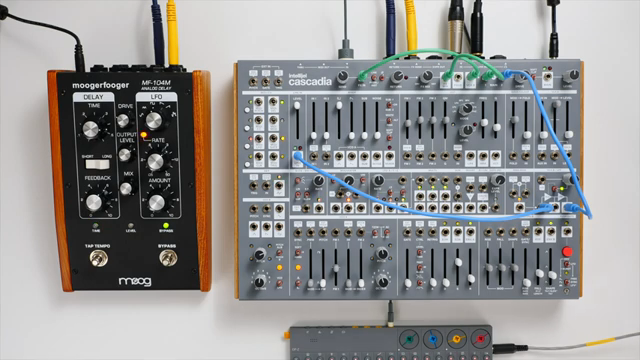
One of Cascadia’s standout features is its inclusion of proper ¼” jack sockets for Send, Return, and Expression control. This means you can patch in pedals and line-level processors just as you would with a traditional pedalboard or studio rack, but with all the modular flexibility you’d expect from Intellijel. The video demonstrates a straightforward patch: taking the VCAA output into the effects input, and routing the effects mix back to the main output, effectively inserting your pedal chain wherever you like.
The process is refreshingly simple—send from Cascadia to your pedal, return the processed signal, and you’re ready to sculpt your sound. The demonstration uses an analogue delay pedal, but the approach is the same for any effect. By keeping the patching intuitive and the connections robust, Cascadia encourages users to explore a wide palette of effects without technical friction.
Balancing Wet and Dry: Creative Control with the FX Mix
Cascadia’s effects section isn’t just about getting signals in and out—it’s about giving users precise control over the blend of dry and effected sound. The FX mix control allows for seamless balancing between the original and processed signals, going all the way to 100% wet if desired. This is especially useful for send-style effects like delays and reverbs, but also opens up parallel processing options for more creative sound design.
The video points out that this flexibility extends to insert-style effects such as distortion or compression, where you might want the full wet signal. With the ability to dial in just the right amount of effect, users can experiment with subtle enhancements or full-on sonic transformation. The phase switch on the return path is a thoughtful touch, ensuring phase coherence when mixing wet and dry signals—a detail that modular purists will appreciate.
"This allows you to get a balance of dry and wet signal from your effects, and it goes all the way up to 100% wet."
© Screenshot/Quote: Intellijel (YouTube)
Expression CV: Modulating Pedal Parameters from Cascadia
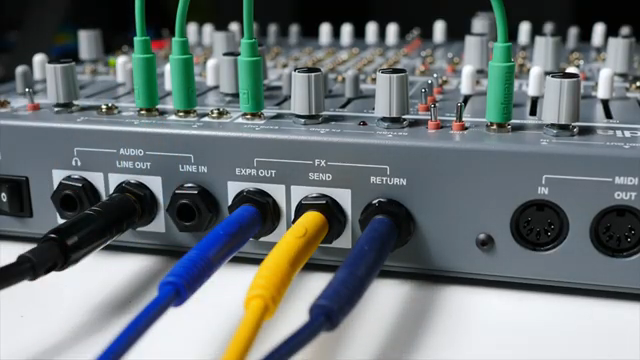
"You can use Cascadia's CV modulation to control parameters on your pedals."
© Screenshot/Quote: Intellijel (YouTube)
A standout feature in Cascadia’s FX section is the dedicated expression output, which lets users modulate pedal parameters using CV from the synth itself. The expression output is normalled to the LFOZ’s unipolar output by default, but any CV source can be patched in for more adventurous modulation. The video demonstrates patching the expression out to a delay pedal’s time parameter, instantly allowing LFO-driven sweeps or manual control from Cascadia’s panel.
The expression level input operates within a 0 to 5 volt range, matching what most pedals expect. This opens up a world of dynamic control—think evolving delays, filter sweeps, or pitch shifts—directly from your modular rig. It’s a feature that bridges the gap between pedalboard and Eurorack, making performance modulation and sound manipulation second nature.
Complex Routing: FX Through Cascadia’s Modules for Sonic Exploration
Cascadia’s semi-modular architecture means the FX section isn’t locked to the end of your signal chain. The video explores how effects can be routed through other modules—like the ring modulator or VCF—for even more complex soundscapes. By patching the effects mix through these sections, users can process their pedal-affected signal further, stacking modulation, filtering, or even feedback into the chain.
The demonstration shows how quickly a patch can evolve: just a few cables and the FX section is rerouted, taking the sound somewhere entirely new. This modular approach to effects integration encourages experimentation, letting users discover unexpected textures and interactions between pedals and synth modules.
Ultimately, Cascadia’s effects section is more than a utility—it’s a creative tool that invites users to push boundaries. Whether you’re after subtle ambience or wild, modulated chaos, the ability to patch effects anywhere in the signal path is a major asset for adventurous sound designers.
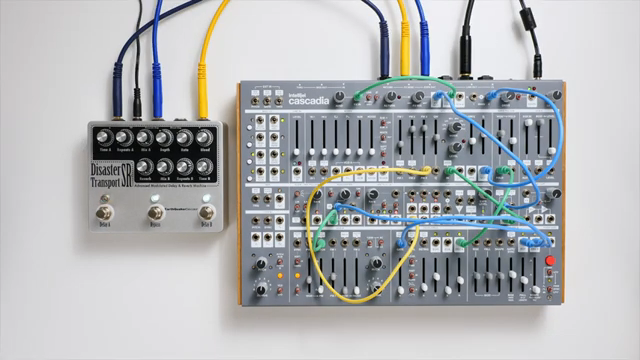
"Now we're somewhere completely different, and all it took was 4 patched cables."
© Screenshot/Quote: Intellijel (YouTube)
This article is also available in German. Read it here: https://synthmagazin.at/intellijel-cascadia-effektpedal-integration-fuer-modular-fans/
Watch on YouTube:
Latest articles
Watch on YouTube:
Visit the channel:
https://www.youtube.com/intellijel
https://www.youtube.com/intellijel
Links from intellijel:
website: https://intellijel.com
forum: https://forum.intellijel.com
instagram: https://instagram.com/intellijel
facebook: https://www.facebook.com/intellijel
Sponsored links:
If you purchase via these links, we may earn a small commission – at no extra cost to you. The link opens an Amazon keyword search, and results may vary depending on availability.
EarthQuaker Devices Disaster Transport
🔗 Check price on Amazon
🔗 Check price on Amazon
Empress Effects Multidrive
🔗 Check price on Amazon
🔗 Check price on Amazon
Hologram Electronics Microcosm
🔗 Check price on Amazon
🔗 Check price on Amazon
Intellijel Cascadia
🔗 Check price on Amazon
🔗 Check price on Amazon
Meris Mercury X
🔗 Check price on Amazon
🔗 Check price on Amazon
Moogerfooger 104M
🔗 Check price on Amazon
🔗 Check price on Amazon
Teenage Engineering OP-Z
🔗 Check price on Amazon
🔗 Check price on Amazon