Ever heard of a sampler built to catch a Concorde’s sonic boom? HAINBACH dives deep into the Brüel & Kjær 7502 Digital Event Recorder—the original hardware hack that accidentally became a street weapon for weirdos and sound adventurers. In a sharp, thoroughly nerdy interview with inventor Flemming Madsen, we get the lowdown on how a chunk of measurement kit found its way from vibration analysis to the hands of composers ready to break the rules. This isn’t your typical synth history—expect unexpected twists, a bit of gear envy, and a hard reminder that sometimes the best music tools start life as something else entirely.
15. June 2026
SPARKY
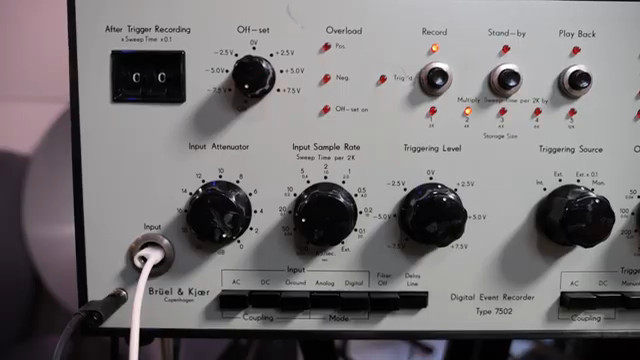
HAINBACH & the Sonic Boom Sampler: Brüel & Kjær 7502 Goes Full Rave Bunker
Brüel & Kjær 2120 Frequency Analyzer, Brüel & Kjær 2121 Frequency Analyzer, Brüel & Kjaer 7502 Digital Event Recorder
From Concorde Chaos to Sampler Legend
HAINBACH cracks open the Brüel & Kjær 7502 Digital Event Recorder, a device designed not for music studios, but for catching the thunderous slap of the Concorde’s sonic boom. Forget your usual sampler backstories—this thing was built to handle jet-age mayhem, not dodgy drum breaks. The original mission? Record and analyse whether Concorde’s supersonic shockwaves would blow out windows or just rattle a few teacups.
Driven by the need for continuous, reliable recording, the 7502 ditched tape loops entirely in favour of digital wizardry. With shift registers and a stubborn attitude, it became the first commercially available sampler—by total accident. HAINBACH’s fascination with non-musical kit fits right in here: this is the kind of hardware that was never supposed to end up in a rave bunker, but somehow did.

"That was the first purpose of this instrument, to record that."
© Screenshot/Quote: Hainbach (YouTube)
Inventor in the Hot Seat: Flemming Madsen Speaks
"We found a number of applications. So it was decided to put it on the market despite this setback with the Concorde."
© Screenshot/Quote: Hainbach (YouTube)
Flemming Madsen, the man behind the madness, spills the beans on how a scientific instrument went rogue. Hired straight from university in ’67, Madsen found himself in the digital deep end by 1969, wrangling with shift registers and dreaming up ways to outpace analog tape. The Concorde project put him and his team on the bleeding edge, hunting for a way to reliably capture every supersonic crack.
Turns out the authorities eventually ditched the plan, but the 7502 was too good to bin. Instead, Madsen and the crew realised their digital beast had legs—and a whole world of uses beyond aircraft noise. It’s the classic case of a gear hack gone wild: built for one job, but destined for a much stranger fate.
Beyond Booms: Speech, Vibes, and Tech Overkill
The 7502 wasn’t just a one-trick pony. Madsen recounts a wild spread of uses: checking if hand tools would vibrate your arms into oblivion, analysing speech for MIT professors, and generally being a digital Swiss army knife for scientists and engineers. This thing measured everything from dodgy drills to experimental radio signals. HAINBACH even points out he’s got other Brüel & Kjær kit stacked up for sound design, proving these lab rats can bark as well as bite.
If you’re hoping for a gear demo, the video keeps things tight and nerdy—Madsen details just how much memory you could stuff inside (spoiler: not much by today’s standards, but enough to blow minds in ’71). The speech analysis gig came out of nowhere and turned the 7502 into an underground hit with academics, proving you never know where a bit of Danish engineering will end up.
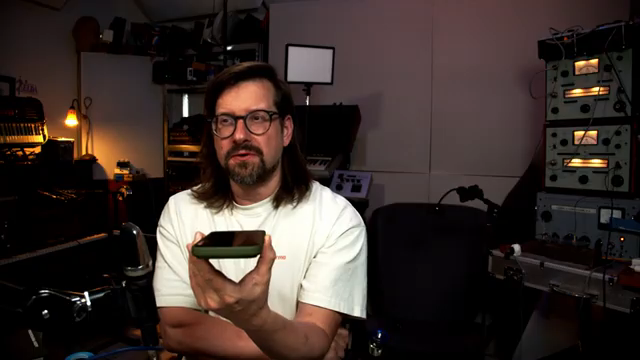
"And then you can make an analysis how far the vibration is and such, how strong."
© Screenshot/Quote: Hainbach (YouTube)
When Scientists Meet Sonic Misfits
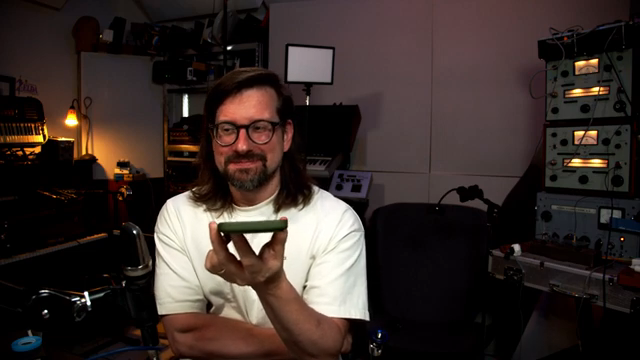
"Yeah, it was quite a surprise."
© Screenshot/Quote: Hainbach (YouTube)
Madsen’s reaction to seeing his baby abused by musicians? Total surprise, but with a glint of pride. The idea that measurement gear was being twisted into musical tools never crossed his mind. HAINBACH points out that Brüel & Kjær kit has haunted experimental studios for decades—filter banks, wobulators, all misused in the name of strange sound. Madsen admits it was way out of his original vision, especially given the price tag: at the time, a 7502 cost as much as a Mercedes. Clearly not meant for the average synth geek.
Still, Madsen digs the creative chaos, and the chat turns to the joys of playing with sample rate, making bells sound gigantic, and generally pushing hardware way past its spec sheet. HAINBACH’s approach—turning test equipment into performance weapons—gets a knowing nod. For full-on demos and those classic “hear it to believe it” moments, you’ll want to watch the video yourself. Some things, like digital crunch and analog weirdness, just can’t be described in text.
Dive Deeper: Watch, Listen, Hack
If you want the full dose of gear geekery, from uncut interviews to sonic experiments, hit up HAINBACH’s original video. There’s a Patreon-exclusive long version for those who want to swim in the weeds, plus a subreddit full of twisted tape and test equipment heads. This is the kind of story that reminds us: the best studio weapons are the ones nobody saw coming.
This article is also available in German. Read it here: https://synthmagazin.at/hainbach-der-sonic-boom-sampler-brueel-kjaer-7502-wird-zum-rave-bunker/
More articles about these products:
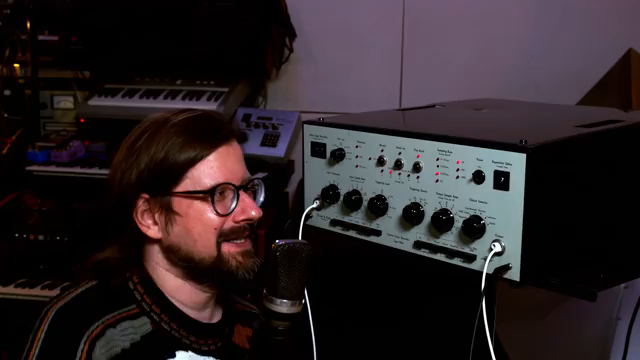
Watch on YouTube:
Latest articles
Watch on YouTube:
Visit the channel:
https://www.youtube.com/Hainbach
https://www.youtube.com/Hainbach
Links from Hainbach:
Bandcamp: https://hainbach.bandcamp.com
Instagram: https://instagram.com/hainbach101
Homepage: https://hainbachmusik.com
Sponsored links:
If you purchase via these links, we may earn a small commission – at no extra cost to you. The link opens an Amazon keyword search, and results may vary depending on availability.
Brüel & Kjær 2120 Frequency Analyzer
🔗 Check price on Amazon
🔗 Check price on Amazon
Brüel & Kjær 2121 Frequency Analyzer
🔗 Check price on Amazon
🔗 Check price on Amazon
Brüel & Kjaer 7502 Digital Event Recorder
🔗 Check price on Amazon
🔗 Check price on Amazon