MAKEN0ISE, the Asheville-based modular mavericks, return with a characteristically philosophical dive into their XPO stereo wavefolder. In this video, they unravel how the XPO transforms simple waveforms into complex sonic textures, all while maintaining a playful sense of modular mischief. Expect a blend of oscilloscope musings, modulation strategies, and the kind of stereo trickery that makes patch cables twitch with anticipation. If you’re curious about how folding, unfolding, and clever CV routing can expand your Eurorack soundscapes, this is a patch-oriented exploration you won’t want to miss.
6. February 2025
MILES
From Flat to Folded: MAKEN0ISE XPO and the Art of Stereo Wavefolding
Stretching Simplicity: The XPO’s Philosophical Fold
The video opens with a meditation on modular synthesis as a journey from simplicity to complexity—a theme that MAKEN0ISE is well known for exploring. The XPO is introduced not just as a technical device, but as a tool for transforming the most basic of waveforms into intricate sonic structures. The act of folding, both literal and metaphorical, is positioned as a central method for achieving this transformation in the modular world.
MAKEN0ISE frames the XPO’s stereo wavefolding as a means to turn a single, simple input into a multidimensional output. By stretching, bending, and ultimately folding a waveform, the module takes the listener from the flatness of a sine wave to the rich terrain of harmonically complex audio. This is more than just a technical process; it’s a creative philosophy that invites users to rethink how complexity can emerge from the simplest gestures.

"To create complexity from simplicity is a long-term goal of modular synthesis."
© Screenshot/Quote: Maken0Isemusic (YouTube)
Layer Upon Layer: The Sonic Alchemy of Folding
"Each fold adds a layer of complexity."
© Screenshot/Quote: Maken0Isemusic (YouTube)
The demonstration dives into the mechanics of folding, showing how each successive fold adds new layers of sonic detail. As the waveform is folded again and again, higher partials emerge, thickening the sound and introducing a sense of evolving complexity. The video likens this to kneading dough—each fold creates more surface area and texture without increasing the overall size of the signal.
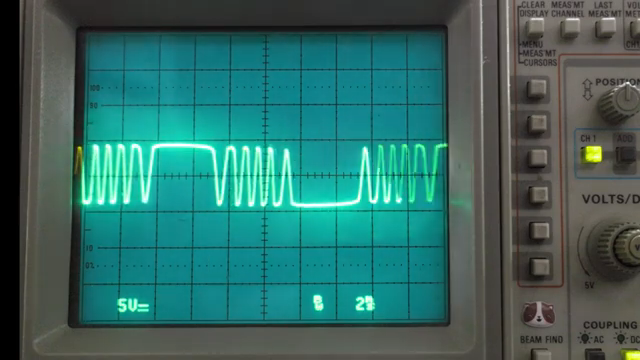
Oscilloscope visuals reinforce the point: what begins as a simple curve becomes a tapestry of smaller shapes at the edges, each corresponding to new harmonics in the audio. The process is described as both folding and unfolding, with each step revealing more detail and nuance. This duality is at the heart of the XPO’s approach, making it a powerful engine for sonic exploration.
Dual Modulation: Stereo Imaging from a Single CV
A key feature highlighted is the XPO’s ability to generate stereo complexity using just one modulation source. MAKEN0ISE explains how the left and right CV inputs are normalled together, allowing both channels to be modulated simultaneously or independently by adjusting panel controls and attenuverters. This design choice means that a single envelope or LFO can be routed to both sides, with each channel responding differently to create a wide, immersive stereo field.
The video demonstrates this by folding two sets of waveforms at once, each emerging from the left and right outputs. By tweaking the modulation amounts, users can achieve subtle or dramatic differences between channels, enriching the stereo image without resorting to gimmicky or unbalanced effects. The same principle applies to other outputs, such as pulse width and variable timbre, showing the XPO’s versatility in stereo sound design.

"Thus, here on XPO, we generate two different sets of folds at once from a single input."
© Screenshot/Quote: Maken0Isemusic (YouTube)
Multiples and Modulation: Routing for Richer Soundscapes

"The more directions you send this multiplicity, the more unwieldy and complex will be the results."
© Screenshot/Quote: Maken0Isemusic (YouTube)
MAKEN0ISE draws a parallel between conducting an ensemble and patching a modular system, highlighting how complexity can be multiplied by routing a single modulation source to multiple destinations. The humble multiple (or “molt”) is celebrated for its ability to duplicate control voltages, allowing a single gesture to influence several parameters across a patch. This approach is shown to exponentially increase the richness and unpredictability of modular soundscapes.
The video also touches on the limitations of multiples: while they create perfect copies, all outputs move in lockstep unless further processed. By introducing modules like Maths to alter the timing or shape of each copy, users can push complexity even further. The takeaway is clear—routing and processing modulation signals is as crucial as the sound sources themselves when building intricate patches.
Clarity Amidst Complexity: Strategies for Creative Modulation
The closing section encourages modularists to reflect on their own strategies for generating complexity from simple inputs. MAKEN0ISE poses the question of how to maintain clarity and coherence when multiplying modulation paths and layering folds. The video suggests that while it’s tempting to chase ever-greater intricacy, it’s equally important to keep the resulting gestures musically related and communicative.
This is a call to balance: to embrace the freedom that modular synthesis offers without losing sight of the original signal or idea. As the video wraps up, viewers are invited to share their own approaches and stay tuned for further explorations. It’s a fitting end for a video that’s as much about creative philosophy as it is about technical prowess.
This article is also available in German. Read it here: https://synthmagazin.at/von-der-linie-zur-faltung-maken0ise-xpo-und-die-kunst-des-stereo-wavefoldings/
Watch on YouTube:
Latest articles
Watch on YouTube:
Visit the channel:
https://www.youtube.com/MAKEN0ISEMUSIC
https://www.youtube.com/MAKEN0ISEMUSIC
Links from MAKEN0ISEMUSIC:
website: https://www.makenoisemusic.com
instagram: https://www.instagram.com/makenoisemusic
twitter: https://twitter.com/makenoisemusic
facebook: https://www.facebook.com/makenoiseco
Sponsored links:
If you purchase via these links, we may earn a small commission – at no extra cost to you. The link opens an Amazon keyword search, and results may vary depending on availability.
MAKEN0ISE XPO
🔗 Check price on Amazon
🔗 Check price on Amazon