In this deep-dive from Frap Tools, composer Francesco Gennari demonstrates the artful collision of tape and modular synthesis, crafting a meditative étude that blurs the lines between analog warmth and modular precision. The video showcases how a humble four-track tape loop can become the rhythmic heart of a Eurorack system, with the Frap Tools Usta sequencer and a host of modules dancing to its pulse. Expect a methodical walkthrough of patching, clock extraction, and creative routing, all delivered with the Italian brand’s signature attention to sonic detail. For those who care about signal flow, modulation strategies, and the tactile joy of patch cables, this is a performance and breakdown worth dissecting.
9. July 2025
MILES
Frap Tools: Tape Loops Meet Modular – Sync, Sequence, and Sonic Alchemy in Studio No.4
Doepfer Lowpass Gate, Doepfer SEM Filter, Empress Zoia, Expressive E Osmose, Fostex X28 Multitracker, Frap Tools 321, Frap Tools Brenso, Frap Tools Falistri, Frap Tools QSC, Frap Tools Sapèl, Frap Tools USTA, Random Source Wave Multiplier
Tape Loops and Modular: A Meditative Union
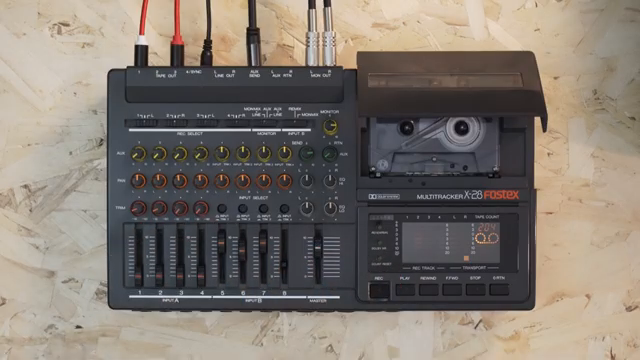
Francesco Gennari opens the session with a performance built around a 30-second four-track tape loop, setting the stage for a contemplative exploration of modular and tape-based synthesis. The tape loop isn’t just a nostalgic nod; it’s the backbone of the piece, providing both musical material and, crucially, the master clock for the modular rig. Each track on the tape serves a distinct role—melodic lines, pads, and harmonic textures—recorded with the Osmos by Expressive E, and layered to create a lush, evolving soundscape.
After the performance, Gennari dissects the setup, revealing how the tape’s analog quirks are harnessed rather than tamed. The integration of tape and modular is more than a technical exercise; it’s a study in how evolving patterns and subtle imperfections can shape musical form. The result is a hybrid workflow where the tactile unpredictability of tape meets the precise control of Eurorack sequencing, inviting the listener into a meditative sonic environment.
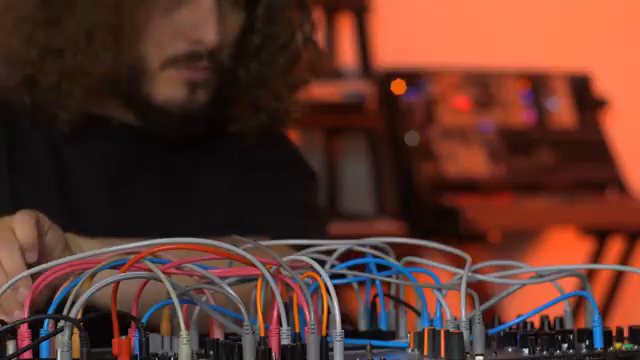
"The track is built on a 30 second tape loop, where I recorded four different tracks, all performed with the Osmos By Expressive E."
© Screenshot/Quote: Fraptools (YouTube)
Clocking the Modular: Tape as Master Pulse
"Track 1 is sent to the input of the hears module, from which I extract a gate used as the clock for Houston."
© Screenshot/Quote: Fraptools (YouTube)
The heartbeat of this patch is the clever use of the tape multitracker as the master clock source. By extracting a gate from the most stable track on the tape, Gennari feeds a reliable pulse into the modular system via the Hears module. This approach embraces the inherent instability of tape, but mitigates its unpredictability by carefully setting input levels to ignore spurious peaks at loop points, ensuring only genuine note events trigger the clock.
Once the gate is extracted, the Usta sequencer becomes the nerve centre, distributing clock signals to the rest of the system. The tape’s timing, with all its subtle drift and character, ripples through the modular, affecting everything from random generators to external effects. It’s a workflow that turns the supposed limitations of tape into musical opportunities, letting the entire patch breathe with the organic movement of the loop.
Oscillators, Envelopes, and Sonic Processing: The Core Modules
At the heart of the modular setup are some of Frap Tools’ flagship modules. The Brenso complex oscillator provides the main melodic voice, shaped by the Falistri function generator acting as an envelope, and routed through the QSC mixer’s VCA. Gennari demonstrates how the Brenso’s output is blended with white noise from Sapèl using the 321 utility, and how manual timbre control takes precedence over automated modulation for a more performative touch. The second voice employs Falistri running at audio rate for bass duties, filtered through a Doepfer SEM filter and subtly modulated by fluctuating random voltages from Sapèl, adding spectral movement without overwhelming the low end.
The third modular voice enters later, using Brenso’s sine output through a Doepfer lowpass gate, with gate randomness introduced via Usta’s variation controls. Here, a slew limiter smooths the gates, and additional modulation comes from Sapèl’s sample and hold, resulting in a voice that can hide or reveal notes unpredictably. This approach highlights the flexibility of the Frap Tools ecosystem, where function generators, random sources, and utilities interact to create nuanced, evolving textures.
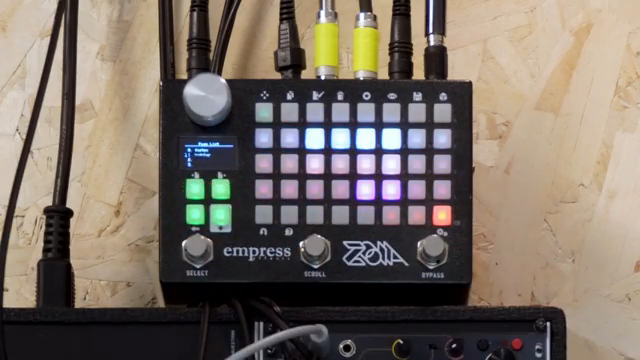
Processing isn’t limited to internal patching. One tape track is routed through the 321 for gain staging, then into a Random Source wave multiplier for aggressive wave shaping, with modulation from Sapèl and a feedback loop for added grit. Effects duties are handled by the Empress Zoia, patched for dual independent chains: one for the tape, one for the modular, each with reverb and delay, both clocked by Usta. This modular-meets-pedalboard setup exemplifies the hybrid ethos of the patch.
"Ustah controls three different voices."
© Screenshot/Quote: Fraptools (YouTube)
Layered Voices and Modulation Strategies
Gennari’s patching approach is all about layering and interaction. Each modular voice is assigned a distinct role and timbral identity, with careful attention to register and spectral placement. The first voice, handled by Brenso and Falistri, is kept dynamic through manual timbre tweaks, while the second voice’s bass frequencies are pushed lower to avoid clashing with tape-based pads. The third voice, with its randomised gating and lowpass gate, adds a touch of unpredictability and movement, entering only in the final section to thicken the texture.
Modulation is deployed with intent rather than excess. Random voltages from Sapèl are used sparingly to animate filters and wave shapers, while the flip-flop in Falistri divides clocks for more complex rhythmic interplay. The result is a patch that feels alive but never chaotic, with each modulation source serving a clear musical purpose.
Collaborative Workflows: Modular as Ecosystem
The video closes by emphasising the collaborative nature of the setup—not just between modules, but between tape, modular, and effects. Gennari’s workflow is holistic, treating the modular system, tape multitracker, and pedals as equal partners in the composition. This interconnectedness allows for a performance that is both structured and responsive, with each element influencing the others in real time.
Frap Tools’ presentation style, as always, is methodical and detail-oriented, inviting viewers to consider not just what each module does, but how they interact as a system. The result is a compelling argument for modular as a living ecosystem, where sound design and performance are inseparable, and where even a humble tape loop can become the master architect of a complex sonic world.
This article is also available in German. Read it here: https://synthmagazin.at/frap-tools-tape-loops-treffen-modular-sync-sequenz-und-klangalchemie-in-studio-no-4/
Watch on YouTube:
Latest articles
Watch on YouTube:
Visit the channel:
https://www.youtube.com/FrapTools
https://www.youtube.com/FrapTools
Links from FrapTools:
website: https://frap.tools
instagram: https://instagram.com/fraptools
facebook: https://www.facebook.com/fraptools
twitter: https://twitter.com/fraptools
soundcloud: https://soundcloud.com/fraptools
Sponsored links:
If you purchase via these links, we may earn a small commission – at no extra cost to you. The link opens an Amazon keyword search, and results may vary depending on availability.
Doepfer Lowpass Gate
🔗 Check price on Amazon
🔗 Check price on Amazon
Doepfer SEM Filter
🔗 Check price on Amazon
🔗 Check price on Amazon
Empress Zoia
🔗 Check price on Amazon
🔗 Check price on Amazon
Expressive E Osmose
🔗 Check price on Amazon
🔗 Check price on Amazon
Fostex X28 Multitracker
🔗 Check price on Amazon
🔗 Check price on Amazon
Frap Tools 321
🔗 Check price on Amazon
🔗 Check price on Amazon
Frap Tools Brenso
🔗 Check price on Amazon
🔗 Check price on Amazon
Frap Tools Falistri
🔗 Check price on Amazon
🔗 Check price on Amazon
Frap Tools QSC
🔗 Check price on Amazon
🔗 Check price on Amazon
Frap Tools Sapèl
🔗 Check price on Amazon
🔗 Check price on Amazon
Frap Tools USTA
🔗 Check price on Amazon
🔗 Check price on Amazon
Random Source Wave Multiplier
🔗 Check price on Amazon
🔗 Check price on Amazon