Frap Tools, the Italian modular artisans, step outside the rack with the Dynamics 2806—a compressor designed to wrangle bass lines with surgical finesse. In this studio walkthrough, the team demonstrates how the 2806 adapts to both fingerstyle and picked bass, showing off its nuanced controls and tonal shaping abilities. From fast attack times to parallel compression and sidechain contouring, the video is a deep dive into how this unit can sculpt, saturate, and tame low-end energy. For those who obsess over dynamics and crave hands-on control, this is a revealing look at what the 2806 brings to the table.
17. July 2024
MILES
Frap Tools Dynamics 2806: Compressing Bass with Italian Precision
First Impressions: The 2806 in the Studio
The video opens with Frap Tools introducing their Dynamics 2806, a compressor that’s clearly designed with versatility in mind. The session begins by recording an electric bass, with Federico alternating between fingerstyle and pick techniques to showcase how the 2806 responds to different playing styles. The initial bass signal is run through the unit in bypass mode, giving listeners a reference point for the unprocessed sound.
This approach sets the stage for a focused exploration of compression as a creative and corrective tool. Frap Tools’ presentation style is, as usual, methodical and detail-oriented, aiming to show not just what the unit does, but how it interacts with real musical material. The choice to use both fingerstyle and picked bass highlights the importance of tailoring compression to the nuances of performance.
Dialling In: Compression for Fingerstyle and Picked Bass
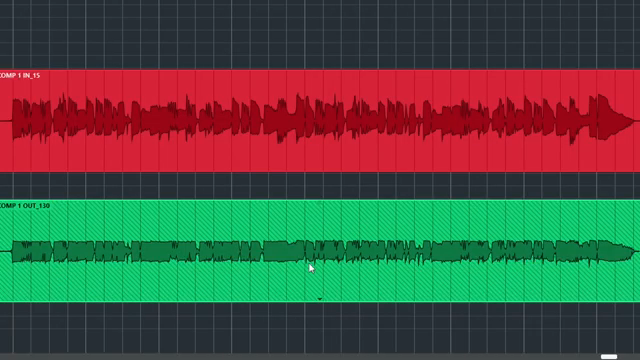
Once the bass is recorded, the video moves into hands-on tweaking. For the fingerstyle performance, the 2806 is set with a 5:1 ratio, compressing around 6 to 10 dB, with a slow attack and fast release. This setup allows the initial transient of each note to shine through, increasing clarity while keeping the overall dynamics under control. The waveform comparison between the DI and compressed signal makes it clear how much the 2806 can rein in peaks without flattening the musicality.
When the focus shifts to picked bass, the approach becomes more aggressive. The picked performance is inherently more dynamic, so the compressor is set up with a higher ratio and faster attack to tame the sharper transients. The video demonstrates how tweaking these settings can add body and even a touch of saturation, depending on the desired result. This hands-on demonstration underscores the importance of adapting compression strategies to the playing style, rather than relying on a one-size-fits-all approach.
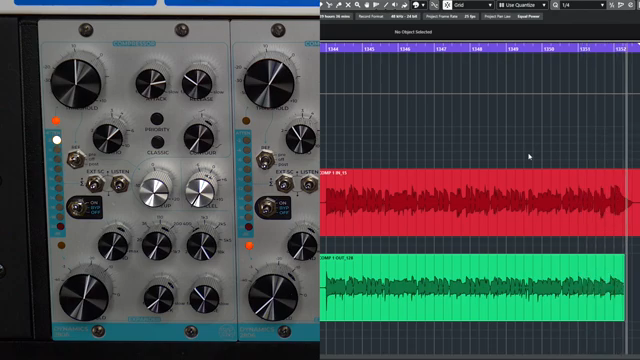
"For this sound I used a 5 to 1 ratio, it's compressing about 6 to 10 dB and I'm using a fairly slow attack and fast release."
© Screenshot/Quote: Fraptools (YouTube)
Attack, Classic Mode, and Parallel Compression: Shaping the Sound
"Some saturation has been brought up as well which can be cool if you want to add some character to your track."
© Screenshot/Quote: Fraptools (YouTube)
A key feature of the 2806 is its flexible attack time. The video shows how a fast attack can introduce saturation, especially when classic mode is disengaged, resulting in a more compressed, harmonically rich sound. Engaging classic mode slows the time constants, reducing saturation and letting more transients through—ideal for those who want a cleaner, more open bass tone.
Parallel compression is also brought into play, allowing the user to blend the dry and compressed signals. This technique helps retain the original transients and dynamic range, even when the main compression is quite heavy. The demonstration makes it clear that the 2806 isn’t just about squashing dynamics; it’s about sculpting the envelope and harmonic content to taste. The interplay between attack time, classic mode, and parallel compression offers a toolkit for both subtle control and creative coloration.
Creative Compression Workflows: Enhancing Bass Character
Throughout the walkthrough, Frap Tools suggest a variety of workflows for recording and mixing bass. By experimenting with different attack and release times, as well as parallel and classic modes, the 2806 can be tailored to enhance both the dynamic range and tonal character of the instrument. The video illustrates how aggressive compression can add weight and saturation, while more conservative settings preserve the natural feel of the performance.
The team also discusses how the unit’s controls allow for nuanced adjustments, making it possible to either tightly control transients or let them breathe for a more lively sound. This flexibility is particularly valuable in a studio context, where bass needs to sit just right in the mix. The 2806 is presented not just as a utilitarian compressor, but as a creative tool for shaping the personality of a bass line.
Sidechain Sculpting: The Contour Knob in Action
The final segment spotlights the Contour knob, which filters the sidechain signal to control how the compressor responds to different frequencies. By rolling off low end from the sidechain, the 2806 becomes less reactive to bass-heavy content, allowing more dynamics to pass through. This is particularly useful for bass instruments, where over-compression of low frequencies can rob the sound of its natural punch.
This feature adds another layer of control, letting users fine-tune the compressor’s behaviour without needing an external sidechain input. It’s a practical demonstration of how thoughtful design can translate into real-world flexibility, especially for those who want to keep their low end both powerful and articulate.
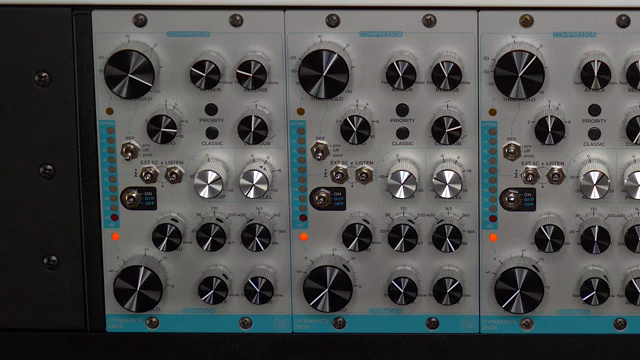
"If we remove some of the low frequencies from the sidechain signal which is the audio input itself then the compression is going to be less heavy because we are actually removing most of the signal which is triggering the compressor itself."
© Screenshot/Quote: Fraptools (YouTube)
This article is also available in German. Read it here: https://synthmagazin.at/frap-tools-dynamics-2806-bass-kompression-mit-italienischer-praezision/
Watch on YouTube:
Latest articles
Watch on YouTube:
Visit the channel:
https://www.youtube.com/FrapTools
https://www.youtube.com/FrapTools
Links from FrapTools:
website: https://frap.tools
instagram: https://instagram.com/fraptools
facebook: https://www.facebook.com/fraptools
twitter: https://twitter.com/fraptools
soundcloud: https://soundcloud.com/fraptools
Sponsored links:
If you purchase via these links, we may earn a small commission – at no extra cost to you. The link opens an Amazon keyword search, and results may vary depending on availability.
Frap Audio Dynamics 2806
🔗 Check price on Amazon
🔗 Check price on Amazon